
Best Practices in Sheet Metal Flatenning for Precision Manufacturing
Best Practices in Sheet Metal Flatenning for Precision Manufacturing
Optimizing flatness and releasing internal stress to ensure flawless downstream fabrication and industrial excellence.
Introduction: The Challenge of Material Distortion
In the modern metalworking industry, precision is not just a requirement; it is the foundation of competitive advantage. Manufacturers often face the frustrating reality of material deformation, where coils or cut-to-length sheets exhibit coil set, crossbow, or localized oil canning. These defects are not merely aesthetic; they compromise the accuracy of laser cutting, bending, and automated assembly processes.
How can you reduce production downtime and increase throughput when your raw materials are inconsistent? The answer lies in professional Sheet Metal Flatenning. This comprehensive guide will explore how advanced leveling technology addresses these challenges, transforming uneven stock into perfectly flat, stress-free workpieces.
In this article, you will learn:
The fundamental physics of roller leveling and internal stress release.
Understanding the Foundations of Sheet Metal Flatenning
At its core, Sheet Metal Flatenning is a process of bending the material back and forth over a series of rollers. Each subsequent roller has a smaller displacement, which subjects the metal to alternating plastic-elastic bending. This process is essential for neutralizing the "Bauschinger effect" and equalizing the internal stresses within the grain structure of the metal.
Why Internal Stress Matters
Even if a sheet appears flat to the naked eye, it may contain hidden internal stresses. When these sheets are subjected to heat (such as laser or plasma cutting), the stress is released, causing the part to warp or pop up, potentially damaging the cutting head or resulting in scrapped parts. Precision internal stress release is the only way to ensure dimensional stability.
The Professional Guide to High-Precision Leveling
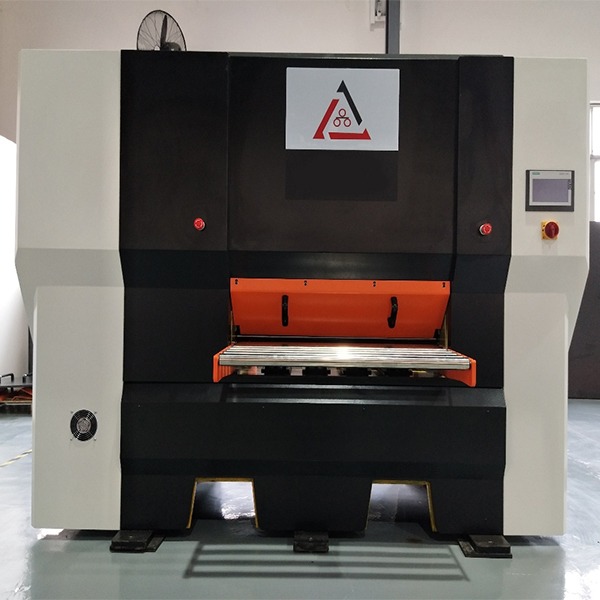
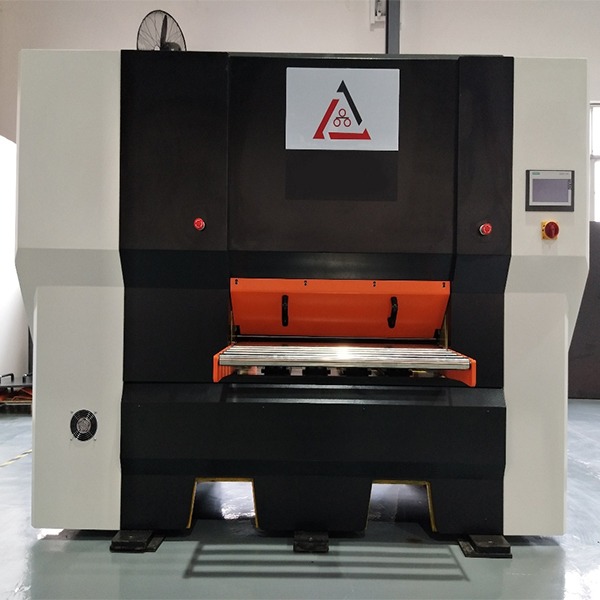
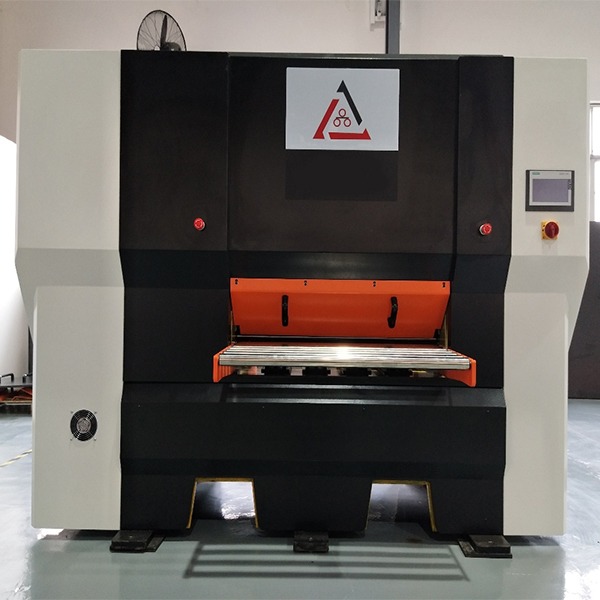
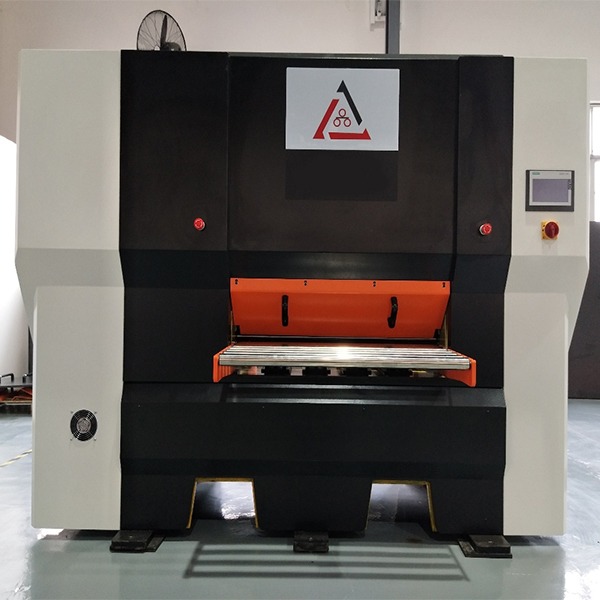
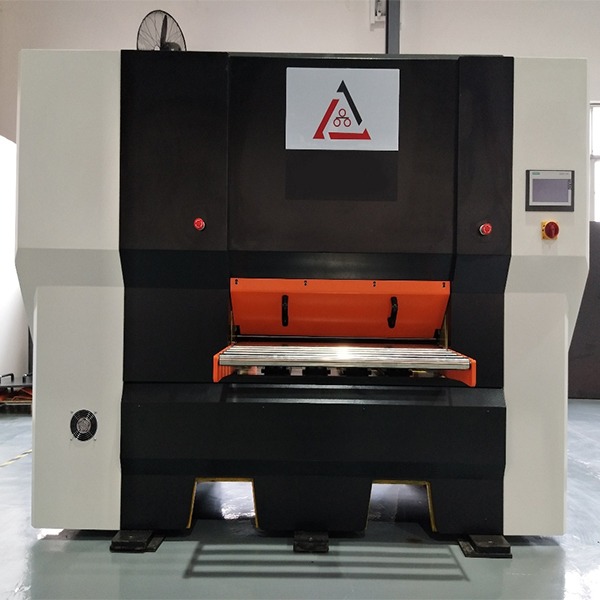
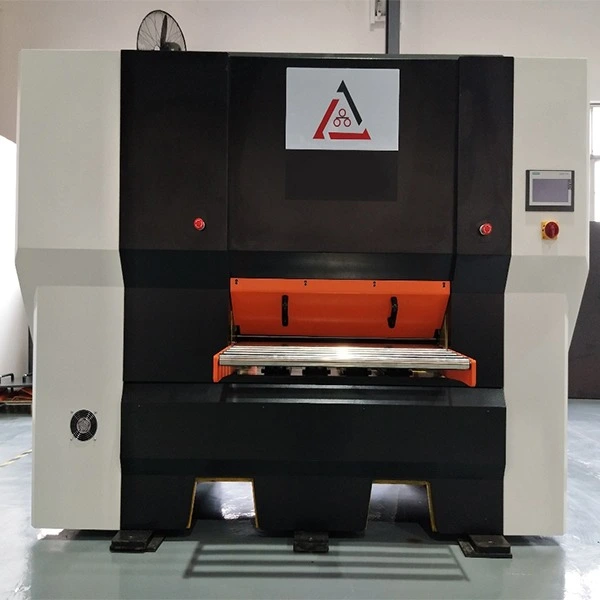
Selecting the right equipment is critical. At XINLIJIN, we have spent decades perfecting the mechanics of precision leveler machines. Depending on the material thickness and yield strength, different roller configurations are required to achieve optimal results in Sheet Metal Flatenning.
Step-by-Step Optimization Process
Step 1: Material Analysis - Identify the thickness and yield strength. XINLIJIN offers specialized series such as the 20 Series for ultra-thin materials and the 120 Series for heavy plates.
Step 2: Roller Entry Adjustment - The entry rollers must be set to provide enough plastic deformation to "break" the existing memory of the material.
Step 3: Gradually Reducing Exit Tension - The exit rollers should be adjusted to allow the material to spring back into a perfectly neutral, flat state.
Comparing 4-High and 6-High Structures
In the world of Sheet Metal Flatenning, the machine structure dictates the surface quality. A 4-high leveler is excellent for general purposes, while a 6-high leveling machine uses intermediate rollers to prevent "striping" or marking on sensitive surfaces like polished stainless steel or aluminum.
Why XINLIJIN is Your Trusted Partner
Based on our experience serving hundreds of global clients in industries ranging from aerospace to automotive, XINLIJIN understands that reliability is paramount. Our Sheet Metal Flatenning solutions are engineered for durability and extreme precision.
Proven Expertise
Over 10 years of focus on leveling technology, ensuring each machine meets international quality standards.
Customized Solutions
From the 50 Series to high-precision CNC models, we tailor equipment to your specific material types.
Global Support
We provide comprehensive technical consultation and rapid response times for all our global partners.
Frequently Asked Questions (FAQ)
Q1: Can XINLIJIN machines handle high-strength steel?
Yes. Our heavy-duty series are designed specifically for high-yield materials, ensuring consistent Sheet Metal Flatenning even for difficult alloys.
Q2: How do I know which roller series I need?
Selection depends on your material thickness range. For example, our 80 Series is ideal for 2.0mm to 8.0mm thickness. We provide free material testing to confirm the best fit.
Q3: What is the lead time for a custom leveling machine?
Standard models are often in stock, while customized CNC solutions typically have a lead time of 45-60 days depending on complexity.
Q4: Do you provide on-site installation and training?
Absolutely. We offer complete technical support, including installation guidance and operator training to ensure your team can maximize productivity.
Ready to Achieve Perfect Flatness?
Contact XINLIJIN today for a free technical consultation and a customized Sheet Metal Flatenning proposal.
Copyright © 2026 XINLIJIN Precision Machinery Co., Ltd. All Rights Reserved.
Providing Professional Sheet Metal Flatenning Solutions Globally.
Recent News