
Precision Engineering: How a Roller Leveler Optimizes Sheet Metal Flatness
Precision Engineering: How a Roller Leveler Optimizes Sheet Metal Flatness
In the modern manufacturing landscape, the demand for high-precision components has never been higher. XINLIJIN provides industry-leading technology to eliminate material defects and internal stress.
Overcoming Material Instability in Modern Fabrication
For many manufacturers, the journey from raw metal sheet to a finished high-precision part is fraught with challenges. Issues such as coil set, crossbow, and localized distortions are not just aesthetic flaws; they are symptoms of deep-seated internal stresses within the material. These stresses, if left unaddressed, lead to unpredictable springback during laser cutting, stamping, or welding, resulting in high scrap rates and costly production delays.
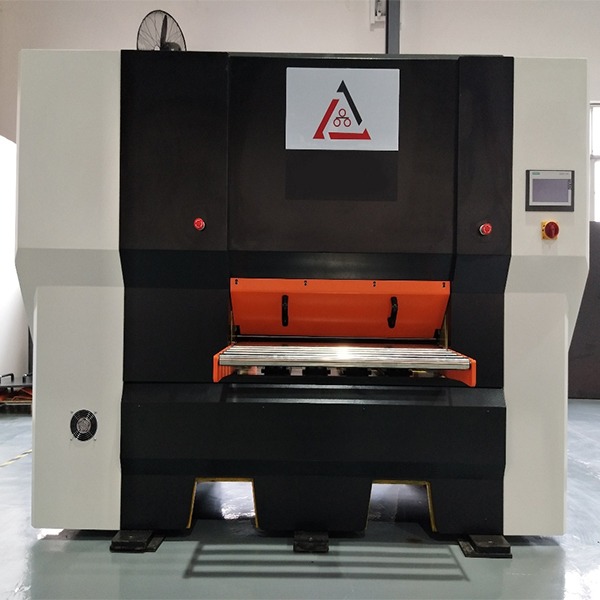
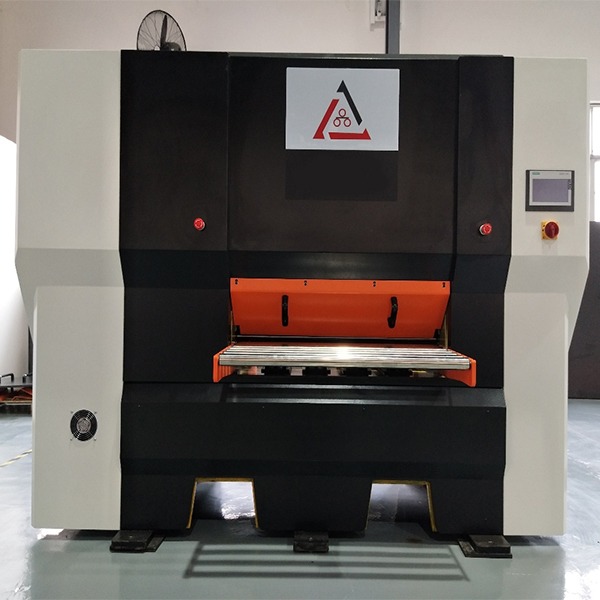
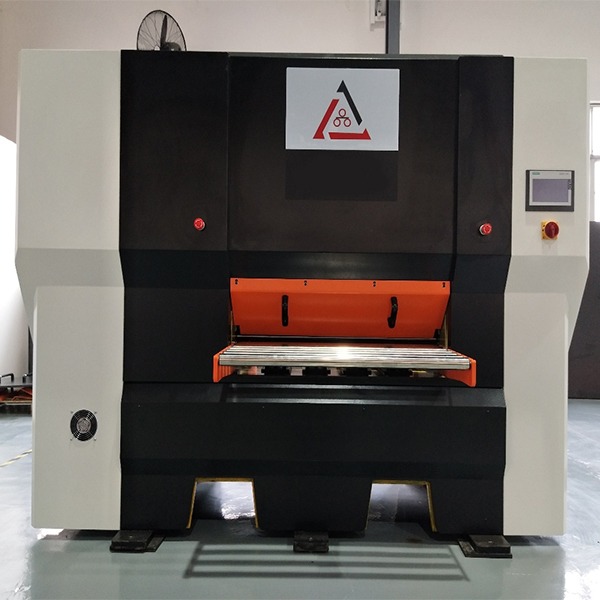
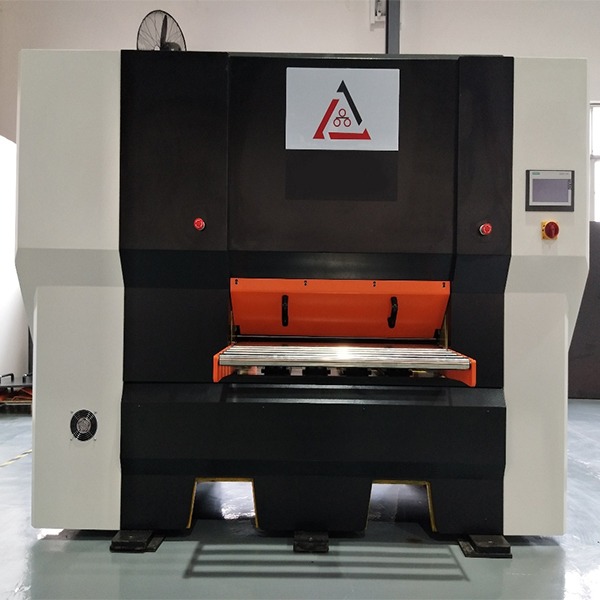
How can a production line maintain consistent quality when the incoming material is inherently unstable? The answer lies in the implementation of a professional Roller Leveler. At XINLIJIN, we understand that achieving perfect flatness is both a science and an art. Our solutions are designed to transform "unworkable" metal into precision-grade stock, ensuring that your automated processes run without interruption.
In this comprehensive guide, we will explore the mechanics of sheet metal flattening, the critical role of the Bauschinger effect, and how our advanced machinery can increase your productivity by up to 30%.
Understanding the Roller Leveler Mechanism
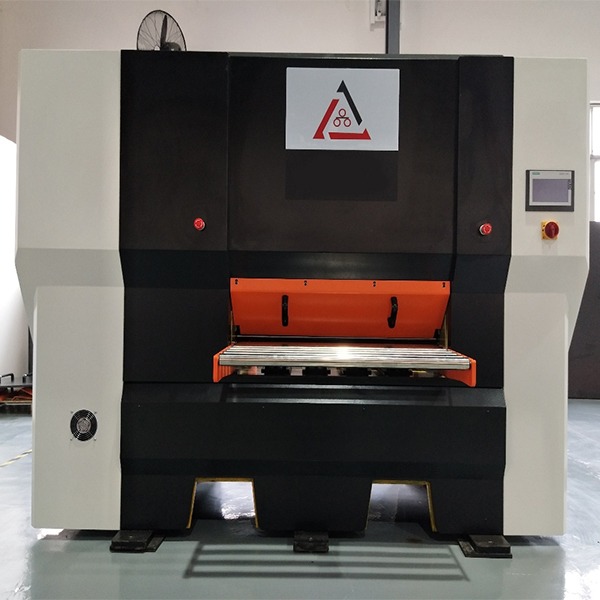
A Roller Leveler works by subjecting the metal sheet to a series of alternating bends. As the material passes through the machine, it is guided between two rows of leveling rollers. The entry rollers apply the maximum pressure, stretching the material beyond its yield point to "reset" its internal memory.
By utilizing a precision-calculated roll gap, the machine gradually reduces the bending intensity as the material moves toward the exit. This process effectively neutralizes internal stresses, leaving the sheet both flat and stable. For those in the sheet metal processing industry, this step is non-negotiable for high-end manufacturing.
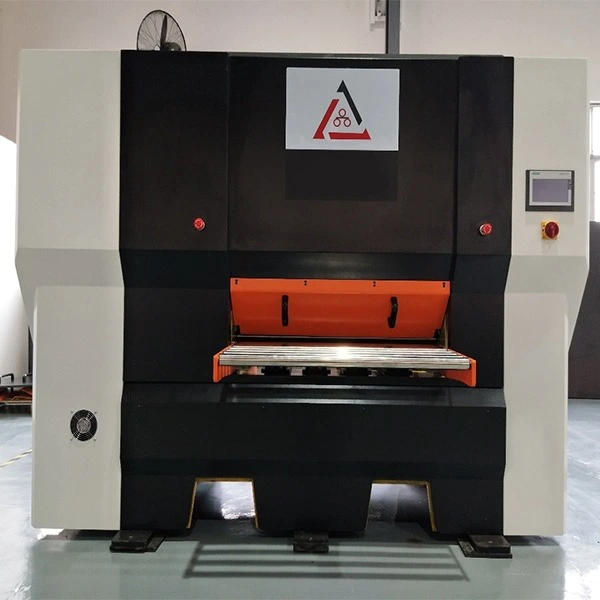
Deep Dive: XINLIJIN Precision Series
XINLIJIN offers a diverse range of leveling solutions tailored to specific material thicknesses and industrial applications. Our products portfolio covers everything from ultra-thin foils to heavy-duty plates.
Heavy-Duty Capacity
The 120 Series is built for the toughest jobs, leveling plates up to 15.0mm with ease, ensuring structural integrity in construction applications.
The Science of Stress Relief
A critical factor in the success of a Roller Leveler is the management of the Bauschinger effect. This mechanical phenomenon describes how the yield strength of a material changes when the direction of deformation is reversed.
By expertly controlling the alternating bending cycles, XINLIJIN machines ensure that the internal stresses are not just moved around, but are fundamentally released. This is what differentiates a standard sheet metal flattening machine from a high-precision CNC leveling system. Without this deep stress relief, the material would likely warp again once it is subjected to the heat of laser cutting or welding.
Internal Stress Release
Flatness Control
Enhanced Surface Quality
Improved Downstream Processing
The XINLIJIN Advantage: Why We Are Your Trusted Partner
Based on our experience serving hundreds of global clients, we have refined our manufacturing process to ensure that every Roller Leveler we produce meets the highest international standards. We don't just sell machines; we provide comprehensive leveling solutions.
- Proven Expertise: With over a decade of specialization in precision leveling technology, our engineers can customize equipment to your specific material needs.
- Advanced R&D: We continuously innovate our 4-high and 6-high roller structures to minimize roll deflection and maximize flatness.
- Quality Assurance: Every machine undergoes rigorous testing with real material samples before shipment. We invite customers to our facility to witness the performance of our levelers firsthand.
Frequently Asked Questions
1. What is the difference between a 4-high and a 6-high Roller Leveler?
A 4-high structure uses work rolls and back-up rolls. A 6-high structure adds intermediate rolls to prevent marking and further improve roll support, making it ideal for high-surface-quality requirements.
2. How long does the leveling process take?
Modern CNC levelers can process material at speeds ranging from 10 to 30 meters per minute, depending on the thickness and material type, significantly boosting your production efficiency.
3. Can XINLIJIN machines be integrated into existing lines?
Yes, our equipment is designed for seamless integration with decoilers and feeders to create a fully automated 3-in-1 production system.
Ready to Achieve Perfect Flatness?
Contact our technical experts today for a free consultation and material test report.
© 2026 XINLIJIN Precision Leveling Machinery Co., Ltd. All Rights Reserved.
Recent News