Optimizing Sheet Metal Flatness: The Role of the Bauschinger Effect in Precision Leveling
2026-05-13 12:00:00
Optimizing Sheet Metal Flatness: The Role of the Bauschinger Effect in Precision Leveling
How XINLIJIN leverages advanced metallurgical principles to eliminate internal stress and achieve perfect material stability.
Overcoming Material Deformity in Modern Manufacturing
In the high-precision world of metal fabrication, engineers often face a frustrating reality: a sheet of metal that appears flat can suddenly warp, twist, or "spring back" during laser cutting or welding. These hidden instabilities are caused by residual internal stresses trapped within the material during its primary production. If your production line is struggling with inconsistent quality, high scrap rates, or secondary processing delays, you are likely battling the unseen forces of physics.
At XINLIJIN, we understand that achieving true flatness is not just about applying pressure; it is about understanding the science of metallurgy. Specifically, the Bauschinger Effect plays a pivotal role in how materials respond to the straightening process. This guide will explore how mastering this effect through our advanced roller leveler machine technology can transform your manufacturing efficiency and product quality.
Defining the Bauschinger Effect
The Bauschinger Effect is a phenomenon observed in metals where the yield strength of the material decreases when the direction of plastic deformation is reversed. In simpler terms, if you stretch a piece of metal in one direction (tension) until it deforms permanently, it becomes "weaker" and easier to deform when you immediately try to compress it in the opposite direction.
From a microscopic perspective, this occurs because of the movement of dislocations within the metal's crystalline structure. When the material is first deformed, dislocations pile up at grain boundaries, creating a "back stress." When the load is reversed, this back stress actually helps move the dislocations in the opposite direction, requiring less external force to cause further deformation. For any professional seeking a Bauschinger Effect exporter or specialist, understanding this interaction is vital for selecting the right equipment.
The Science of Leveling: Using the Bauschinger Effect to Your Advantage
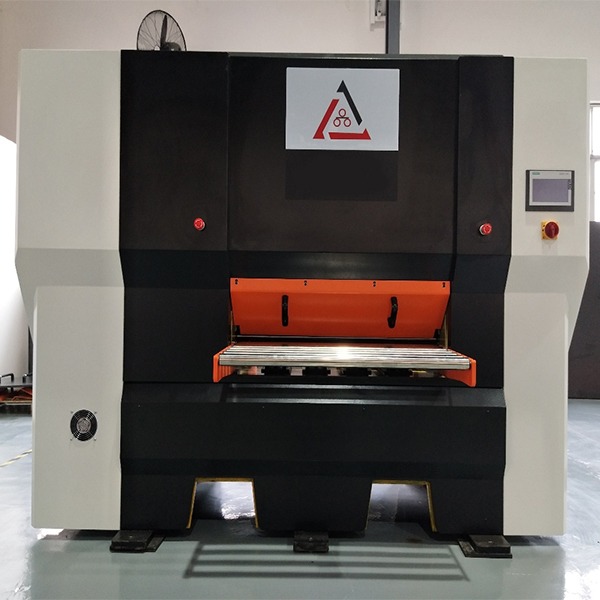
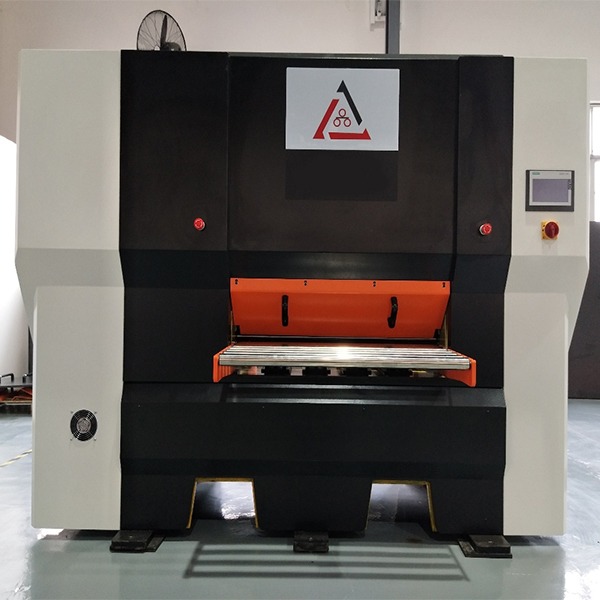
Precision leveling machines do not just "flatten" metal; they manipulate it through a series of alternating bends. This is where the Bauschinger Effect becomes the engineer's best friend. By passing a metal sheet through a XINLIJIN 50 Series Leveler, the material is subjected to decreasingly intense waves of tension and compression.
How the Process Works:
- Initial Plastic Deformation: The first few rollers of the machine apply the greatest force, bending the material beyond its yield point. This resets the "memory" of the metal.
- Alternating Bending: As the sheet moves forward, it is bent in the opposite direction. Because of the Bauschinger Effect, the material requires less force to bend back, allowing for more precise control over the grain structure.
- Internal Stress Release: This cyclic loading neutralizes the residual stresses that cause warping. The result is an internal stress released material that remains dead-flat even after secondary operations like laser cutting or punching.
Which Leveler for Your Material?
At XINLIJIN, we have engineered a wide spectrum of machines designed to handle specific material thicknesses, ensuring the Bauschinger Effect is optimized for every gauge.
20 Series: For 0.3 to 1.5mm thickness.
60 Series: For 1.0 to 6.0mm thickness.
120 Series: For 5.0 to 15.0mm thickness.

The XINLIJIN Advantage: Expertise You Can Count On
With over a decade of experience as a premier straightening machine manufacturer, XINLIJIN has served hundreds of clients globally, from the mesh sheet industry to automotive parts suppliers. Our machines are built with the understanding that every alloy reacts differently to the Bauschinger Effect.
Why Industry Leaders Choose XINLIJIN:
Precision Engineering
Our 4-high and 6-high structures are designed to provide the rigid support necessary to maintain roller alignment under extreme pressure.
CNC Intelligence
Modern CNC leveling machines allow for digital entry of material parameters, automatically adjusting to compensate for yield strength changes.
Proven Results
We reduce material scrap by up to 40% by ensuring the Bauschinger Effect is utilized to achieve consistent "dead-flat" results.
Frequently Asked Questions (FAQ)
Does the Bauschinger Effect apply to all metals?
Yes, it is common in most polycrystalline metals including steel, aluminum, and copper. However, the intensity of the effect varies based on the alloy's composition and previous heat treatment.
How long does it take to deliver a XINLIJIN machine?
Our standard models are often available for rapid shipment, while customized 100 Series configurations typically have a lead time of 6-10 weeks depending on technical complexity.
Can I test my specific material before purchasing?
Absolutely. We encourage potential partners to send material samples to our testing center. We provide a full report on the flatness achieved and how the Bauschinger Effect was managed for your specific grade.
Ready to Elevate Your Production Quality?
Don't let internal stress compromise your reputation. Experience the precision of XINLIJIN technology today.
Speak with a technical expert for a free consultation regarding the Bauschinger Effect and your sheet metal challenges.
© 2026 XINLIJIN Precision Leveling Machinery. All Rights Reserved. Professional solutions for sheet metal flattening and straightening technology.
Search
Categories
Recent News
Precision Engineering: How a Roller Leveler Optimizes Sheet Metal Flatness
2026-05-14 12:00:00
The Comprehensive Guide to Precision Sheet Metal Flatenning for Industry
2026-05-06 12:00:00