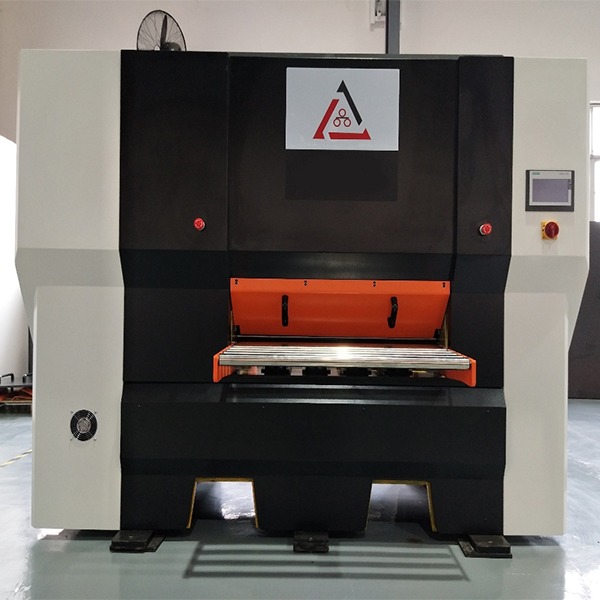
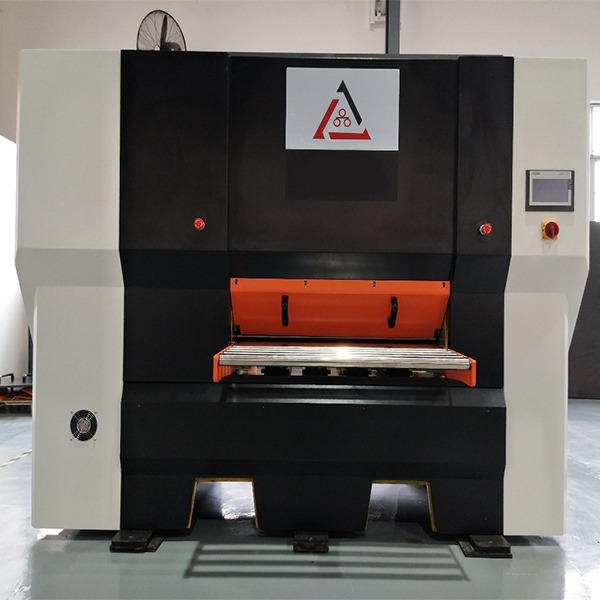
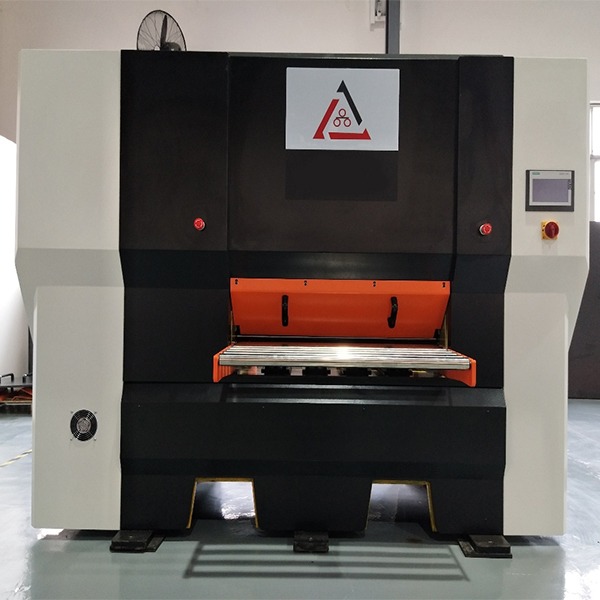
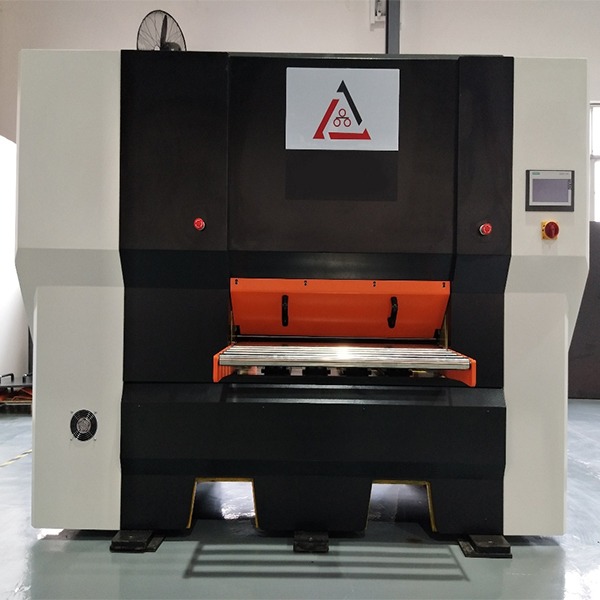
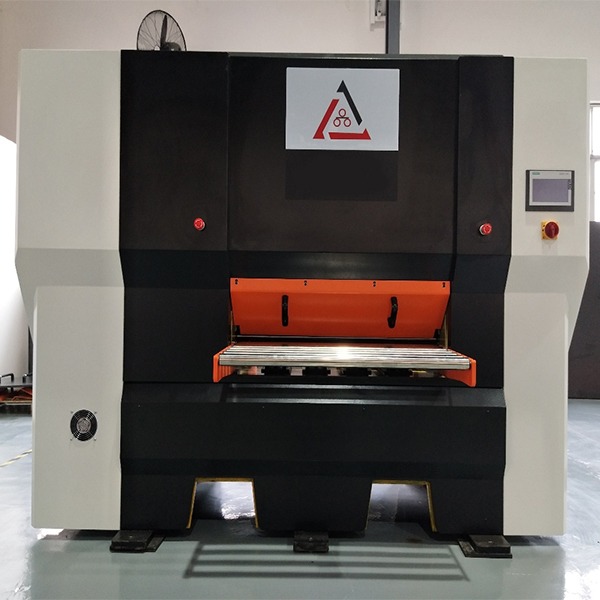
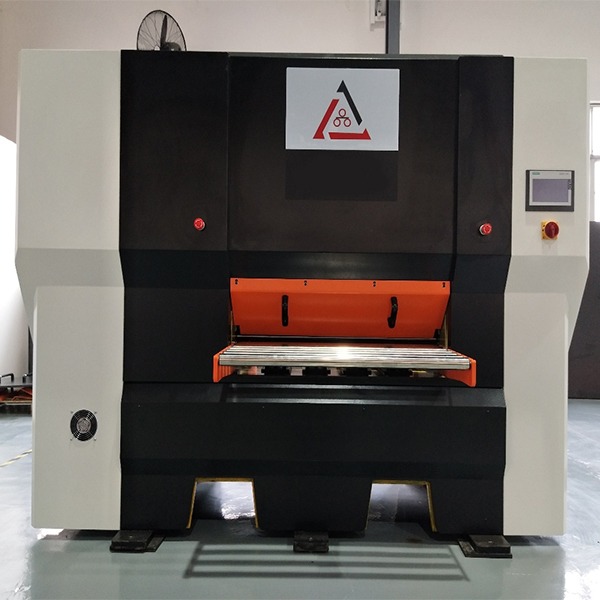
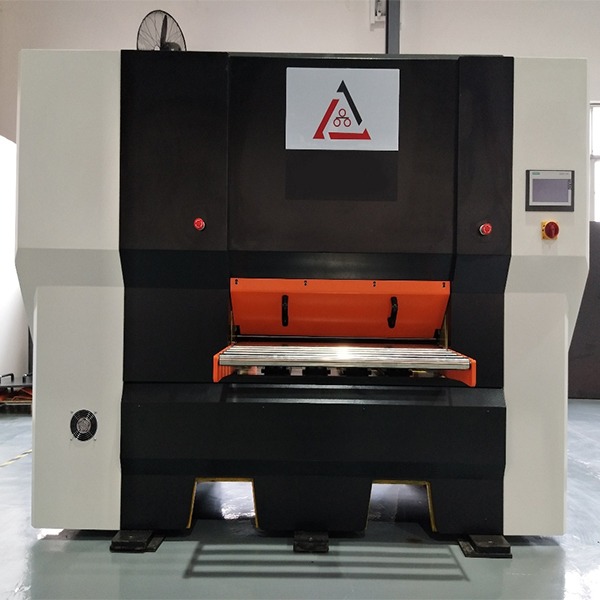
Guide to Selecting a Decoiler Straightener Feeder for Continuous Sheet Handling
2026-04-20 12:00:00
Guide to Selecting a Decoiler Straightener Feeder for Continuous Sheet Handling
Optimize your metal stamping production line with high-precision 3-in-1 integration. Discover how XINLIJIN engineering revolutionizes material processing.
Overcoming Challenges in Modern Metal Stamping
In the competitive landscape of metal fabrication, manufacturers often face the persistent challenge of material deformation. Coiled steel naturally retains "coil set," a curved memory that interferes with high-speed stamping and precision laser cutting. Without a high-performance Decoiler Straightener Feeder, production lines suffer from frequent downtime, wasted material, and inconsistent final product quality.
The core problem lies in the inability to handle internal stress within the sheet metal. Traditional setups require massive floor space and often fail to synchronize the uncoiling, leveling, and feeding speeds. This is where an integrated 3-in-1 solution becomes essential. This guide will provide you with a comprehensive roadmap to selecting the right technology to ensure perfect flatness and synchronized feeding.

What is a Decoiler Straightener Feeder?
1. Uncoiling (Decoiler)
The process begins by holding and rotating the heavy metal coil. Modern systems use hydraulic expansion to secure the coil and motor-driven spindles to ensure a smooth release of the material without jerking or slippage.
2. Leveling (Straightener)
Through a series of staggered rollers, the material is bent past its yield point to eliminate internal stresses. This leverages the Bauschinger effect to achieve superior flatness.
3. Precision Feeding (Feeder)
The final stage involves high-precision servo motors that move the flattened sheet into the press machine at exact intervals, ensuring high-speed accuracy for complex stamping dies.
Strategic Selection Based on Material Specifications
Choosing the correct Decoiler Straightener Feeder requires a deep understanding of your material's physical properties. XINLIJIN offers a specialized range of series designed for varying thicknesses and widths.
| Series Model | Thickness Range | Typical Application | Product Link |
|---|---|---|---|
| 20 Series | 0.3 mm to 1.5 mm | Precision electronics, thin-wall components | View Details |
| 40 Series | 0.8 mm to 3.0 mm | Automotive parts, home appliances | View Details |
| 60 Series | 1.0 mm to 6.0 mm | Industrial hardware, construction framing | View Details |
| 100 Series | 3.0 mm to 12.0 mm | Heavy machinery, thick plate processing | View Details |
| 120 Series | 5.0 mm to 15.0 mm | Structural steel, extreme duty manufacturing | View Details |
The Science of Internal Stress Release
One of the most critical aspects of a Decoiler Straightener Feeder is its ability to act as an internal stress released machine. When metal is coiled, the outer layers stretch while the inner layers compress. Simply pulling the material straight is not enough; the fibers of the metal must be neutralized.
XINLIJIN utilizes advanced roller leveler machine technology. By employing a 4-high or 6-high roller configuration, our machines apply precise pressure to eliminate crown, camber, and wavy edges. This level of precision is vital for industries such as mesh sheet production and automotive sheet metal processing.
4-High vs. 6-High Leveler Structure
When choosing your equipment, understanding the roller structure is paramount. A 4-high leveler is excellent for standard materials, providing a balance of cost and performance. However, for sensitive materials or high-surface-quality requirements, a 6-high leveler machine offers intermediate rollers that prevent work roller deflection, ensuring absolutely flawless surfaces.

Why XINLIJIN is Your Trusted Partner
- High-Precision CNC Integration: Our high precision CNC leveling machines feature automated thickness settings and recipe storage.
- Enhanced Productivity: Combining three machines into one footprint reduces labor costs and significantly increases productivity.
- Space-Saving Design: The compact nature of our Decoiler Straightener Feeder is ideal for facilities looking to maximize floor efficiency.
- Proven Durability: Built with hardened alloy rollers and heavy-duty frames, designed for 24/7 industrial operation.
The XINLIJIN Advantage
Based on our experience serving over 500 global clients, we understand that every production line is unique. Whether you are dealing with high-tensile steel or delicate aluminum, our engineering team customizes each 50 series (1.0-4.0mm) or specialized metal straightener machine to meet exact tolerances.
We provide complimentary material testing services. Send us your most challenging coils, and we will demonstrate the perfect flatness our machines can achieve.
Frequently Asked Questions
How does a Decoiler Straightener Feeder improve part quality?
By removing the coil set and internal stresses, the material enters the die perfectly flat. This prevents jamming, reduces burrs, and ensures that dimensions remain stable after the stamping process.
Can the feeder handle high-strength steel (HSS)?
Yes. Our heavy-duty models, such as the 80 series, are specifically engineered with higher torque and reinforced rollers to process HSS used in automotive safety components.
What is the typical lead time for a custom machine?
Standard models are often available for quick delivery. Customized configurations tailored to specific widths or automated factory integrations typically take 8-12 weeks.
Do you provide on-site installation and training?
Absolutely. XINLIJIN provides global technical support, including on-site commissioning and comprehensive operator training to ensure your team can maximize the machine's capabilities from day one.
Ready to Elevate Your Production Flatness?
Don't let material defects slow down your manufacturing. Experience the precision of a XINLIJIN Decoiler Straightener Feeder and see the difference in every part you produce.
Search
Categories
Recent News
Precision Engineering: How a Roller Leveler Optimizes Sheet Metal Flatness
2026-05-14 12:00:00
The Comprehensive Guide to Precision Sheet Metal Flatenning for Industry
2026-05-06 12:00:00