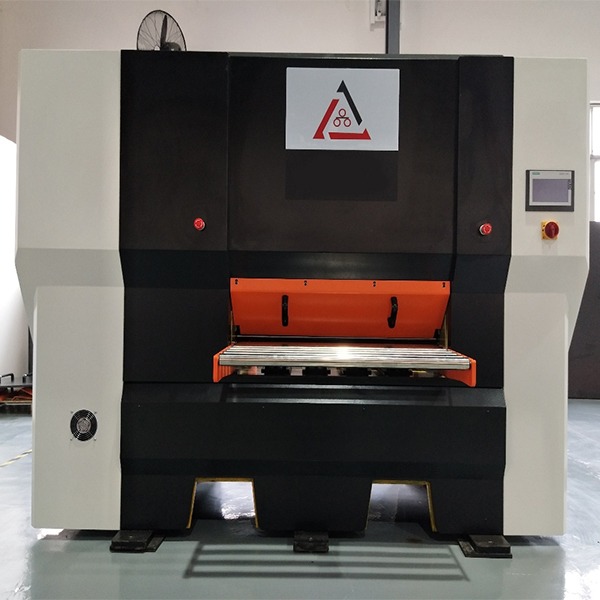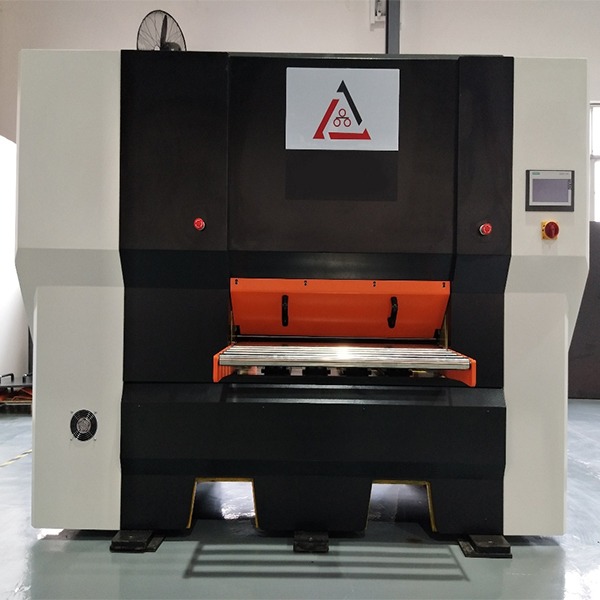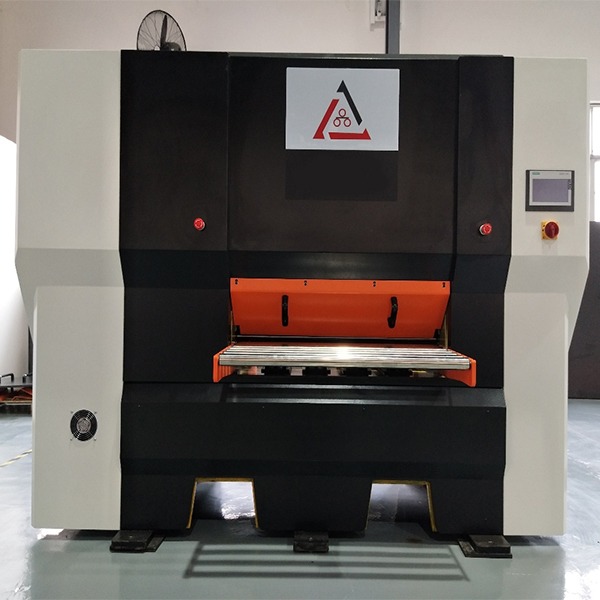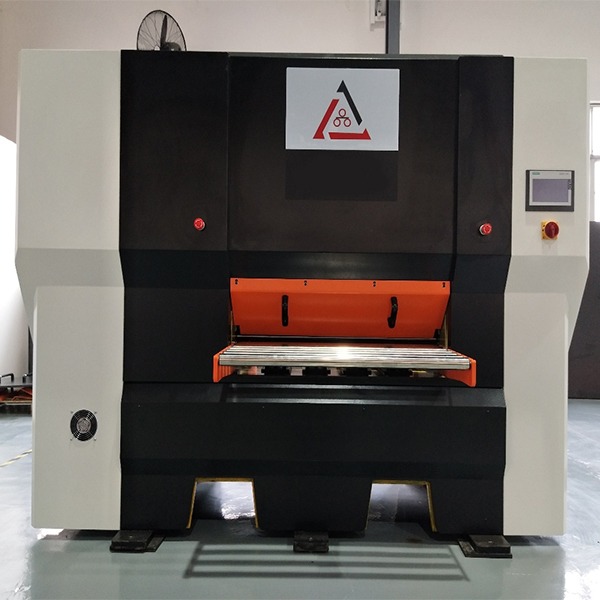

How a Decoiler Straightener Feeder Line Can Increase Your Throughput by Over 40%.
Discover how integrating high-precision metal processing technology can transform your manufacturing efficiency and material quality.
The Manufacturing Bottleneck: Why Traditional Lines Fail
In the modern sheet metal stamping industry, manufacturers are constantly pressured by rising material costs and the demand for tighter tolerances. Many facilities still operate with fragmented lines where the uncoiling, straightening, and feeding processes are handled by separate, poorly synchronized machines. This fragmentation leads to excessive material waste, long setup times, and significant floor space consumption.
Are your operators spending more time adjusting loop controls than focusing on production? Is inconsistent material flatness causing frequent die damage? These challenges are not just operational hurdles; they are profit-killers. The solution lies in technological integration. This guide will demonstrate how a professional Decoiler Straightener Feeder 3-in-1 system can resolve these pain points and deliver a measurable throughput increase of over 40%.
Understanding the Decoiler Straightener Feeder System
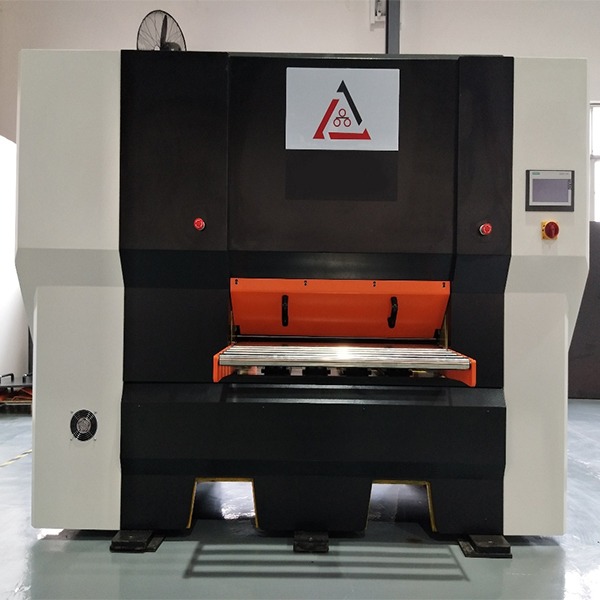
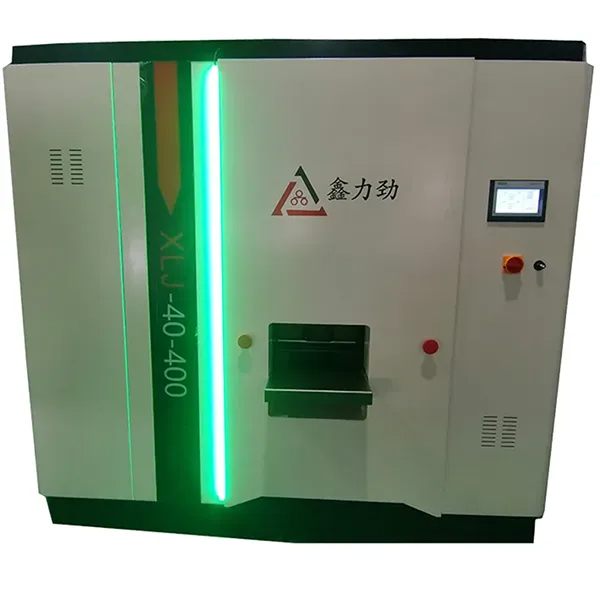
A Decoiler Straightener Feeder, often referred to as a 3-in-1 feeder, integrates three critical functions into a single compact machine: uncoiling the raw material, leveling the coil set to achieve perfect flatness, and feeding the material precisely into the press machine.
By combining these processes, XINLIJIN systems eliminate the long material loops required by traditional setups. This integration ensures that the material is straightened and fed in a continuous, synchronized motion, which significantly reduces the internal stress of the metal—a phenomenon closely related to the Bauschinger effect.
How 3-in-1 Integration Drives 40% Growth
1. Drastic Reduction in Setup and Changeover Time
Traditional lines require independent synchronization of three different machines. With a Decoiler Straightener Feeder, the entire process is controlled via a centralized CNC interface. Our data shows that changeover times for different coil widths or thicknesses can be reduced by 50-70%, allowing for more production cycles per shift.
2. Space Optimization and Loop Control
Floor space is expensive. A 3-in-1 system typically occupies only half the footprint of a traditional separate line. By eliminating the large loop area between the straightener and the feeder, manufacturers can fit more production lines into the same factory area, effectively multiplying throughput per square foot.
3. Superior Precision and Material Flatness
Precision is the backbone of high-speed stamping. XINLIJIN offers various series tailored for different material requirements:
- 20 Series: Optimized for ultra-thin materials (0.3 – 1.5mm). View Details
- 50 Series: Designed for medium-duty processing (1.0 – 4.0mm). View Details
- 120 Series: Heavy-duty performance for thick plates (5.0 – 15.0mm). View Details
Why Global Manufacturers Trust XINLIJIN
Proven Expertise
Based on our experience serving hundreds of clients in the automotive and mesh sheet industries, we understand that precision leveling is as much a science as an art.
Rigorous Standards
Every Decoiler Straightener Feeder undergoes a multi-stage quality control process, ensuring the internal stress release is handled with CNC accuracy.
Customized Solutions
Whether you need a high-precision CNC leveling machine or a specialized 3-in-1 feeder, we provide tailored engineering support.
Frequently Asked Questions
Can the 3-in-1 system handle high-strength steel?
Yes. Our advanced Decoiler Straightener Feeder lines, particularly the 80 and 100 series, are engineered with reinforced rollers and high-torque motors to process high-tensile materials while maintaining exceptional flatness.
How does the machine prevent material surface damage?
We use chrome-plated or polyurethane-coated rollers depending on the application. This ensures that sensitive materials, like those used in the mesh sheet industry, remain scratch-free during high-speed feeding.
What is the typical lead time for a XINLIJIN system?
Standard models are often available for rapid dispatch, while customized configurations typically range from 6 to 10 weeks, including comprehensive factory testing before shipment.
Ready to Optimize Your Production Line?
Contact our technical experts today for a free consultation or a detailed quotation.
© 2026 XINLIJIN Precision Leveling Machinery. All Rights Reserved.
Professional solutions for sheet metal processing and automated stamping.
Quality Certification: ISO 9001 & CE Compliant
Recent News