how to optimize metal flatness using a manual leveling machine
How to Optimize Metal Flatness Using a Manual Leveling Machine
2026-04-13 12:00:00
How to Optimize Metal Flatness Using a Manual Leveling Machine
Master the art of precision metalworking by eliminating internal stress and achieving flawless surface quality with XINLIJIN professional solutions.
The Invisible Challenge in Metal Fabrication
In modern metal processing, flatness is not just an aesthetic requirement; it is a fundamental necessity for downstream operations like laser cutting, welding, and assembly. Many manufacturers face the frustrating reality of material warping, "oil canning," and latent internal stresses that ruin expensive workpieces. These issues often lead to increased scrap rates, machine downtime, and compromised product integrity.
The core question remains: How can you achieve consistent, high-precision flatness without investing in overly complex automated systems for every application? This guide provides the answer by exploring how a Manual Leveling Machine can become the most versatile tool in your workshop, ensuring your materials meet the most stringent industry standards.
What you will learn in this guide:
The mechanical principles behind effective sheet metal flattening.
Step-by-step optimization strategies for different material thicknesses.
How XINLIJIN technology integrates the Bauschinger effect to release internal stress.
Understanding the Mechanics of a Manual Leveling Machine
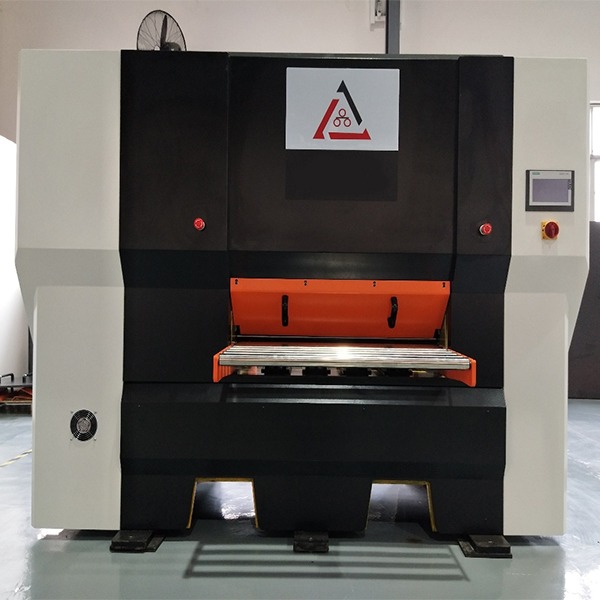
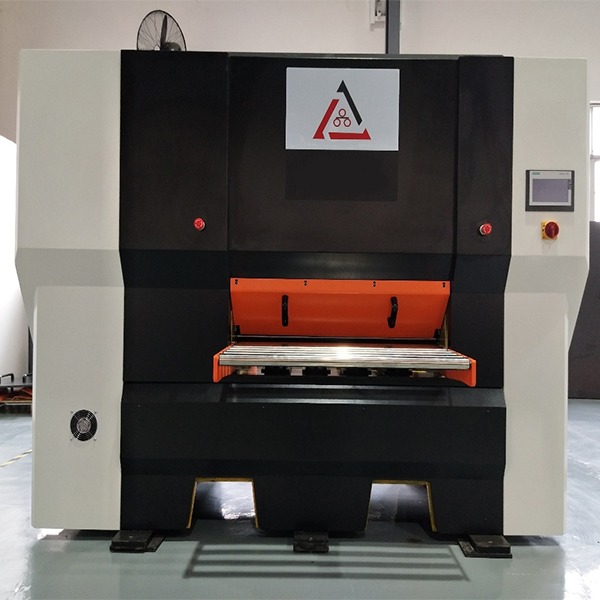
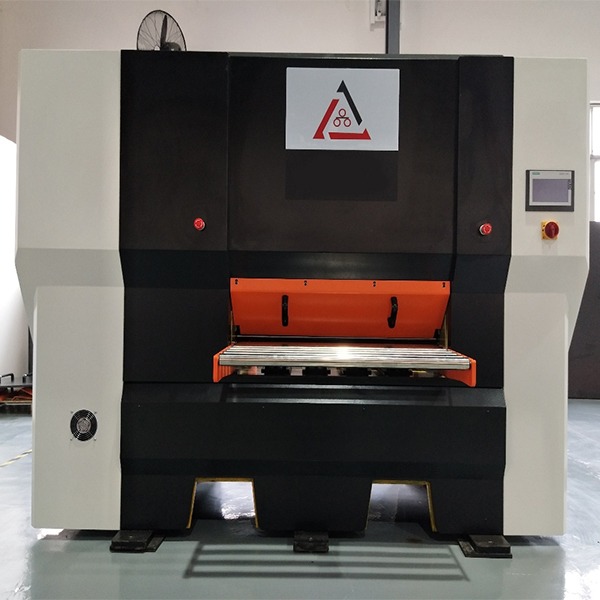
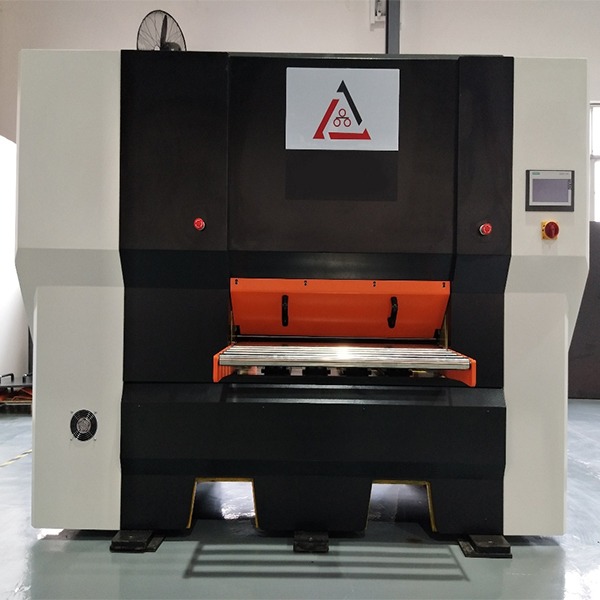
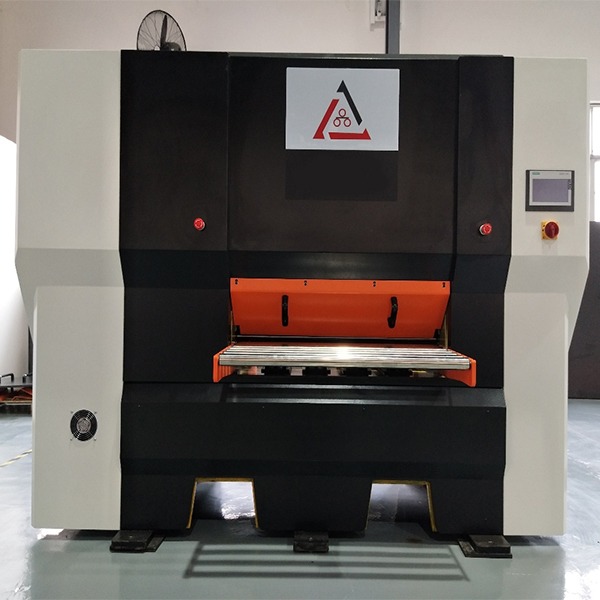
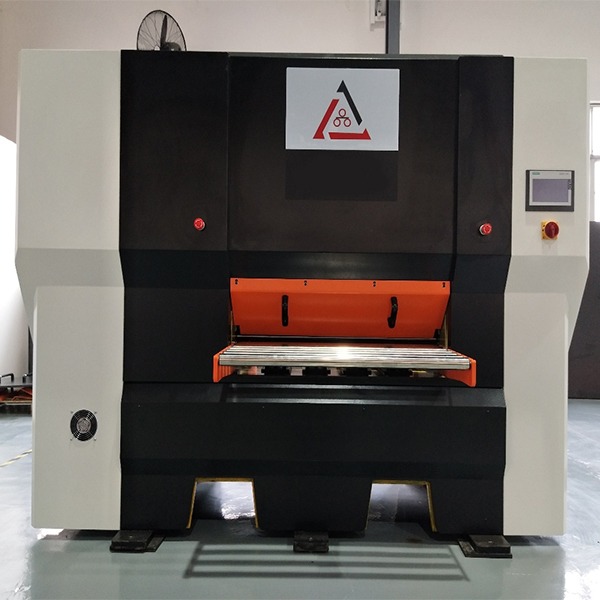
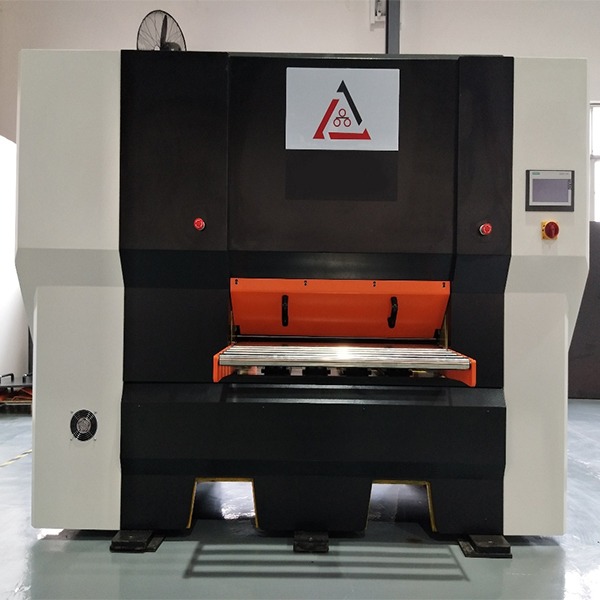
A Manual Leveling Machine operates on the principle of rhythmic alternating bending. By passing the metal sheet through a series of staggered rollers, the material is subjected to controlled deformation. This process stretches the "shorter" fibers of the metal and compresses the "longer" fibers until they reach a uniform length, resulting in a flat surface.
Key Technical Concepts
To master the machine, one must understand the Bauschinger Effect. As the rollers exert pressure, the yield strength of the material changes. A professional Manual Leveling Machine leverages this effect to neutralize the stresses introduced during the rolling or cooling process of raw sheet metal.
Unlike simple press flattening, a multi-roller system ensures that the entire cross-section of the material is processed, which is essential for high-quality flatness improvement.
Deep Dive: Strategic Flatness Optimization
Based on our experience serving hundreds of manufacturing facilities, the following steps are critical when using a Manual Leveling Machine to achieve precision results.
Step 1: Material Analysis
Before starting, identify the material yield strength and thickness. For instance, the 30 Series is designed for 0.5 to 2.0mm thickness, while heavier needs might require the 120 Series.
Step 2: Roller Gap Setting
The entry gap should be slightly less than the material thickness to initiate plastic deformation. The exit gap should ideally match the thickness to ensure the material exits straight and tension-free.
Step 3: Stress Release
Utilize multiple passes if necessary. Releasing internal stress is an iterative process that requires precision control over roller pressure.
Why XINLIJIN is the Trusted Partner for Leveling Solutions
At XINLIJIN, we understand that a Manual Leveling Machine must be both robust and highly accurate. Our machines are engineered with high-rigidity frames and precision-ground rollers to prevent deflection during heavy-duty operations.
The XINLIJIN Advantage:
Versatile Range: From the 20 Series to the massive 120 Series, we cover thicknesses from 0.3mm to 15.0mm.
Proven Durability: Our machines are used globally in industries ranging from aerospace to mesh sheet production.
Our commitment to quality is backed by rigorous testing. We offer free sample leveling for prospective clients, allowing you to witness the precision of our machines on your own materials before making a commitment.
Frequently Asked Questions
Can a Manual Leveling Machine handle high-strength steel?
Yes, provided the machine's roller diameter and motor power are matched to the material's yield strength. We recommend consulting our 80 Series or higher for high-tensile materials.
What is the difference between a 4-high and 6-high leveling structure?
A 4-high machine uses work rollers and back-up rollers, while a 6-high adds intermediate rollers to prevent marks on sensitive surfaces. You can find a detailed breakdown in our article: 4-High vs 6-High Comparison.
Is maintenance difficult?
Our Manual Leveling Machine designs prioritize accessibility. Regular lubrication of bearings and keeping rollers clean from scale or debris are the primary requirements for a long service life.
Ready to Achieve Perfect Flatness?
Contact XINLIJIN today for a customized technical consultation or a free quote.