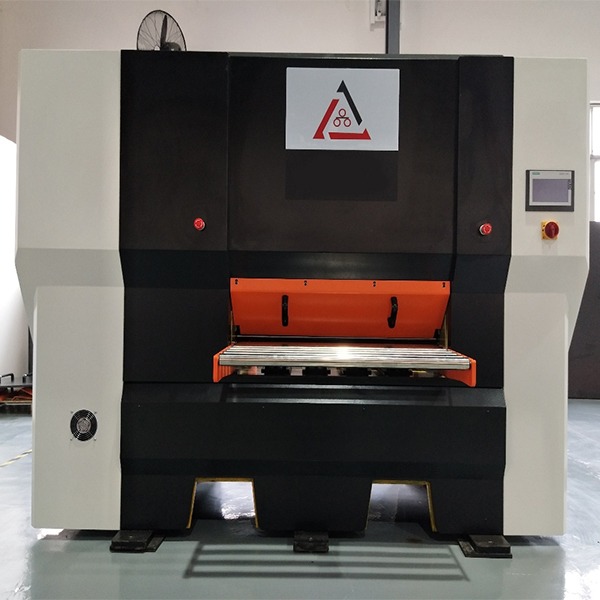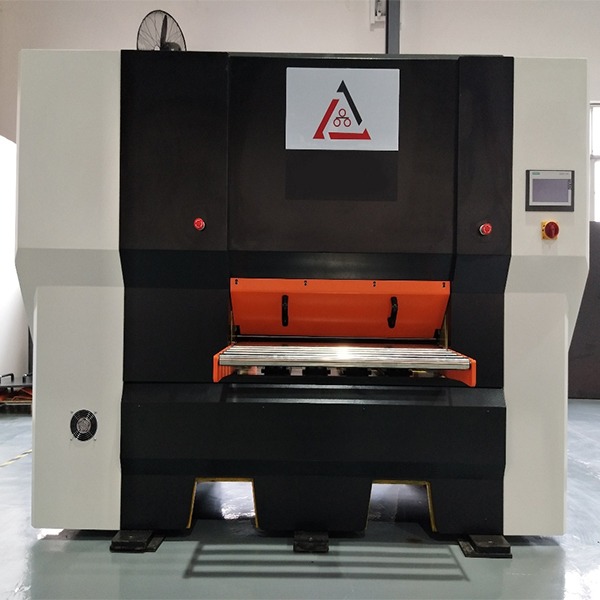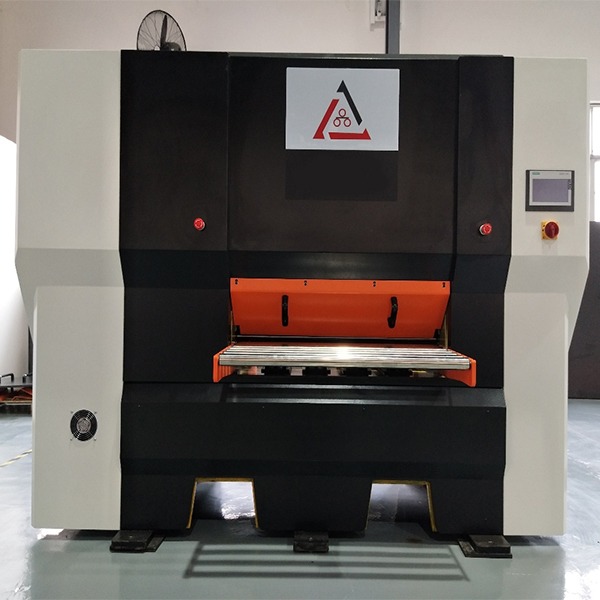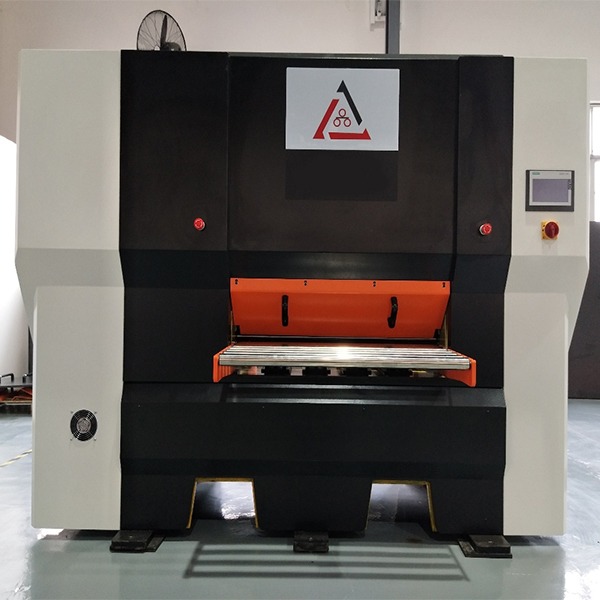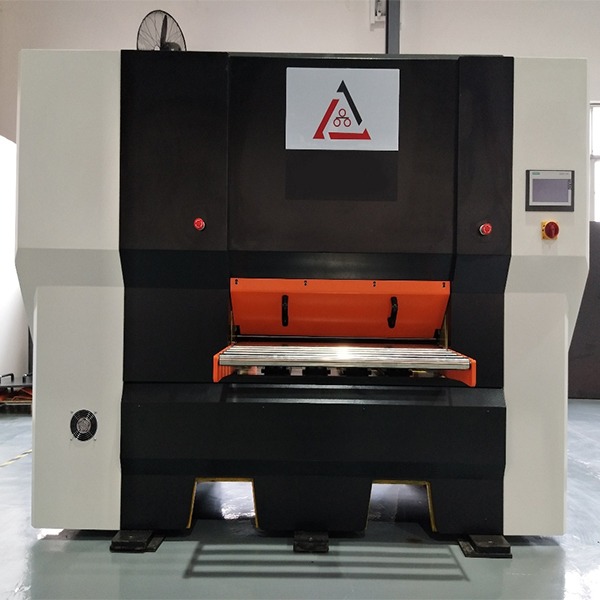


The Process of Sheet Metal Flattening for Superior Surface Quality
In precision manufacturing, the pursuit of perfect surface quality begins long before painting, coating, or finishing—it starts with fundamentally flat material. Sheet metal flattening represents a critical, often underestimated process that transforms stressed, uneven metal into a perfect canvas for downstream operations. Understanding this sophisticated mechanical ballet reveals why it's indispensable for achieving superior surface quality in final products.
The Critical Need for Flattening
Raw sheet metal, particularly from coiled stock, carries inherent stresses from previous processing:
-
Rolling mill induced stresses creating wavy edges or center buckles
-
Coil memory causing curvature and springback
-
Handling and storage creating localized distortions
-
Thermal stresses from varying cooling rates
These imperfections aren't merely cosmetic. They translate directly into visible defects in finished products:
-
Orange peel effects in painted surfaces
-
Inconsistent coating thickness
-
Visible ripples in reflective surfaces
-
Poor adhesion in laminated materials
-
Stress cracking during forming operations
The Science of Stress Neutralization
Modern flattening employs sophisticated material science principles beyond simple bending. The process works through controlled plastic deformation:
-
Yield Point Exceedance: Each roller incrementally stresses the material beyond its elastic limit
-
Stress Redistribution: Internal stresses are systematically reorganized and neutralized
-
Grain Structure Alignment: Metallic crystals realign into stable configurations
-
Memory Elimination: The material's "memory" of its coiled state is permanently erased
Progressive Flattening Stages
Stage 1: Initial Destressing
The entry section addresses major curvature and coil set. Larger diameter rolls apply significant reverse bending to overcome primary stresses. This stage tackles the most visible distortions and prepares the material for precision work.
Stage 2: Precision Leveling
The heart of the flattening process utilizes numerous small-diameter work rolls in alternating arrangement. Each subsequent roll pair applies diminishing reverse bends, systematically addressing progressively smaller imperfections down to microscopic levels.
Stage 3: Final Stabilization
Exit rollers provide gentle finishing passes to ensure stress equilibrium. This critical phase guarantees the material remains stable through subsequent handling and processing, preventing gradual return of distortion.
Advanced Flattening Technologies
Modern precision flattening incorporates several sophisticated approaches:
Multi-Roll Configuration
-
17-23 roll arrangements for ultra-precise results
-
Variable roll diameters targeting specific imperfection types
-
Independent roll adjustment for customized material handling
CNC Precision Control
-
Digital adjustment of individual roll penetration
-
Memory functions for different material specifications
-
Real-time monitoring and automatic compensation
-
Production data logging for quality tracking
Adaptive Roller Technology
-
Variable roll spacing for different thickness ranges
-
Segmented rolls addressing localized imperfections
-
Taper control for edge-to-edge uniformity
-
Thermal compensation maintaining precision under varying conditions
Material-Specific Considerations
Different materials demand tailored approaches:
Aluminum and Non-Ferrous Metals
-
Softer materials require more rolls with smaller diameters
-
Delicate surface protection through polished rollers
-
Lower pressure settings preventing surface marking
High-Strength Steel
-
Increased roll pressure capabilities
-
Robust frame construction resisting deflection
-
Specialized roll surfaces preventing slippage
Stainless Steel
-
Intermediate pressure requirements
-
Corrosion-resistant component materials
-
Precision control maintaining metallic luster
Quality Verification and Process Control
Successful flattening requires comprehensive quality assurance:
Surface Inspection Methods
-
Visual inspection under controlled lighting
-
Straightedge measurement of flatness tolerance
-
Laser scanning for digital flatness mapping
-
Surface roughness measurement
Process Monitoring
-
Tension control maintaining consistent material flow
-
Roll pressure monitoring ensuring proper loading
-
Speed synchronization with adjacent processes
-
Temperature monitoring preventing thermal distortion
The XINLIJIN Approach to Superior Flattening
At XINLIJIN, we've refined the flattening process through decades of specialized engineering:
Precision Engineering
-
Computer-optimized roll layout and spacing
-
Finite element analysis ensuring frame rigidity
-
Precision-ground rollers with micro-level tolerances
-
Advanced bearing systems minimizing deflection
Process Integration
-
Seamless compatibility with upstream and downstream equipment
-
Automated material handling interfaces
-
Centralized control system integration
-
Real-time quality monitoring capabilities
Operational Excellence
-
User-friendly interface reducing operator dependency
-
Quick-change tooling for different materials
-
Comprehensive maintenance access features
-
Robust safety systems protecting personnel and equipment
Conclusion: The Foundation of Quality Manufacturing
Sheet metal flattening is far more than a simple straightening operation—it's a sophisticated process that fundamentally determines final product quality. By understanding and implementing advanced flattening techniques, manufacturers can achieve surface quality that enhances every subsequent processing step.
The choice of flattening equipment represents a strategic decision impacting overall manufacturing excellence. With XINLIJIN's precision flattening solutions, manufacturers gain not just flat material, but a foundation for superior product quality, reduced rework, and enhanced customer satisfaction.
Recent News