
The Ultimate Guide to Choosing Between a Manual Leveling Machine and a CNC Leveling Machine.
Unlock precision in sheet metal processing by understanding the critical differences between traditional manual systems and advanced CNC leveling technology.
Navigating the Complexities of Sheet Metal Flatness
In the modern manufacturing landscape, achieving perfect flatness in sheet metal is no longer a luxury—it is a technical necessity. Whether you are dealing with laser cutting, stamping, or aerospace components, the presence of internal stress and surface irregularities can compromise your entire production chain. Many manufacturers struggle with high scrap rates, inefficient downstream processing, and the constant challenge of meeting tight tolerances.
Are you relying on outdated manual methods that depend heavily on operator intuition, or is it time to upgrade to a high-precision Cnc Leveling Machine? This guide will break down the technical nuances, operational benefits, and long-term value of both systems to help you make an informed investment for your workshop.
By the end of this article, you will gain a clear understanding of roller leveler technology, the impact of the Bauschinger effect, and how XINLIJIN equipment can revolutionize your metalworking efficiency.
Understanding the Basics: What is Leveling?
Leveling is the process of eliminating internal stresses and physical defects such as coil set, crossbow, and camber from metal sheets. This is achieved by subjecting the material to alternating elastic-plastic bending through a series of staggered rollers.
A key concept here is the Bauschinger effect. This physical phenomenon describes how the yield strength of a metal changes after plastic deformation. An expert-designed Cnc Leveling Machine leverages this effect to neutralize stress, ensuring the metal stays flat even after subsequent cutting or heating.
Detailed Comparison: Manual vs. CNC Leveling Machine
Manual Leveling Machines
Manual levelers are often the entry point for smaller workshops. They require the operator to manually adjust the roller gap and pressure via handwheels or basic mechanical controls.
- Lower initial capital investment.
- Suitable for simple, thick materials with wide tolerances.
- High dependency on skilled labor and "feel."
- Slower setup times for different material batches.
For more details, check our manual vs hydraulic comparison.
CNC Leveling Machine Technology
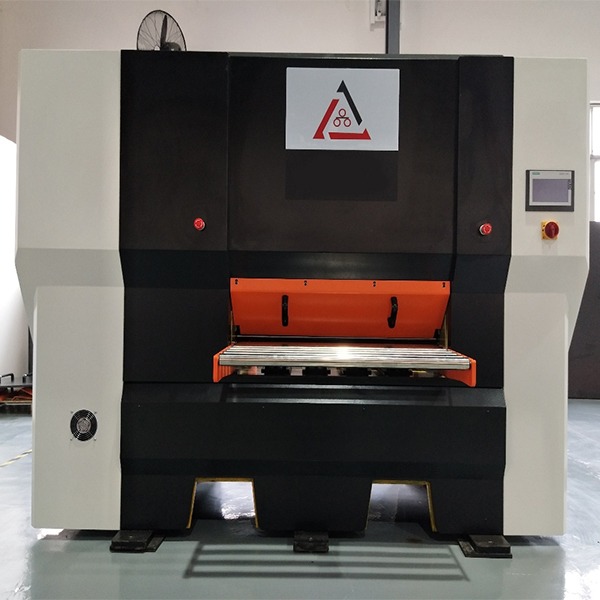
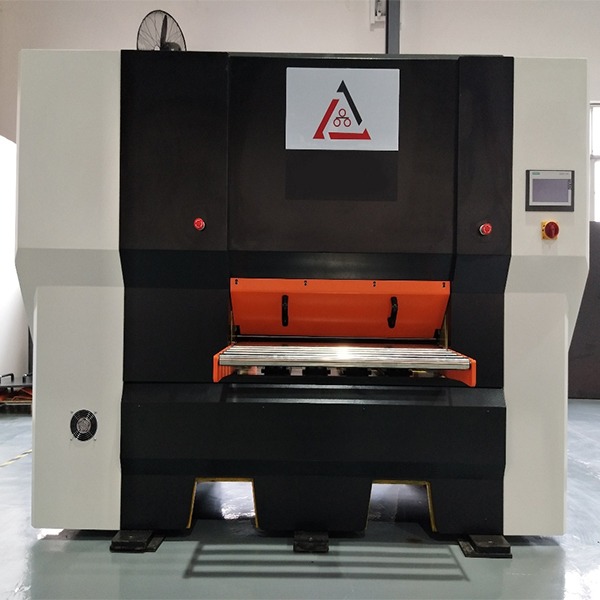
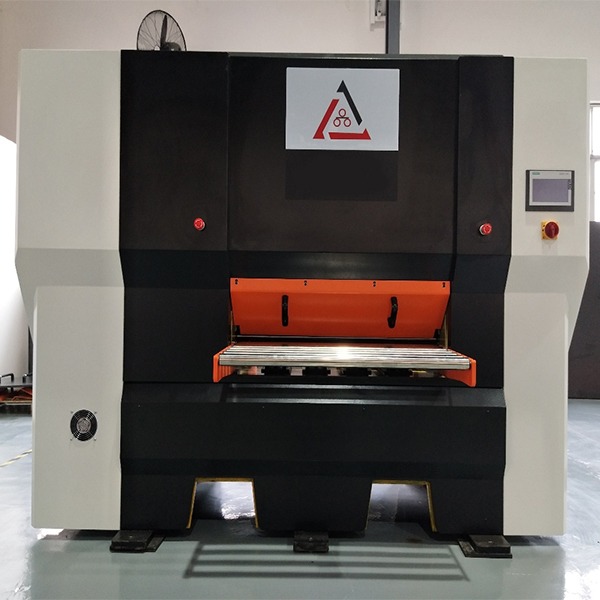
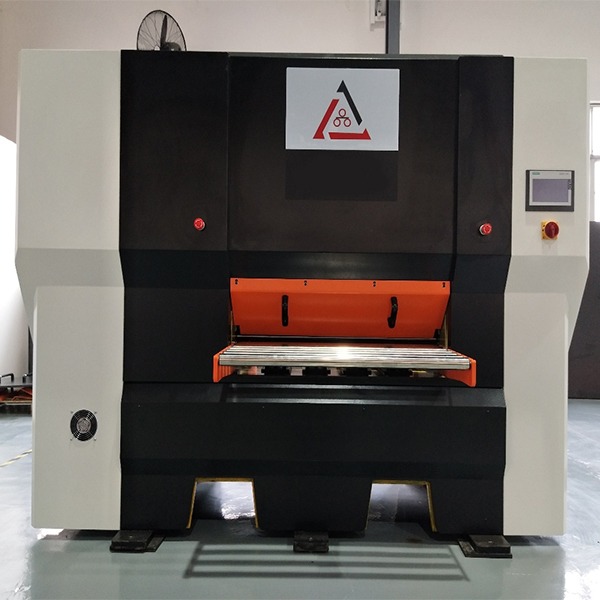
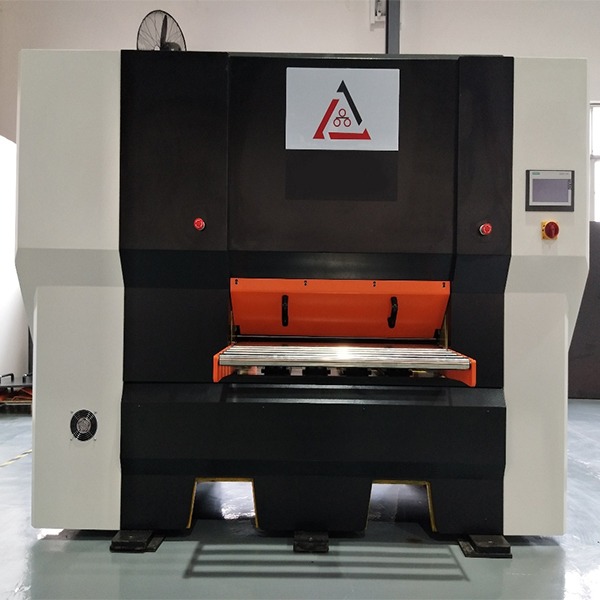
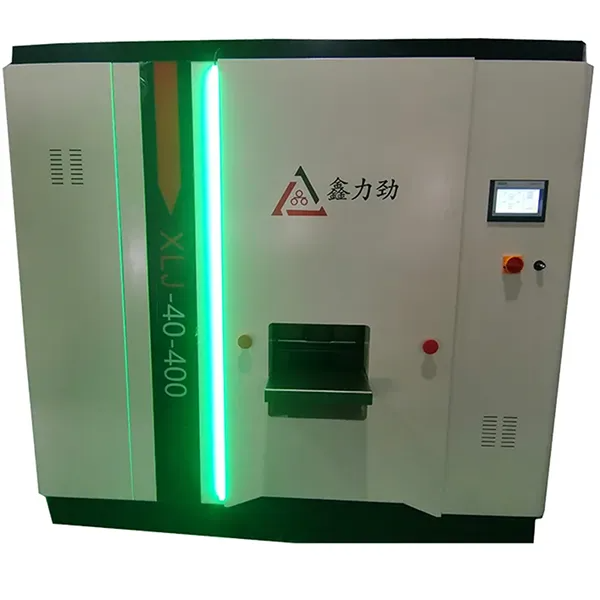
A Cnc Leveling Machine represents the pinnacle of precision. These systems use advanced software and high-torque motors to automatically calculate and set the optimal leveling parameters based on material type, thickness, and yield strength.
- Unmatched repeatability across thousands of parts.
- Data storage for quick recall of specific jobs.
- Significant reduction in setup time and labor costs.
- Integration into fully automated production lines.
Learn more about high-precision CNC performance.
XINLIJIN: Your Partner in Precision
At XINLIJIN, we have engineered a diverse range of leveling solutions tailored to specific material thicknesses and industrial needs. Our Cnc Leveling Machine units are used globally to ensure quality in sectors ranging from automotive to mesh sheet industries.
Why Professional Manufacturers Choose XINLIJIN
With over a decade of experience in the metal straightening industry, XINLIJIN has established itself as a leading straightening machine manufacturer. Our expertise is not just in building machines, but in understanding the metallurgical science behind internal stress release.
Proven Quality Control
Every Cnc Leveling Machine we produce undergoes rigorous testing. We invite our customers to visit our facility to witness the leveling performance on their own material samples. This transparency ensures that the machine you receive is perfectly calibrated for your specific production needs.
XINLIJIN Advantage:
- CE and ISO-certified manufacturing standards.
- Advanced 4-high and 6-high roller configurations for superior surface protection.
- Real-time technical support and global delivery capabilities.
Frequently Asked Questions
1. How do I know if I need a CNC Leveling Machine instead of a manual one?
If you process various material types or thicknesses daily, or if your downstream processes (like robotic welding) require high precision, a CNC system is essential for consistent quality and efficiency.
2. Can the Cnc Leveling Machine handle high-strength steel?
Yes. Our machines, especially the 80 to 120 series, are designed with reinforced frames and high-power drives specifically to overcome the high yield strength of modern alloys.
3. What maintenance is required for these machines?
Regular lubrication of the roller bearings and cleaning of the leveling rollers are the primary requirements. Our CNC systems also include self-diagnostic features to alert you of maintenance needs.
4. Does XINLIJIN provide operator training?
Absolutely. We provide comprehensive training either on-site or at our headquarters to ensure your team can fully utilize the Cnc Leveling Machine software and mechanical features.
Ready to Elevate Your Production Quality?
Contact our technical experts today for a free consultation and material leveling test.
Investing in a Cnc Leveling Machine is an investment in the future of your manufacturing capability. By choosing XINLIJIN, you ensure that every sheet leaving your shop is stress-free and perfectly flat, reducing costs and boosting your reputation for quality.
© 2026 XINLIJIN Precision Leveling Technology. All Rights Reserved. About Us | Contact
Recent News