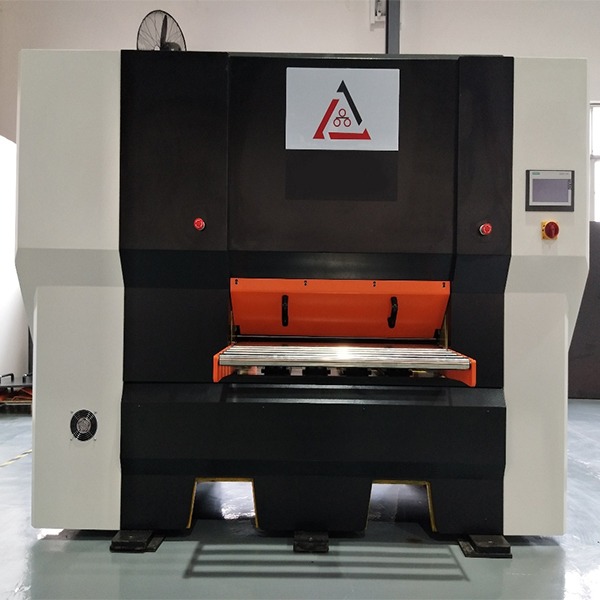

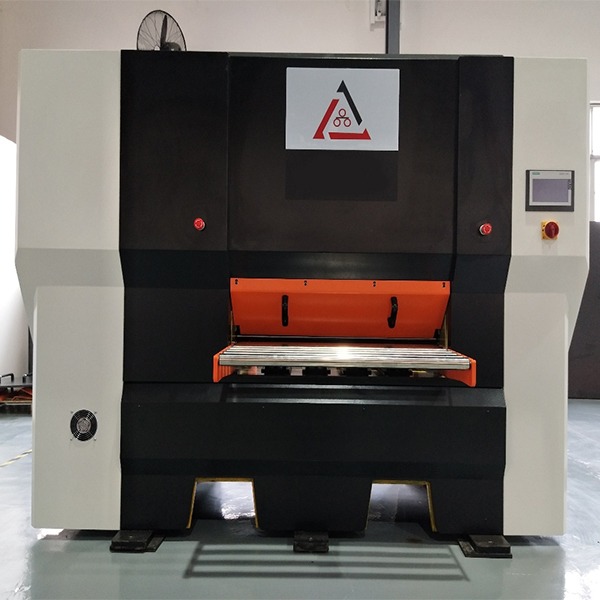
The Ultimate Guide to Enhancing Metal Flatness with a Manual Leveling Machine
The Ultimate Guide to Enhancing Metal Flatness with a Manual Leveling Machine
Precision, Durability, and Performance: How XINLIJIN is Revolutionizing the Metalworking Industry through Advanced Leveling Technology.
Introduction: Overcoming the Challenges of Material Deformation
In the modern metal fabrication landscape, achieving perfect flatness is not just a preference; it is a critical requirement. Many manufacturers face the frustrating reality of coil set, crossbow, and internal stresses that cause sheet metal to warp during subsequent processes like laser cutting or welding. These distortions lead to increased scrap rates, machine downtime, and compromised final product quality.
The core question for many production managers is: How can we cost-effectively eliminate these deformities while maintaining high throughput? The answer lies in the strategic implementation of a high-performance Manual Leveling Machine.
This guide serves as a comprehensive tool for professionals looking to understand the mechanics of metal straightening. We will explore how XINLIJIN integrates decades of expertise into every Manual Leveling Machine, helping you achieve a flatter, stress-free finish that enhances every stage of your production line.
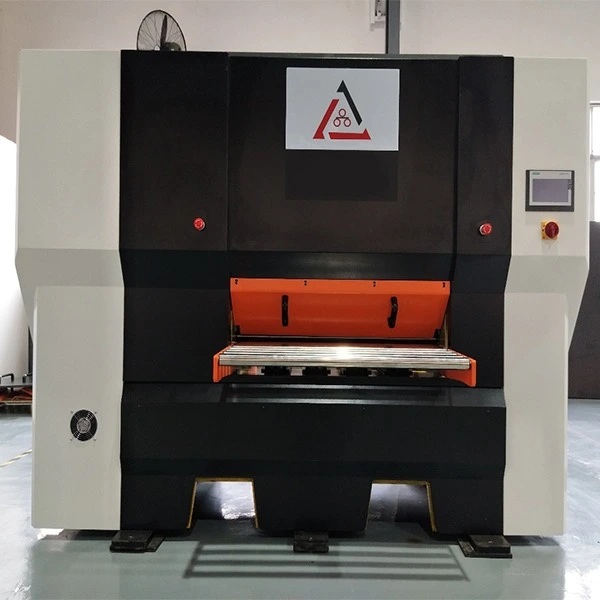
Core Concepts: What is a Manual Leveling Machine?
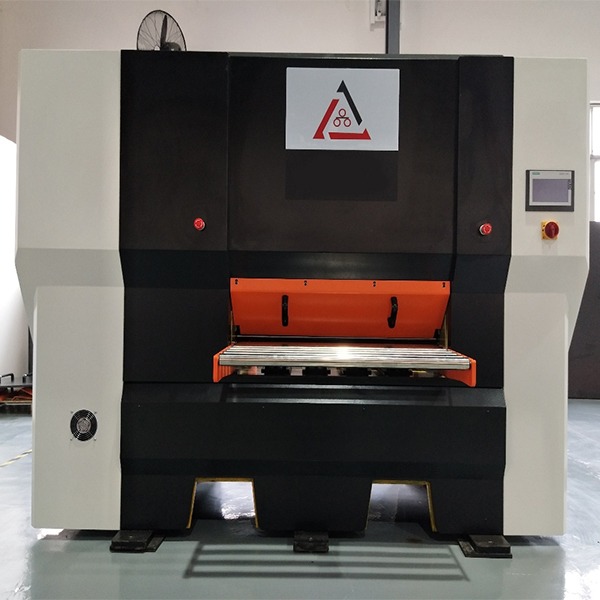
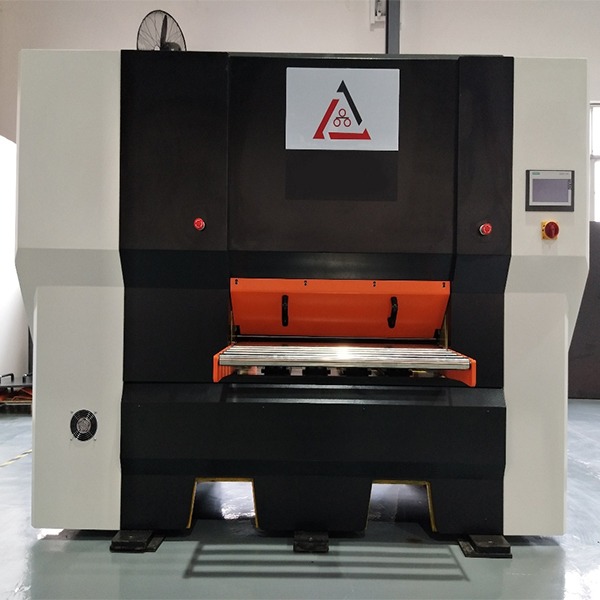
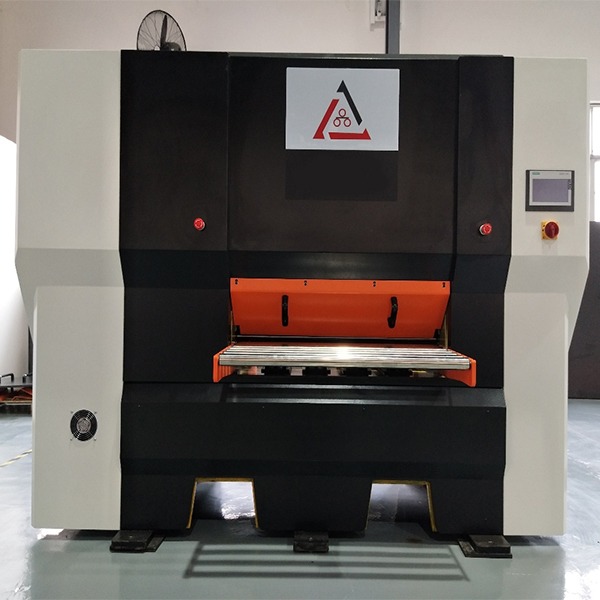
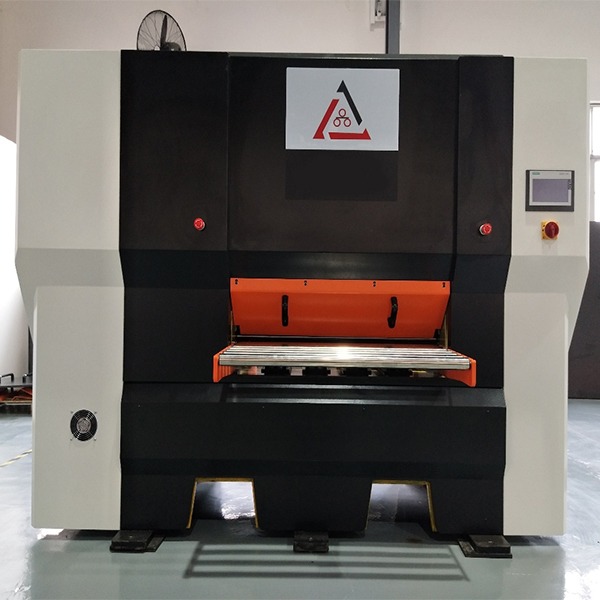
At its simplest level, a Manual Leveling Machine is a mechanical system designed to flatten metal sheets or strips by passing them through a series of staggered rollers. Unlike fully automated CNC systems, the manual variant allows for tactile control and precise mechanical adjustments, making it a favorite for specialized workshops and diverse material batches.
The fundamental principle involves subjecting the metal to repeated bending. As the material moves between the upper and lower rollers, it undergoes controlled deformation. By exceeding the material yield point slightly, the machine resets the internal grain structure, effectively neutralizing the stresses that cause curling or bowing.
Industry Insight: At XINLIJIN, we focus on the relationship between roller diameter and material thickness. Whether you are handling 0.3mm foil or 15mm heavy plate, the configuration of your Manual Leveling Machine determines the quality of the final output.
Advanced Solutions: The XINLIJIN Product Hierarchy
XINLIJIN provides a versatile range of leveling solutions tailored to specific material demands. Understanding which Manual Leveling Machine fits your needs requires a deep dive into our specialized series:
20 & 30 Series
Designed for ultra-thin and precision materials ranging from 0.3mm to 2.0mm. These machines are essential for industries like electronics and mesh sheet production where surface integrity is paramount.
40, 50 & 60 Series
The workhorses of the sheet metal processing industry. Handling thicknesses from 0.8mm to 6.0mm, these models offer the perfect balance of power and precision for general manufacturing.
80 to 120 Series
Heavy-duty solutions for materials up to 15mm thick. These machines utilize robust roller structures to release extreme internal stress in thick plates used in construction and heavy machinery.
The Science of the Bauschinger Effect
One of the most critical scientific phenomena in metal straightening is the Bauschinger effect. When a Manual Leveling Machine bends a material in one direction and then the other, the yield strength of the material changes. Our engineers at XINLIJIN leverage this effect to ensure that internal stresses are not just moved, but entirely released. This results in a stable part that will not "spring back" after it is cut or machined.
Why XINLIJIN is Your Trusted Leveling Partner
Choosing a Manual Leveling Machine is an investment in your company's future efficiency. XINLIJIN stands out as a premier manufacturer for several reasons:
-
Innovative Structure: We offer both 4-high and 6-high roller configurations. Our 6-high structure provides additional support rollers to prevent work roller deflection, ensuring consistent flatness across the entire width of the sheet.
-
Internal Stress Release: Our machines are specifically engineered as internal stress released machine solutions. This is vital for high-precision components that require dimensional stability.
-
Material Versatility: From mesh sheets to raw steel plates, our equipment is adaptable to various industries, including automotive, aerospace, and construction.
We invite customers to visit our facility and witness the performance of our precision leveling machines firsthand. Our commitment to quality is backed by rigorous testing and a transparent manufacturing process.
Frequently Asked Questions (FAQ)
Q: How do I choose the right Manual Leveling Machine for my thickness?
A: It depends on your range. For example, if you process 1mm to 4mm materials, our 50 Series is ideal. We recommend selecting a machine where your most common thickness sits in the middle of the machine's capacity range.
Q: What is the difference between a 4-high and a 6-high leveler?
A: A 4-high machine uses two layers of rollers, while a 6-high machine adds intermediate rollers to protect the work rollers from marking sensitive materials and to provide greater rigidity.
Q: Can a manual machine achieve the same precision as a CNC machine?
A: Yes, in the hands of a skilled operator. While CNC offers automation, a high-quality Manual Leveling Machine from XINLIJIN features precision adjustment scales that allow for extreme accuracy.
Q: How often does the machine require maintenance?
A: Regular lubrication of the bearings and cleaning of the rollers are the primary requirements. Our machines are built for industrial longevity with minimal maintenance needs.
Ready to Optimize Your Metal Processing?
Contact our technical experts today for a free consultation or to request a quote on a custom Manual Leveling Machine.
XINLIJIN - Leading Straightening Machine Manufacturer for Modern Metal Fabrication.
© 2026 XINLIJIN Leveling Technology. All Rights Reserved. About Us | Technical Articles
Recent News