
Understanding Straightener Machine Applications in Sheet Metal Production Lines
Understanding Straightener Machine Applications in Sheet Metal Production Lines
Discover how precision leveling technology from XINLIJIN transforms raw metal coils into high-quality, stress-free flat sheets for demanding industrial sectors.
The Critical Challenge in Modern Metal Fabrication
In the fast-paced world of manufacturing, consistency is the bedrock of profitability. However, many fabricators operating Sheet Metal Production Lines face a persistent and costly enemy: material deformation. Whether it is coil set, crossbow, or hidden internal stresses, these imperfections can lead to catastrophic failures in downstream processes such as laser cutting, robotic welding, and automated assembly.
How much time does your team waste on manual rework or machine downtime due to warped parts? For many, the answer is "too much." This is where the integration of a high-performance straightener machine becomes a game-changer. By addressing the root cause of material instability, XINLIJIN provides the technical backbone needed to ensure every millimeter of metal meets the highest standards of flatness.
In this comprehensive guide, we will explore the pivotal role of leveling technology within Sheet Metal Production Lines and how choosing the right equipment can significantly increase your operational efficiency.
The Fundamentals of Sheet Metal Production Lines
A standard production line typically involves several stages: decoiling, straightening, feeding, and then cutting or stamping. Each of these stages introduces or reveals stresses within the material. Metal coils, by their very nature, retain a "memory" of their curved shape, commonly known as coil set. Without a dedicated straightening machine, this memory causes the material to spring back after processing, leading to inaccurate dimensions and poor surface quality.
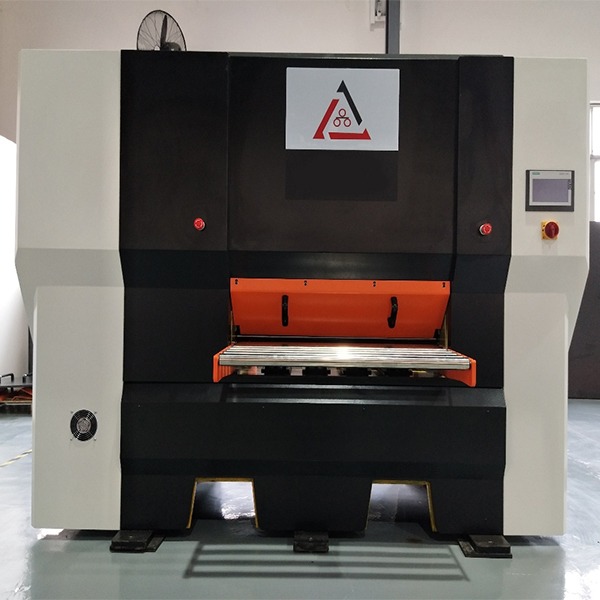
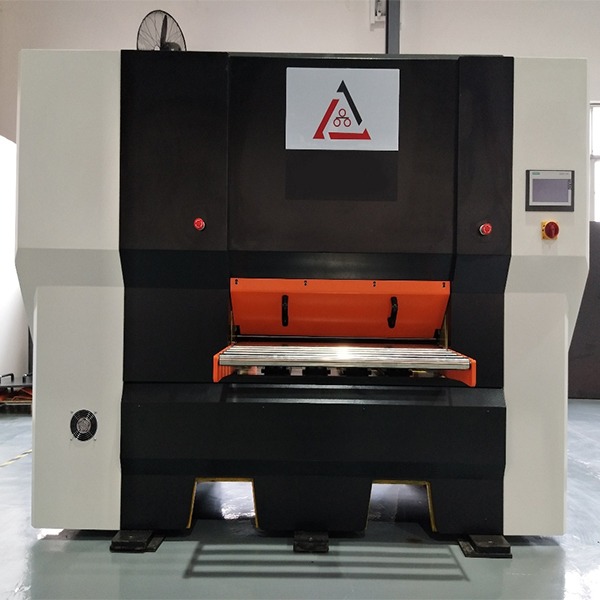
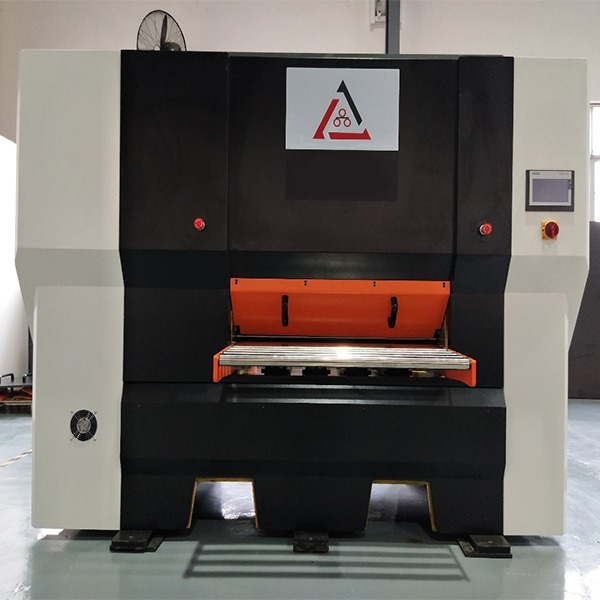
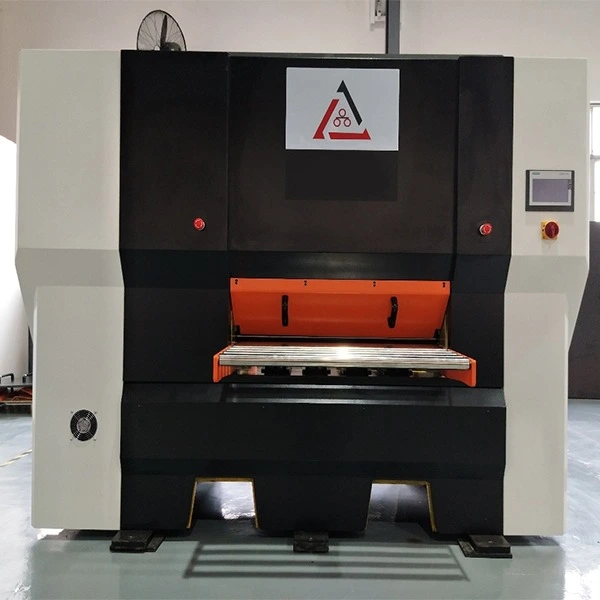
XINLIJIN specializes in precision leveling solutions that go beyond simple flattening. Our machines are designed to release internal stresses through a process of controlled plastic deformation. By passing the metal through a series of staggered rollers, we eliminate the elastic-plastic discrepancies that cause warping, ensuring a neutral, stable state for the sheet.
Comprehensive Leveling Solutions for Every Thickness
One of the core strengths of XINLIJIN is our diverse product range, tailored to the specific requirements of various Sheet Metal Production Lines. We understand that a machine used for delicate electronics housing requires different specifications than one used for heavy industrial structural components.
Thin Material Precision
Our 20 Series Precision Leveler is designed for materials between 0.3mm and 1.5mm. It is ideal for industries where surface finish and micro-flatness are non-negotiable.
Versatile Mid-Range
The 50 Series handles 1.0mm to 4.0mm thickness, providing the perfect balance for general metal processing workshops.
Heavy-Duty Leveling
For structural steel and thick plates, our 120 Series manages thicknesses up to 15.0mm, ensuring stability in massive production environments.
Integrating these systems into your Sheet Metal Production Lines allows for an automated flow that reduces labor costs and maximizes material yield. Whether you are dealing with stainless steel, aluminum, or high-tensile alloys, XINLIJIN technology adapts to the specific yield point of the material.
The Science of Flatness: 4-High vs. 6-High Structures
To achieve professional-grade results in Sheet Metal Production Lines, understanding the machine's internal architecture is vital. We often assist clients in deciding between different roller configurations to meet their precision goals.
- 4-High Configuration: Consists of leveling rollers and support rollers. This is the standard for most straightening applications, providing excellent results for a wide range of materials.
- 6-High Configuration: Adds an intermediate layer of rollers to further distribute pressure and prevent roller deflection. This is essential for high-reflectivity or sensitive surface materials where "roller marks" must be avoided. Learn more about the difference between 4-high and 6-high levelers.
Furthermore, our technology leverages the Bauschinger effect. By subjecting the material to alternating bends, we reduce the yield strength in the opposite direction of the initial deformation, allowing for much more effective leveling than a simple press or single-bend straightener could ever achieve.
Why Industry Leaders Trust XINLIJIN
Based on our experience serving hundreds of international clients, the benefits of upgrading your Sheet Metal Production Lines with XINLIJIN equipment include:
- Increased Productivity: Faster setup times and automated CNC controls mean more throughput per shift.
- Waste Reduction: Eliminate scrap caused by "oil canning" or edge wave defects.
- Downstream Precision: Perfectly flat sheets lead to faster laser cutting and higher-quality welds.
- Reliability: Heavy-duty construction ensures 24/7 operation in demanding environments.
Frequently Asked Questions
Q: How do I choose the right machine for my production line?
A: Selection depends on your material type, maximum thickness, and width. Our technical team provides free consultations to match a machine to your specific Sheet Metal Production Lines requirements.
Q: Can XINLIJIN machines handle high-tensile strength steel?
A: Yes. Our precision levelers are engineered with robust frames and high-torque drives specifically to manage the internal stresses of high-yield materials.
Q: What is the typical lead time for delivery?
A: Depending on the series and customization needs, lead times typically range from 4 to 8 weeks. We also keep standard models in stock for rapid deployment.
Ready to Optimize Your Production?
Contact XINLIJIN today for a customized quote and technical analysis of your metal straightening needs.
© 2026 XINLIJIN Precision Leveling Machinery. All Rights Reserved. Specialized in high-performance solutions for Sheet Metal Production Lines.
Recent News