
Understanding the Bauschinger Effect in Metal Straightening Machine Processes
Understanding the Bauschinger Effect in Metal Straightening Machine Processes
Mastering precision leveling by leveraging the physics of material science and advanced machine engineering.
The Hidden Science of Metal Flatness
In the high-precision world of metal fabrication, achieving a perfectly flat sheet is often more complex than it appears. Manufacturers frequently encounter issues where materials spring back or retain hidden tensions after processing. This phenomenon is deeply rooted in material science, specifically involving the Bauschinger Effect. For companies like XINLIJIN, understanding this effect is not just a theoretical exercise but a practical necessity for designing the world's most efficient metal straightening machines.
When a metal is subjected to plastic deformation in one direction and then subsequently loaded in the opposite direction, its yield strength changes. This is the essence of the Bauschinger Effect. If your production line suffers from inconsistent flatness or unpredictable material behavior during laser cutting or stamping, you are likely battling internal stresses that haven't been properly addressed. This guide will explore how modern leveling technology utilizes these physical principles to deliver flawless results.
What is the Bauschinger Effect?
The Bauschinger Effect refers to a property of materials where their elastic limits change following plastic deformation. In simpler terms, if you stretch a piece of metal (tensile loading) until it permanently deforms, and then immediately try to compress it, the metal will begin to yield at a lower stress level than it would have originally.
This occurs because the initial deformation creates a dislocation structure within the metal's microscopic crystal lattice. These dislocations generate "back stress" that opposes further deformation in the original direction but aids deformation in the reverse direction. In the context of sheet metal flattening, this effect is the key to neutralizing residual stress.
How XINLIJIN Levelers Utilize the Bauschinger Effect
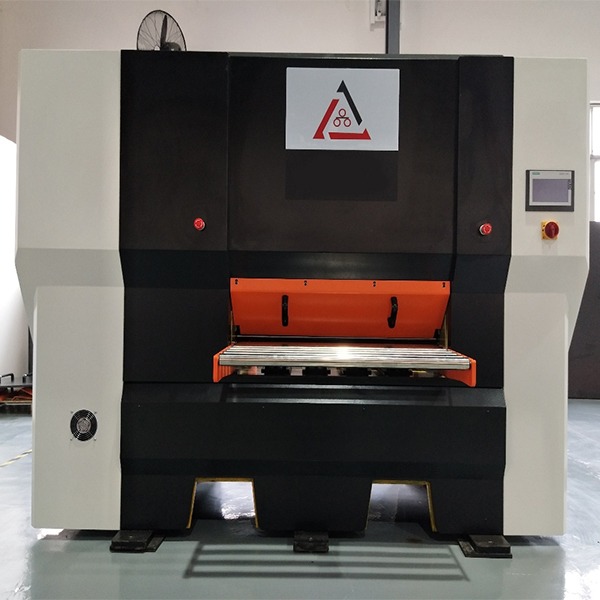
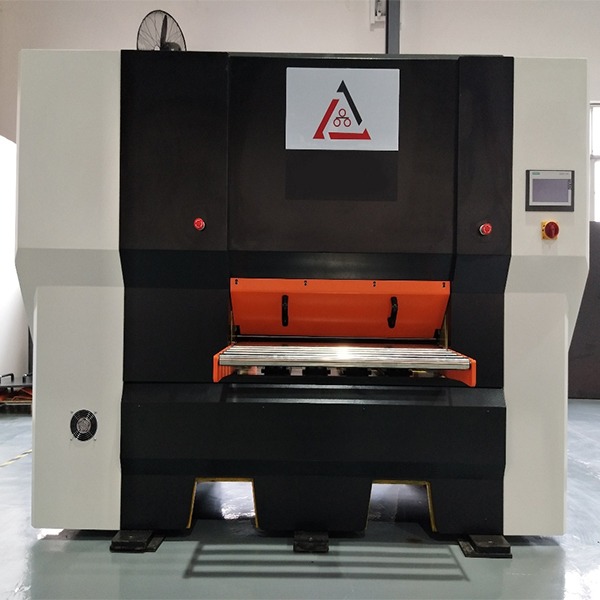
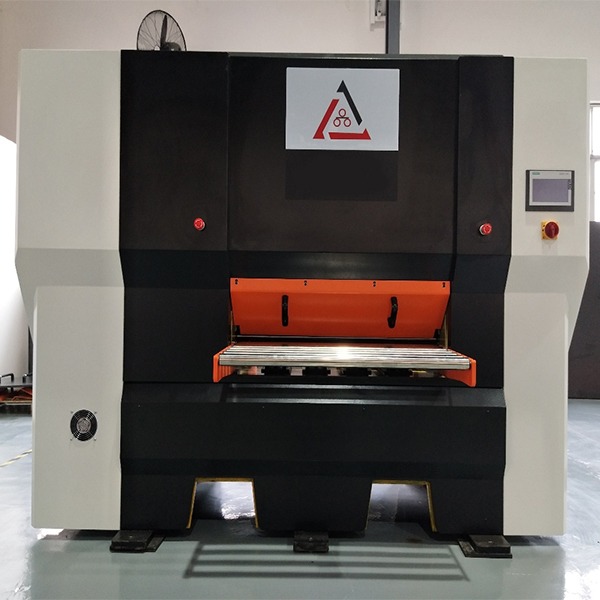
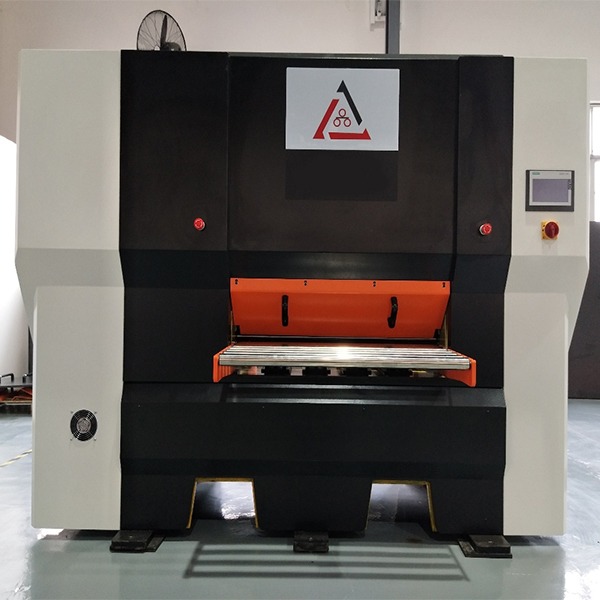
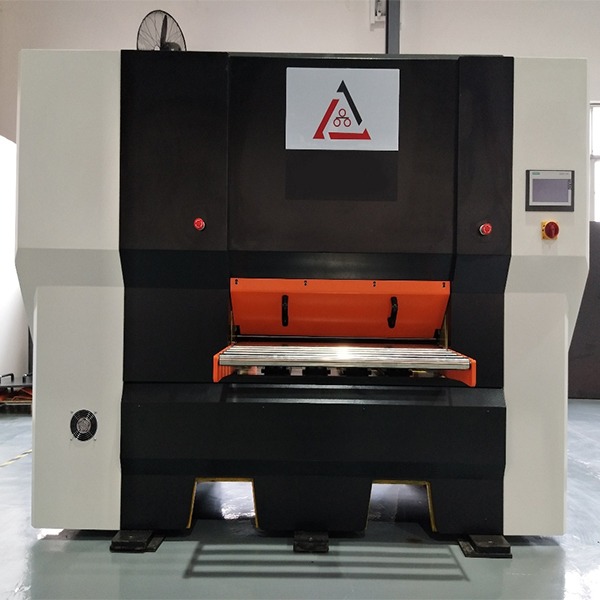
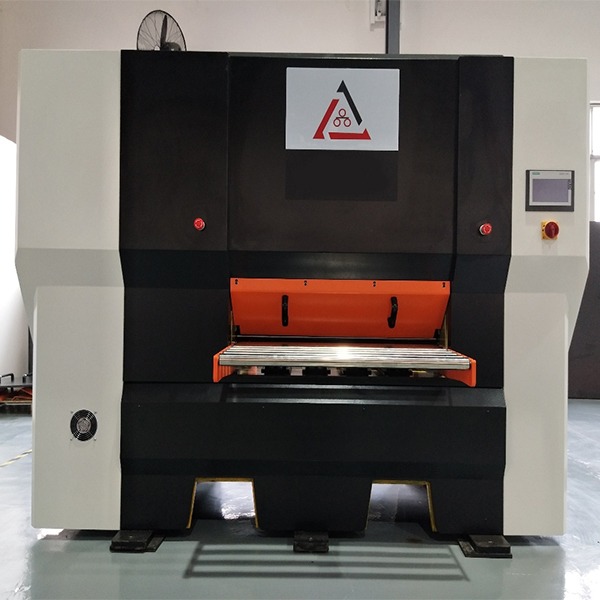
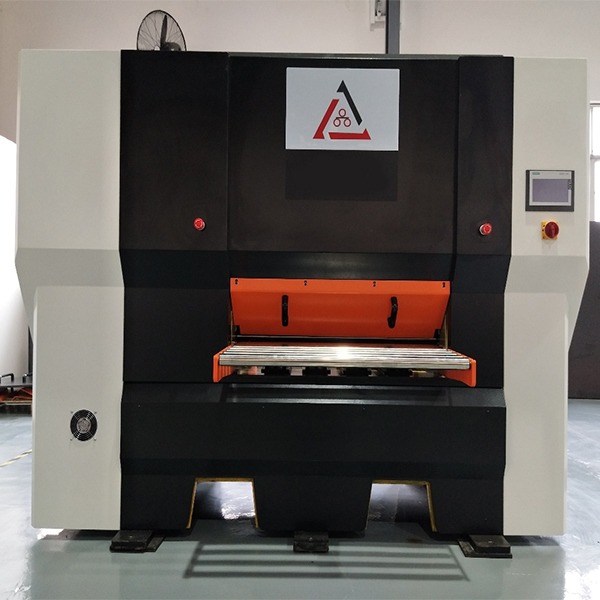
At XINLIJIN, our engineering team designs precision levelers that intentionally subject the material to series of alternating bends. This process is scientifically calibrated to exploit the Bauschinger Effect for maximum stress relief.
1. The Alternating Bending Process
As the metal sheet passes through a roller leveler, it is subjected to alternating tensile and compressive stresses. By bending the material back and forth over a series of rollers, the machine "works" the metal. Because of the Bauschinger Effect, each subsequent bend requires slightly less force to achieve yielding, allowing for a more thorough redistribution of internal stresses.
2. Precision Roller Configuration
The configuration of the rollers is critical. XINLIJIN offers various designs, including 4-high and 6-high structures. You can learn more about these differences in our article on 4-high vs 6-high leveler machines. These configurations ensure that the pressure is applied evenly, preventing surface damage while ensuring the core of the material reaches its yield point.
3. Internal Stress Release
The ultimate goal of using a internal stress released machine is to ensure that the material remains flat even after subsequent processing steps like laser cutting or welding. Without triggering the Bauschinger Effect through systematic leveling, the material would "warp" the moment the outer surface is cut, as the internal tensions find a new equilibrium.
Precision Solutions for Every Thickness
XINLIJIN provides a comprehensive range of machines designed to handle various material requirements.
40 Series
For 0.8mm to 3.0mm materials. The industry standard for versatile fabrication.
View DetailsWhy Trust XINLIJIN for Your Leveling Needs?
With over a decade of specialization in precision leveling technology, XINLIJIN has served hundreds of clients globally, from the mesh sheet industry to high-end automotive parts manufacturers. Our expertise in managing the Bauschinger Effect ensures that our machines do not just flatten the metal; they stabilize it.
Proven Quality: Every XINLIJIN machine undergoes rigorous testing to ensure it meets international standards for flatness and surface integrity.
Frequently Asked Questions
A: By lowering the reverse yield strength, the effect makes it easier for the machine to remove waves and buckles with less energy and fewer passes, speeding up the production cycle.
A: High-strength materials require specifically designed machines that can exert enough force to reach the yield point. XINLIJIN's heavy-duty series are optimized for these challenging materials.
A: Not when using our 6-high precision machines. These include intermediate rollers that support the work rollers, ensuring even pressure distribution and protecting the material's finish.
Ready to Elevate Your Metal Processing Quality?
Don't let internal stress compromise your manufacturing standards. Partner with XINLIJIN for advanced leveling solutions.
Contact our technical experts for a free consultation on how to manage the Bauschinger Effect in your specific application.
© 2026 XINLIJIN Leveling Technology. All Rights Reserved. | Contact Us
Recent News