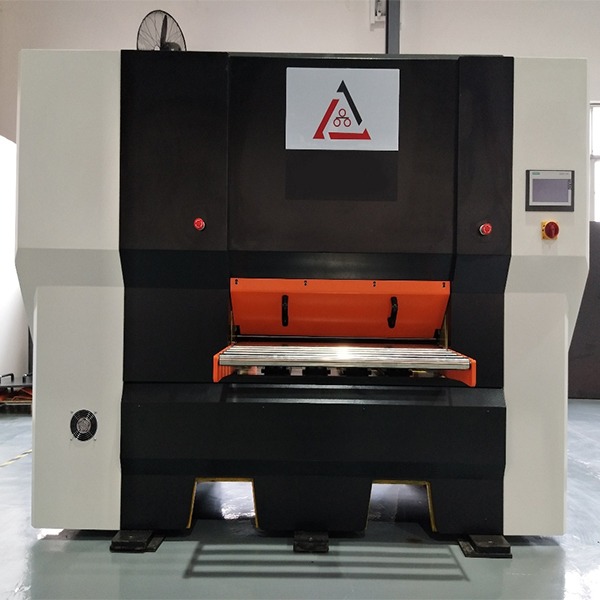

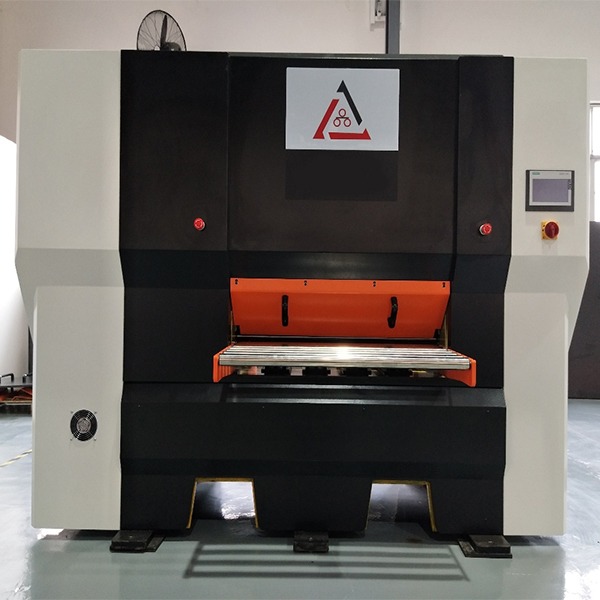
What is a Roller Leveler and How Does It Solve Your Most Common Sheet Metal Flatenning Problems?
In modern manufacturing, achieving perfect flatness is not just an aesthetic requirement; it is a critical necessity for precision downstream processes like laser cutting and robotic welding.
Overcoming the Hurdles of Material Deformation
For many sheet metal fabricators, the struggle with warped, bowed, or stressed materials is a daily reality. Whether you are dealing with coil set from the rolling mill or residual stresses from heat treatment, these imperfections lead to high scrap rates and costly machine downtime. The process of Sheet Metal Flatenning is the primary defense against these production bottlenecks. At XINLIJIN, we understand that traditional straightening methods often fall short when dealing with high-yield materials or complex geometries.
Are you facing issues where parts "pop" out of place after laser cutting? Or perhaps your automated bending cells are failing due to inconsistent material thickness and shape? This guide will explore how advanced roller leveling technology serves as the ultimate solution for these challenges, providing a clear path to superior material quality.
Understanding the Basics of Roller Leveling
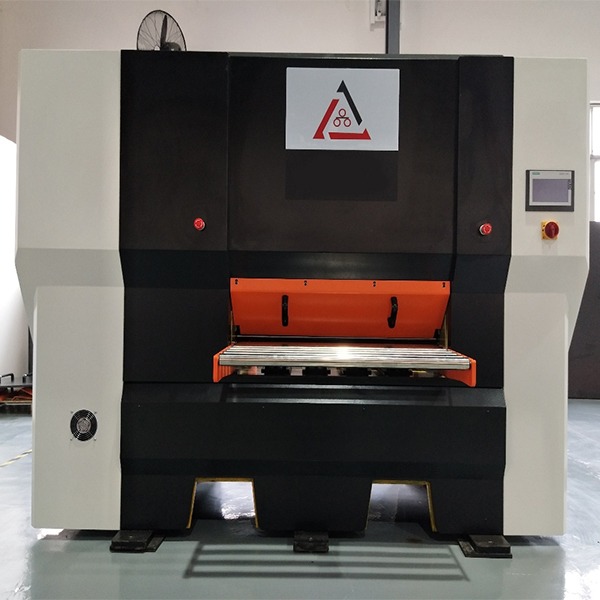
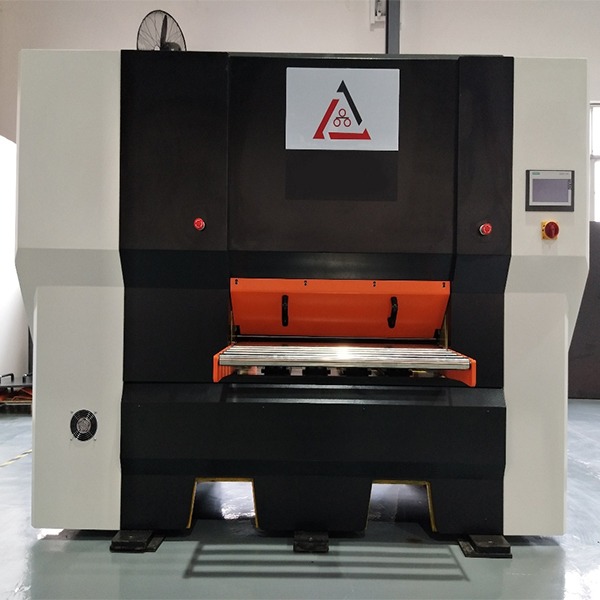
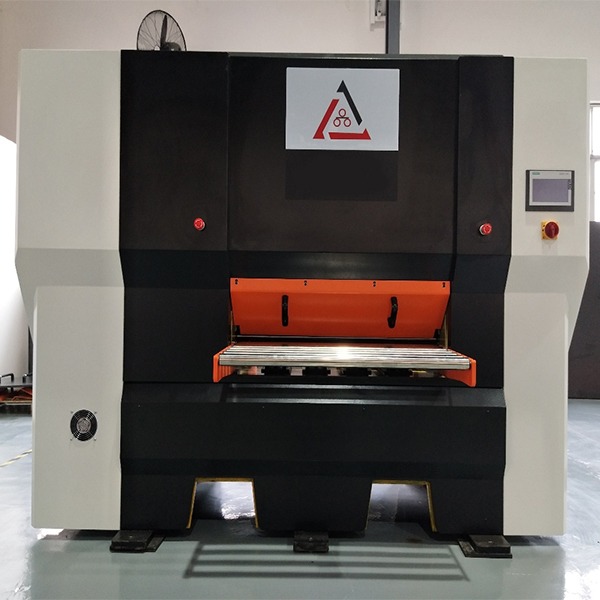
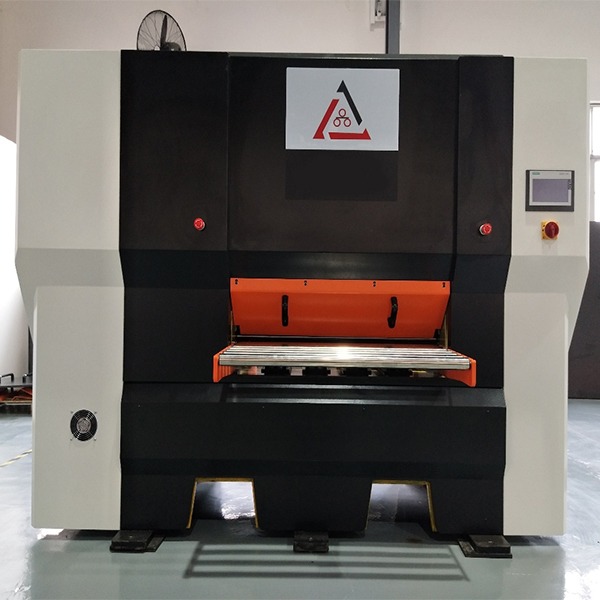
A roller leveler is a specialized machine designed to eliminate shape defects in metal sheets and plates. Unlike simple straightening machines, a precision roller leveler utilizes a series of staggered rollers to subject the material to alternating bends.
This process leverages the Bauschinger effect. By bending the material back and forth beyond its elastic limit, the internal stresses are neutralized, and the fibers are equalized in length. The result is a permanently flat sheet that remains stable during subsequent processing.
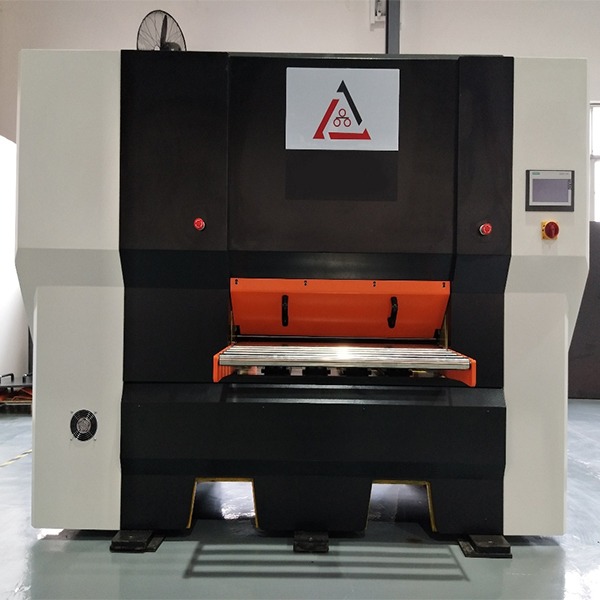
Solving Common Sheet Metal Flatenning Problems
1. Residual Internal Stress
Even if a sheet looks flat, it may contain hidden stresses. Our Internal Stress Released Machine technology ensures that these stresses are fully dissipated, preventing warping after cutting.
2. Coil Set and Crossbow
Materials coming off a coil often retain a curved shape. Through systematic Sheet Metal Flatenning, our machines eliminate longitudinal and transverse curvature across various thicknesses.
3. Surface Imperfections
For delicate materials, XINLIJIN offers 6-high leveler configurations that protect surface finishes while achieving micron-level flatness accuracy.
The XINLIJIN Precision Series
We provide a comprehensive range of leveling solutions tailored to your specific material thickness requirements:
Why Trust XINLIJIN for Your Sheet Metal Flatenning Needs?
Decades of Expertise: Based on our experience serving hundreds of global clients, we understand the nuances of different alloy behaviors.
Request a Sample Test
Not sure if a roller leveler can handle your toughest material? Send us your samples, and we will provide a detailed leveling report and video demonstration.
Contact Our ExpertsFrequently Asked Questions
Q: How does roller leveling differ from traditional straightening?
A: While straightening might only address visible curves, roller leveling focuses on Sheet Metal Flatenning through multiple rollers that equalize internal stresses across the entire cross-section of the material.
Q: What materials can be leveled?
A: Our machines are suitable for a wide range of metals, including cold-rolled steel, aluminum, stainless steel, and high-strength alloys. We provide specific material processing guides for each type.
Q: What is the typical lead time for a custom leveler?
A: Standard models are often in stock, while customized high-precision CNC lines typically have a lead time of 8-12 weeks depending on the complexity of the integration.
Ready to Optimize Your Production?
Don't let poor material flatness hold back your manufacturing efficiency. Effective Sheet Metal Flatenning is the foundation of high-quality metal fabrication. Partner with XINLIJIN and experience the precision of world-class leveling technology.
© 2026 XINLIJIN Precision Machinery Co., Ltd. All rights reserved.
Recent News