
How to Improve Flatness in Steel Sheets Using Industrial Equipment
Discover the professional engineering strategies to release internal stress and achieve precision surface quality in modern metal manufacturing.
The Challenge of Metal Distortion in Fabrication
In the high-precision world of sheet metal fabrication, manufacturers often encounter significant hurdles such as coil set, crossbow, and localized distortions. These defects are not merely cosmetic; they directly impact downstream processes like laser cutting, robotic welding, and CNC bending. If you cannot Improve Flatness at the beginning of your production line, the cumulative errors can lead to increased scrap rates and operational downtime.
At XINLIJIN, we understand that flat material is the foundation of quality. Many engineers struggle with the "spring-back" effect, where a sheet appears flat but warps immediately after being cut. This guide will provide a comprehensive deep dive into the technology required to Improve Flatness effectively using advanced roller leveling systems.
Understanding the Basics of Sheet Metal Flatness
Flatness is defined by the absence of waves, buckles, or curvature in a metal plate. In industrial terms, internal stresses are the hidden enemies of flatness. These stresses are introduced during the milling process, cooling, or uncoiling. To truly Improve Flatness, one must go beyond simple bending and address the molecular structure of the material.
Coil Set: Longitudinal curvature caused by the winding process.
Why Precision Matters
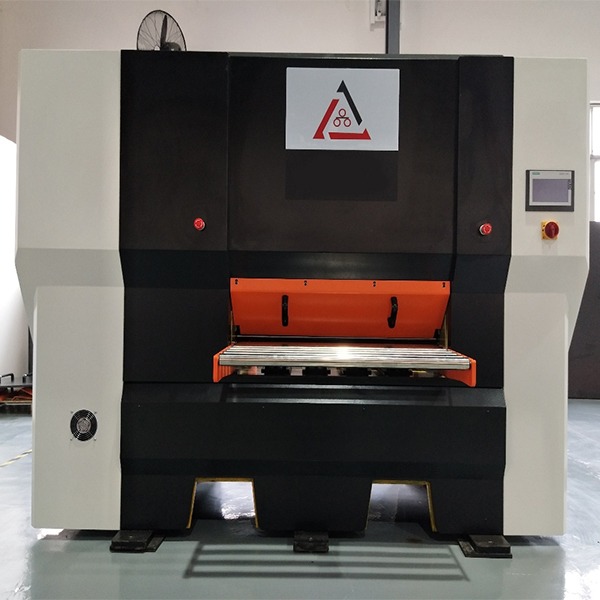
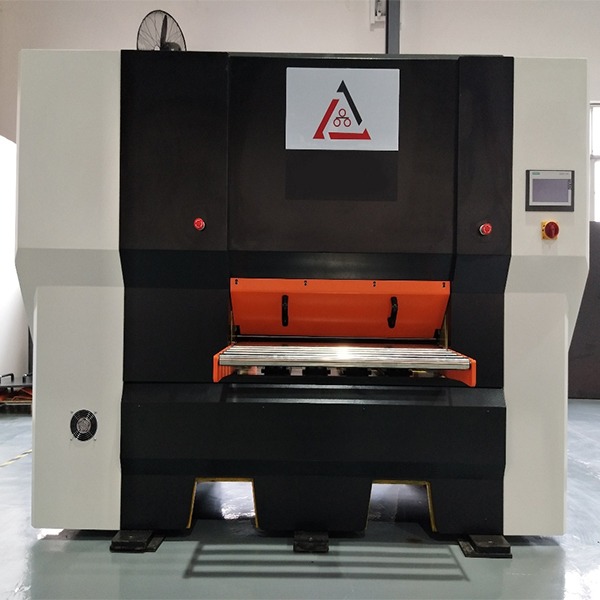
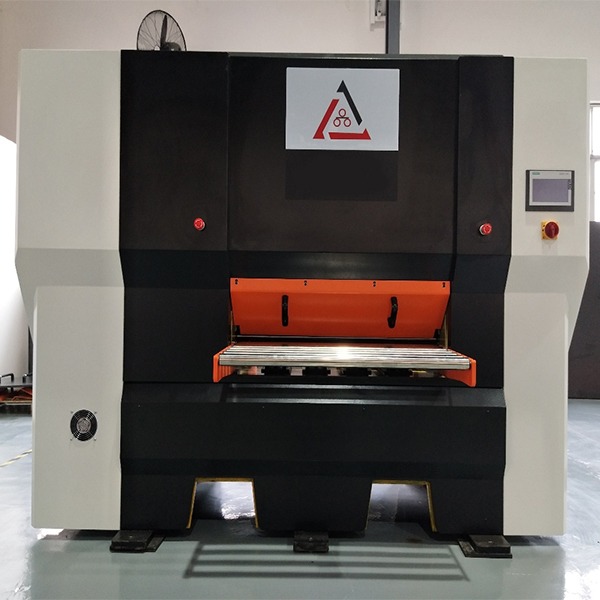
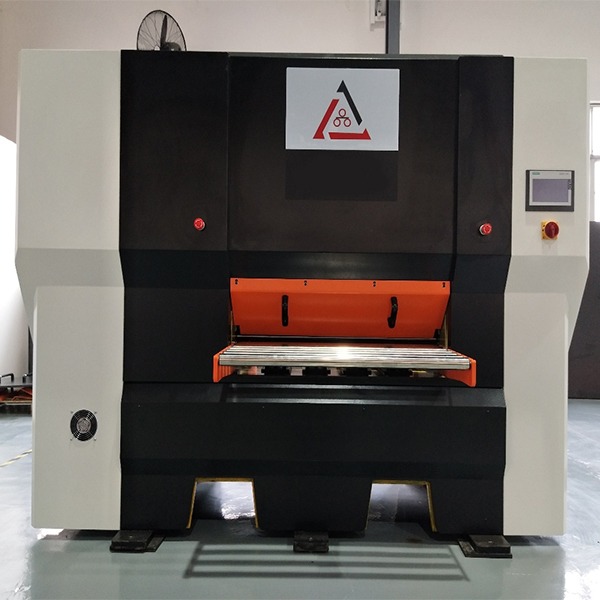
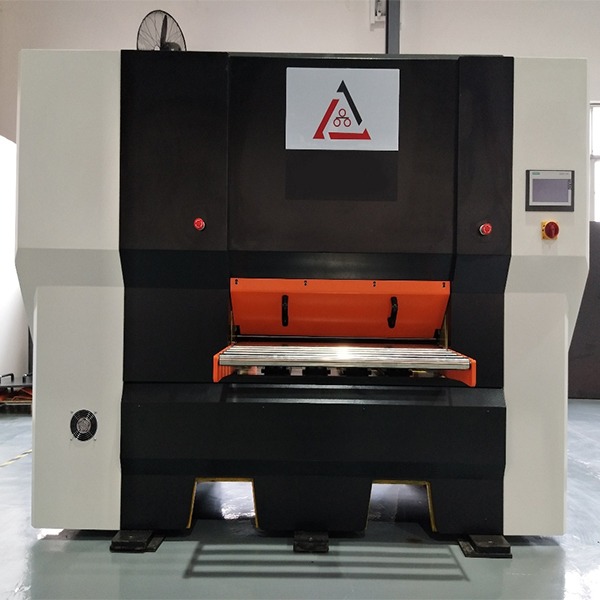
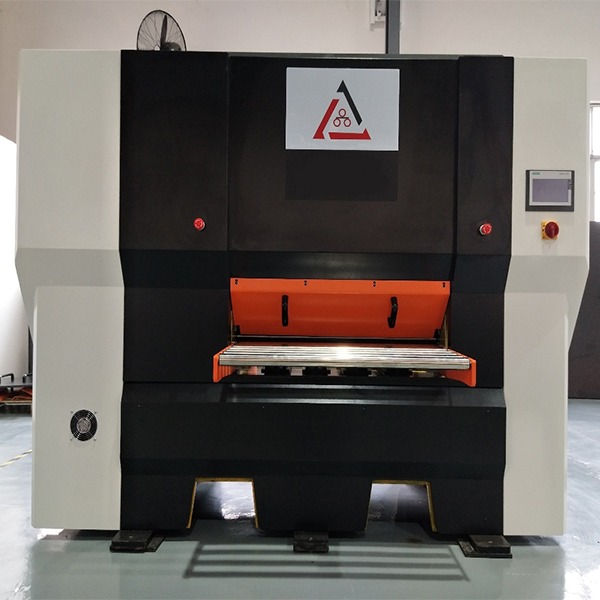
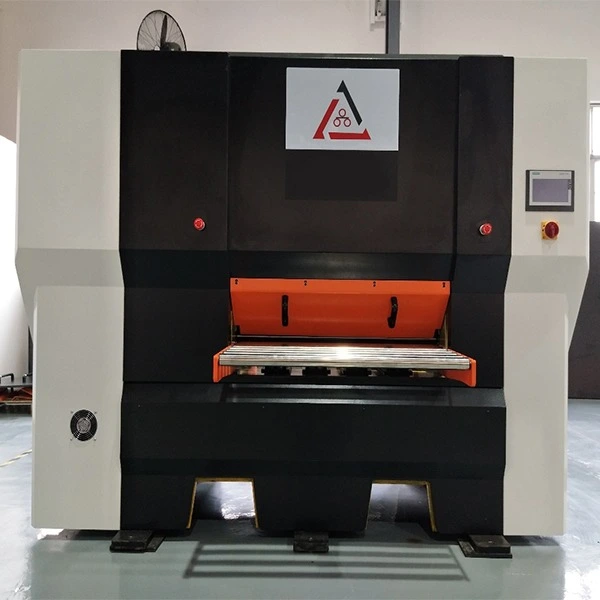
When you use a Precision Leveling Machine, you are not just flattening; you are ensuring that the internal stress released during the process stays released. This prevents the metal from returning to its deformed state after secondary processing.
Strategic Methods to Improve Flatness with XINLIJIN Technology
Achieving the perfect surface requires a combination of mechanical force and scientific precision. Below are the key strategies used by industry leaders to Improve Flatness.
1. The Bauschinger Effect
Our machines leverage the Bauschinger Effect. By subjecting the metal to decreasingly smaller alternating bends, the yield point of the material is reached, allowing for permanent deformation without damaging the surface integrity.
2. Multi-Roll Configuration
Whether utilizing a 4-high or 6-high configuration, the number and diameter of the rollers are critical. For materials between 0.3mm to 1.5mm, our 20 Series provides the density of rollers needed to eliminate micro-distortions.
3. CNC Precision Control
Modern manufacturing demands repeatable results. XINLIJIN’s CNC systems allow operators to store material profiles, ensuring that the parameters used to Improve Flatness for a specific batch can be recalled with the touch of a button.
Step-by-Step: How to Operate a Leveler to Improve Flatness
Step 1: Material Analysis
Measure the thickness and yield strength of the sheet. Different materials require different leveling pressures. For example, thick plates (up to 15mm) require the robust power of our 120 Series.
Step 2: Entering the Gap Settings
Adjust the entry and exit gaps of the roller leveler. The entry gap is typically set smaller than the material thickness to ensure the yield point is reached, while the exit gap is set closer to the actual thickness to stabilize the sheet.
Step 3: Monitoring the Internal Stress Released
Observe the material as it exits. High-quality internal stress released ensures that the sheet will not warp during subsequent laser cutting or stamping operations.
Quantifiable Benefits for Your Workshop
Implementing a professional leveling strategy does more than just Improve Flatness. It transforms your entire production efficiency:
- Reduce Scrap Rates: Eliminate parts that fail quality checks due to warping.
- Protect Machinery: Flat sheets prevent collisions with expensive laser heads.
- Increase Speed: Automated feeding systems work seamlessly with leveled materials.
- Enhanced Aesthetic: Perfect surface quality for high-end consumer products.
Frequently Asked Questions
How many rollers are needed to effectively Improve Flatness?
Generally, the more rollers there are, the better the leveling result. For thin materials, 19 to 21 rollers are common. For thicker plates, fewer but larger rollers are used.
Can leveling machines handle high-strength steel?
Yes. XINLIJIN machines are designed with high-torque drives and reinforced frames specifically to Improve Flatness in high-yield strength materials.
Is the leveling process permanent?
If the material is leveled past its yield point, the change is permanent. This is why releasing internal stress is the core of our technology.
What is the maintenance schedule for a leveler?
We recommend daily cleaning of the rollers and weekly lubrication of the drive system to ensure the machine continues to Improve Flatness consistently over its long lifespan.
Ready to Transform Your Metal Processing Quality?
Don't let internal stress compromise your manufacturing standards. Partner with XINLIJIN and utilize our decades of expertise to Improve Flatness across your entire product line.
XINLIJIN Precision Leveling Machinery - Global Leader in Sheet Metal Straightening Solutions
© 2026 XINLIJIN Leveling. All Rights Reserved. Professional Engineering to Improve Flatness in Industrial Applications.
Recent News