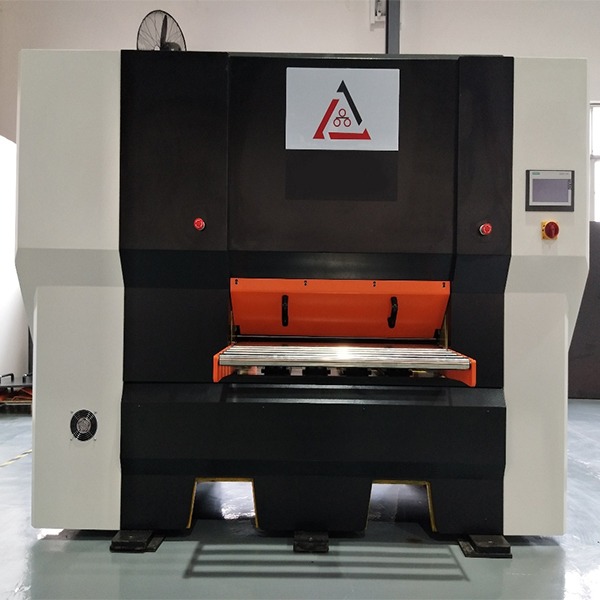

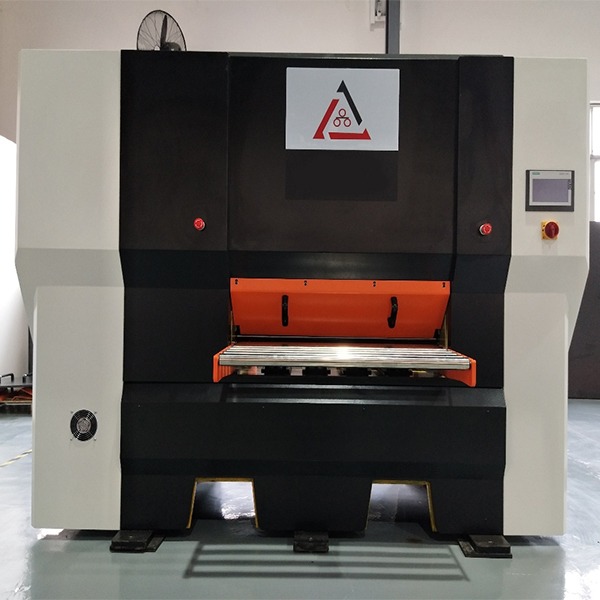
Understanding the Bauschinger Effect in Metal Straightening Operations
An in-depth technical analysis of material behavior during precision leveling and how XINLIJIN technology masters internal stress release.
Introduction: The Hidden Challenge in Metal Fabrication
In the world of high-precision metal manufacturing, achieving a perfectly flat sheet is often more complex than it appears. Many engineers face the frustration of material "springback" or unexpected warping after laser cutting or punching. These issues are rarely due to the cutting process itself but are rooted in the hidden internal stresses of the raw material. To solve these challenges, one must understand a fundamental principle of materials science: the Bauschinger Effect.
At XINLIJIN, we have spent years refining our precision leveling machines to account for this exact phenomenon. Whether you are working with thin foils or heavy plates, the Bauschinger Effect dictates how metal responds to the repeated bending cycles required to achieve industrial-grade flatness. This article provides a comprehensive guide on managing this effect to optimize your production efficiency.
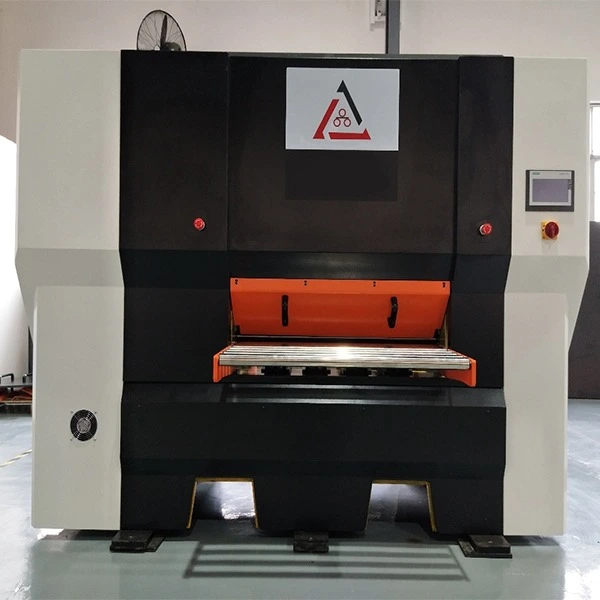
What is the Bauschinger Effect?
The Bauschinger Effect refers to a property of metals where their plastic deformation characteristics change depending on the direction of loading. Specifically, if a metal is first deformed plastically in one direction (tension), its yield strength in the opposite direction (compression) decreases. This asymmetry is critical in the context of roller leveling.
In a standard straightening process, the material is subjected to alternating bends as it passes through the rollers. According to the Bauschinger Effect, each subsequent bend requires a different calculation of force because the "previous" deformation has effectively lowered the threshold for the "reverse" deformation. Without a machine that can precisely control these variables, the material will never truly reach a state of equilibrium.
The Science of Dislocation and Stress
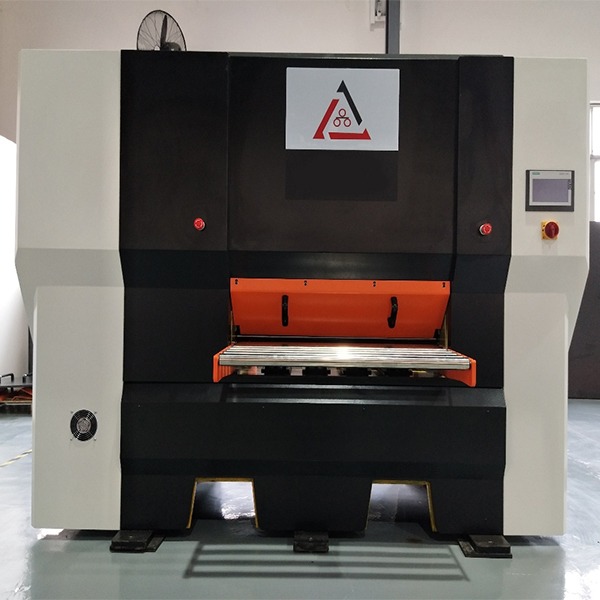
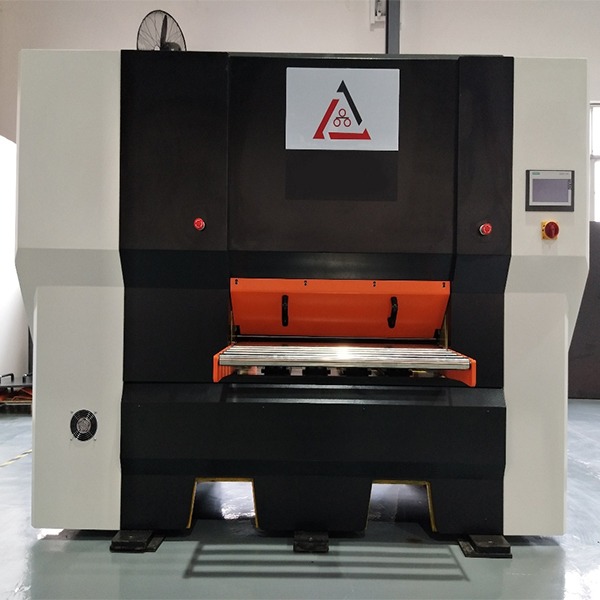
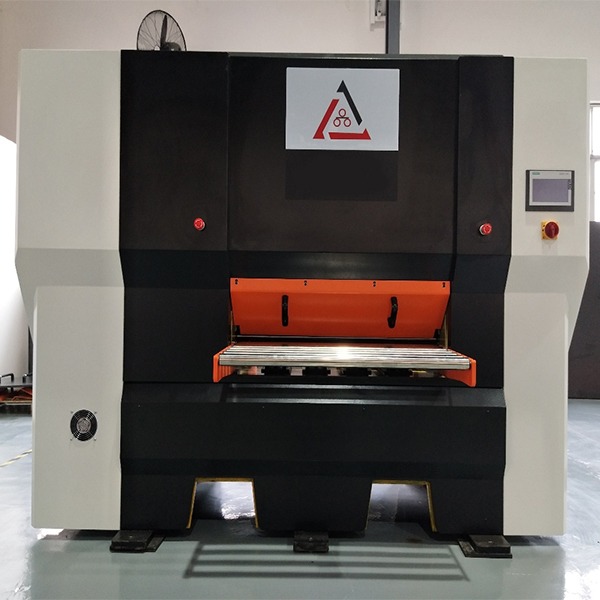
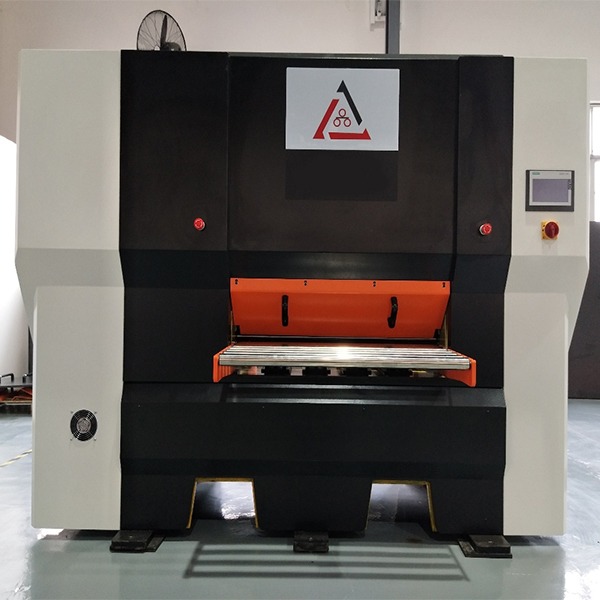
From a microscopic perspective, the Bauschinger Effect occurs because of the accumulation of dislocations at grain boundaries. When the direction of force is reversed, these dislocations can move more easily in the opposite direction, leading to "premature" yielding. XINLIJIN equipment, such as our 40 Series Leveler, is designed to utilize this movement to effectively "erase" the material's memory of its previous stress state.
How XINLIJIN Masters the Bauschinger Effect
Successfully neutralizing the Bauschinger Effect requires a multi-roller approach where the intensity of the bends gradually decreases. This process is known as "decaying alternating bending." Here is how XINLIJIN implements this across our product range:
Precision Roller Geometry
Our 20 Series machines use smaller roller diameters and closer spacing to ensure that even the most subtle Bauschinger Effect reactions in thin materials are captured and corrected.
Advanced CNC Control
By integrating High Precision CNC technology, we can automatically adjust the intermesh of the rollers to compensate for the reduction in yield strength predicted by the Bauschinger Effect.
For thicker materials, such as those handled by our 120 Series, the forces involved are massive. Here, the Bauschinger Effect becomes an ally; by understanding that the material yields more easily on the second and third rollers, we can reduce the energy consumption of the machine while still achieving superior flatness.
Benefits of Professional Internal Stress Release
Utilizing a dedicated internal stress released machine offers several quantifiable advantages for your production line:
Higher Material Yield: Reduce scrap rates by eliminating warping during downstream processes like welding or assembly.
Frequently Asked Questions (FAQ)
How does the Bauschinger Effect affect different metal types?
While present in most metals, the Bauschinger Effect is more pronounced in high-strength steels and aluminum alloys. High-tensile materials require more precise control over roller entry and exit angles to ensure the stress is fully neutralized.
Can XINLIJIN machines handle different thicknesses with the same setup?
While our machines offer significant versatility, we recommend specific series for optimal results. For example, our 60 Series is optimized for 1.0mm to 6.0mm thicknesses, ensuring the pressure is correctly distributed to manage the material's internal stress.
Is it possible to request a testing sample?
Yes. We encourage professional clients to send their materials to our facility for testing. We will provide a detailed report showing the flatness achieved and how our machine successfully managed the Bauschinger Effect in your specific material.
Ready to Achieve Perfect Flatness?
Contact the experts at XINLIJIN today for a free consultation and discover how our leveling technology can revolutionize your production line.
XINLIJIN Precision Leveling Machinery | Leading Manufacturer of Metal Straightening Solutions
© 2026 XINLIJIN. All Rights Reserved. Specialized in CNC Leveling and Internal Stress Release Technology.
Recent News