
Internal Stress Released During CNC Leveling Processes Explained
Internal Stress Released During CNC Leveling Processes Explained
Mastering the science of metal flatness through precision engineering and advanced stress relief technologies by XINLIJIN.
The Hidden Challenge in Metal Fabrication
In the modern metalworking landscape, achieving a perfectly flat sheet is not merely about surface aesthetics; it is about the structural integrity of the material itself. Many manufacturers face the frustrating reality of material warping during subsequent processes like laser cutting or welding. This phenomenon occurs because of the residual forces trapped within the metal. Unless the Internal Stress Released process is effectively managed, high-precision manufacturing remains an elusive goal.
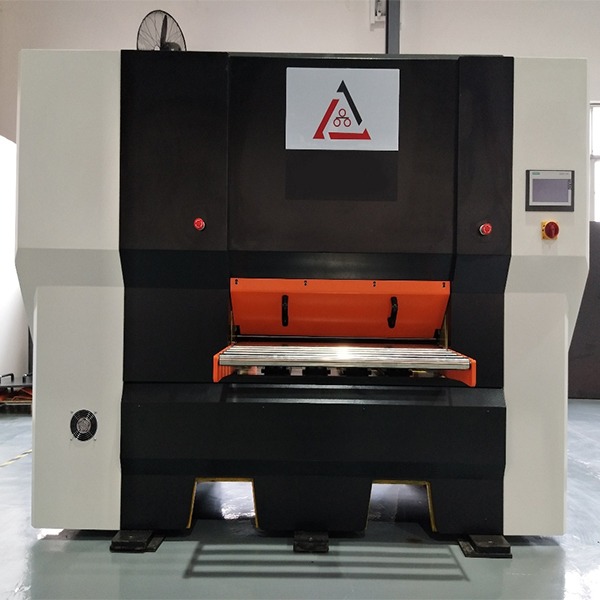
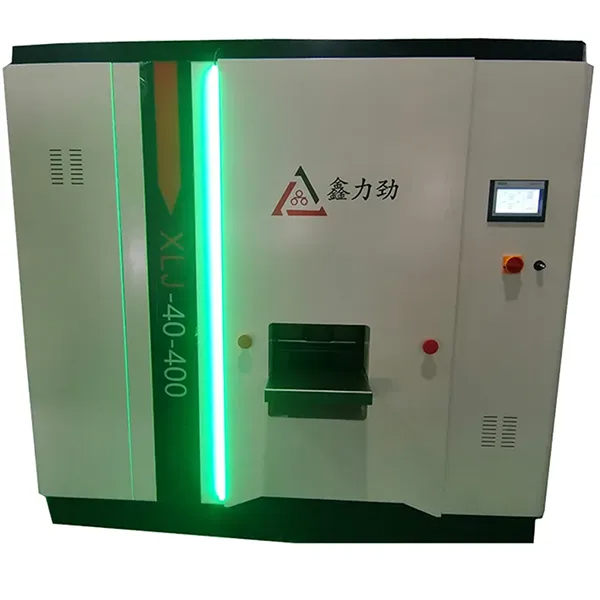
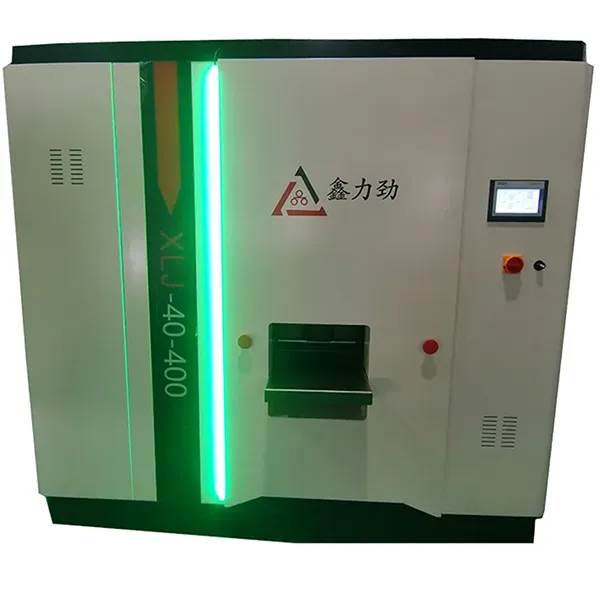
At XINLIJIN, we understand that traditional straightening methods often fail to address these invisible forces. Our precision CNC leveling machines are specifically engineered to ensure that internal stresses are neutralized, providing a stable foundation for your production line.
Understanding Internal Stress in Metal
Internal stress is the result of non-uniform plastic deformation during the raw material's production. Processes such as hot rolling, cold rolling, and cooling create a complex web of tension and compression within the grain structure of the metal.
-
Thermal Stress: Caused by uneven cooling rates across the material thickness.
-
Mechanical Stress: Introduced during slitting, punching, or rolling operations.
When you have Internal Stress Released correctly through a roller leveler, the material reaches a state of equilibrium, preventing the "memory effect" that leads to deformation after cutting.
The Science of CNC Leveling and Stress Relief
XINLIJIN utilizes the Bauschinger Effect to achieve superior flatness. The core of our technology involves subjecting the metal to a series of alternating bends as it passes through the machine. This repeated elastic-plastic deformation is the secret to high-quality results.
How the Process Works:
1. Entry Zone
High-pressure entry rollers apply maximum bending to force the material past its yield point, effectively breaking down the existing stress patterns.
2. Stabilization Zone
The material undergoes decreasing bend radii, which harmonizes the fibers and ensures the Internal Stress Released is uniform across the entire surface.
3. Exit Zone
Final rollers provide a precise flat discharge, resulting in a sheet that remains stable and flat even after intensive CNC processing.
Tailored Solutions for Every Material Thickness
Our range of leveling machines covers the full spectrum of industrial needs, ensuring precision across diverse sectors like the mesh sheet industry and sheet metal processing.
20-30 Series
Optimized for thin materials from 0.3mm to 2.0mm. Ideal for electronics and precision components.
Learn More40-60 Series
The workhorse for medium-duty plates from 0.8mm to 6.0mm, balancing power and precision.
Learn More80-120 Series
Heavy-duty solutions for plates up to 15mm. Built for structural engineering and heavy machinery.
Learn MoreWhy XINLIJIN is the Industry Benchmark
With decades of experience as a leading straightening machine manufacturer, we have refined our technology to solve the most complex flatness issues. Our expertise ensures that every client experiences the tangible benefits of Internal Stress Released technology.
- Unmatched Customization: We tailor our 4-high and 6-high structures to your specific material properties.
- Rigorous Quality Control: Every machine undergoes intensive load testing before shipment to guarantee longevity.
- Expert Support: Our team provides on-site training and technical guidance to maximize your ROI.
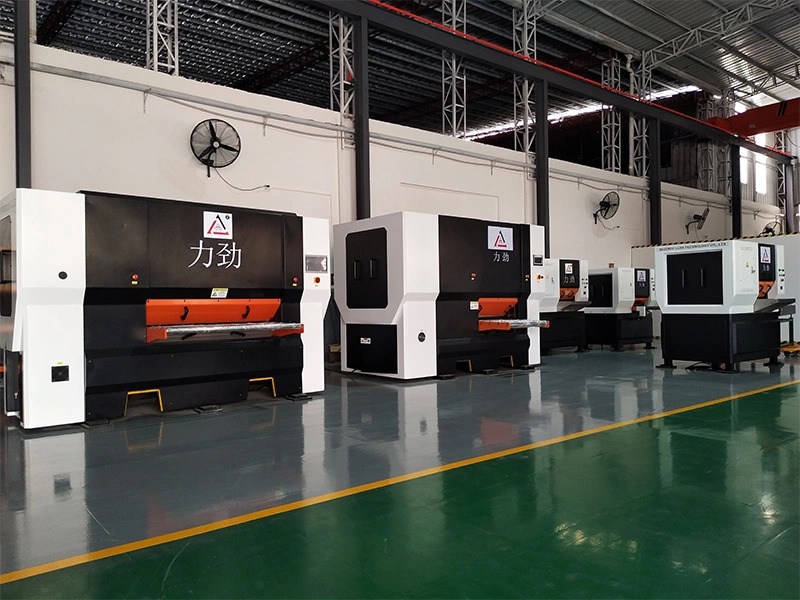
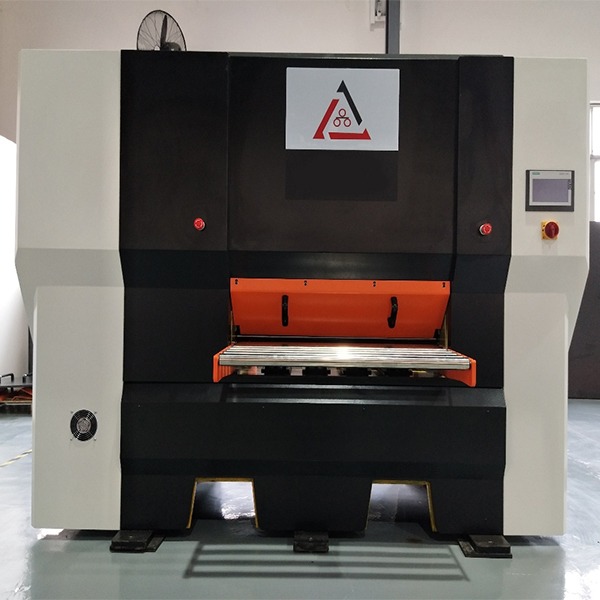
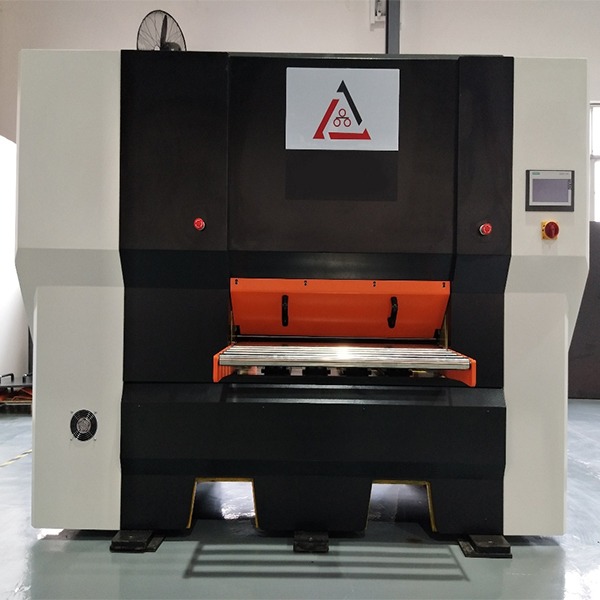
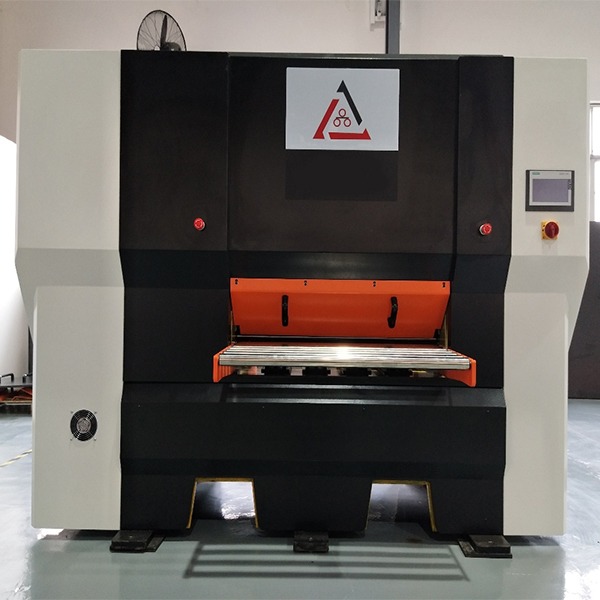
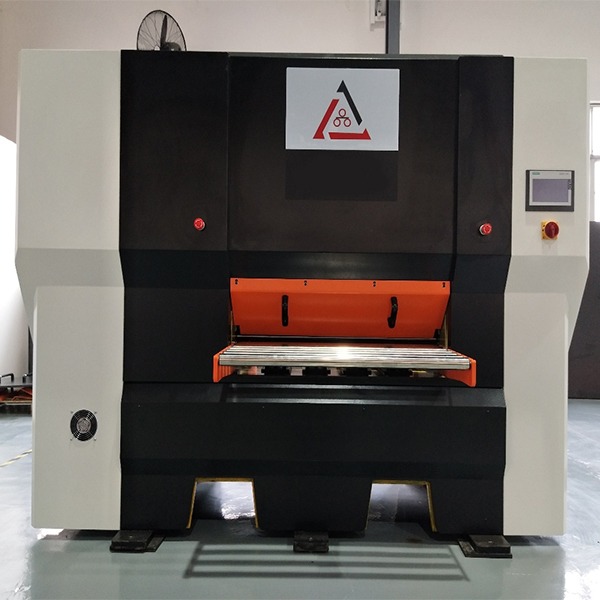
Precision engineering in action at our state-of-the-art facility.
Frequently Asked Questions
How does leveling improve laser cutting efficiency?
When the Internal Stress Released during the leveling process, the sheet remains perfectly flat when the laser cuts individual shapes. This prevents parts from "springing up" and striking the laser head, reducing downtime and waste.
What is the difference between a 4-high and 6-high leveler?
A 4-high leveler uses a simpler roll configuration, while a 6-high leveler includes intermediate rolls to provide even better surface protection and pressure distribution. You can read our detailed guide on the difference between 4-high and 6-high leveler machines.
Can XINLIJIN machines handle high-tensile strength materials?
Yes. Our CNC leveling machines are designed with high-torque drives and reinforced frames specifically to manage the high yield points of modern alloys and high-tensile steel.
Unlock Perfect Flatness Today
Don't let residual stress compromise your quality. Partner with XINLIJIN for advanced leveling solutions.
© 2026 XINLIJIN Precision Leveling Technology. All Rights Reserved.
Expert Internal Stress Released Machine Exporter for Global Manufacturing.
Recent News