

Leveling Machine Selection Guide: CNC vs. Manual vs. Hydraulic
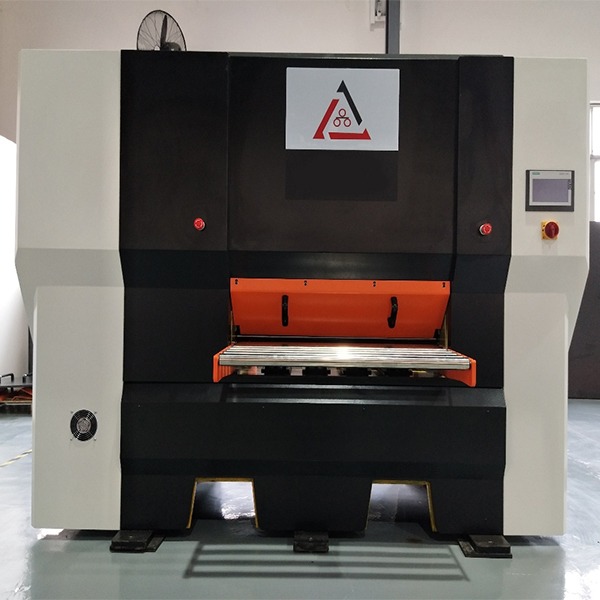
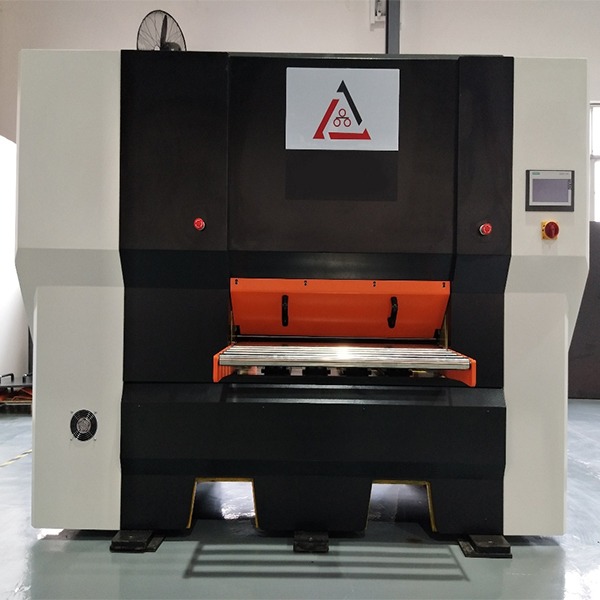
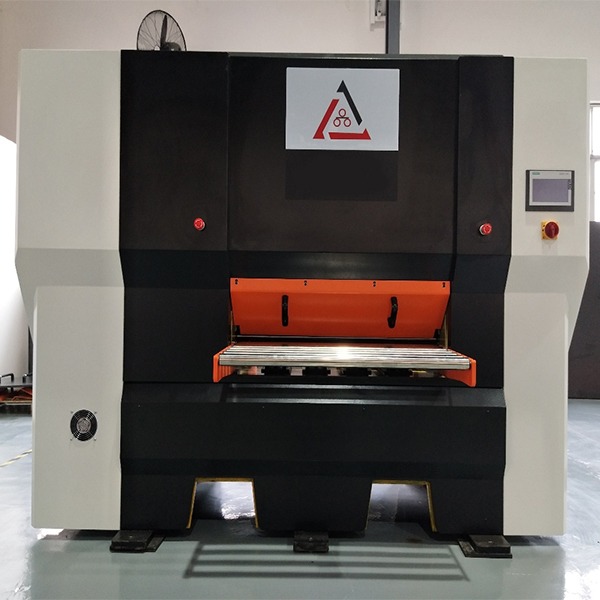
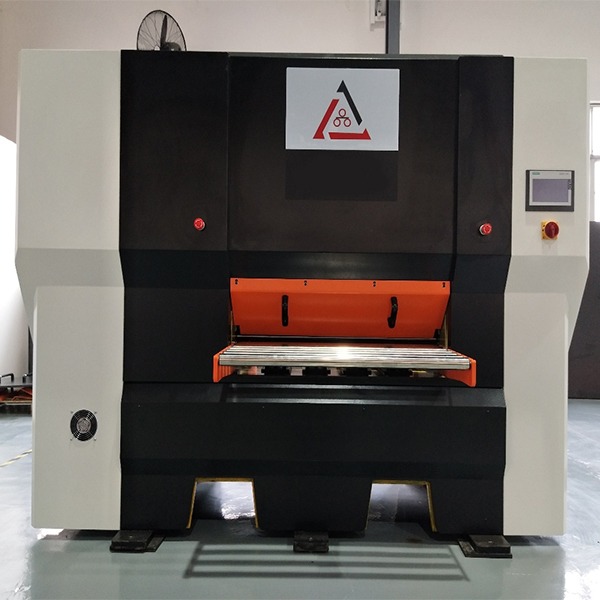
Leveling Machine Selection Guide: CNC vs. Manual vs. Hydraulic
Master the art of sheet metal flatness with XINLIJIN comprehensive industry analysis for precision manufacturing.
The Challenge of Modern Metal Fabrication
In the high-stakes world of precision metal processing, manufacturers often face a silent but costly enemy: internal stress. Whether it is coil set, crossbow, or twist, material defects can lead to significant downtime, tool damage, and high scrap rates during subsequent laser cutting or welding processes. If you find your production line struggling with inconsistent flatness or if your automated systems are frequently pausing due to material warp, you are likely missing a critical component in your workflow.
The core question is no longer whether you need a Leveling Machine, but rather which technology—CNC, Manual, or Hydraulic—aligns with your specific material thickness and production volume. This guide will provide a deep dive into these technologies, helping you transform your sheet metal processing from a variable struggle into a predictable, high-quality output.
What you will learn in this guide:
- The fundamental science behind the Bauschinger Effect in leveling.
- Technical comparisons between CNC and manual adjustment systems.
- Practical checklists for selecting the right roller leveler series.
Understanding the Leveling Machine Fundamentals
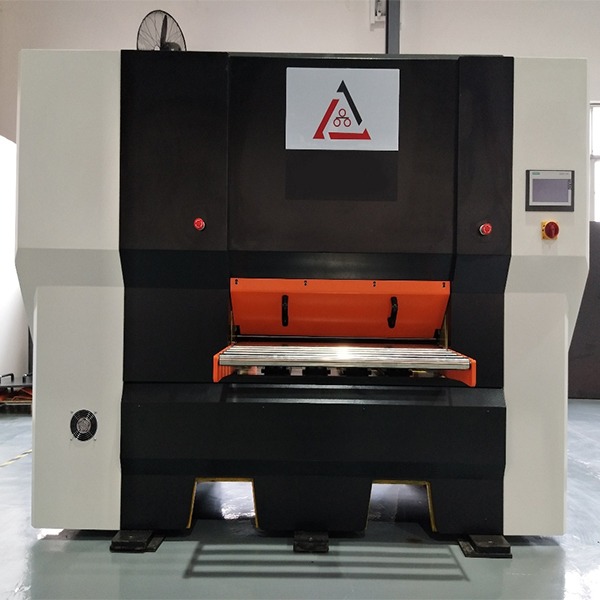
A Leveling Machine is not merely a set of rollers; it is a precision instrument designed to manipulate the molecular structure of sheet metal. At its core, the process involves passing the material through a series of alternating bends. By subjecting the metal to precisely controlled plastic deformation, the machine "stretches" the shorter fibers of the material until they match the longer fibers, effectively neutralizing internal stresses.
The Role of the Bauschinger Effect
To achieve high-quality flatness, one must understand the Bauschinger effect. During the leveling process, as the material is bent back and forth, its yield strength changes. A professional roller leveler leverages this phenomenon to ensure that the material remains flat even after subsequent processing steps like punching or heat treating. Without this stress release, your parts may "spring back" into a warped shape once they are removed from the machine.
Why 4-High vs. 6-High Matters
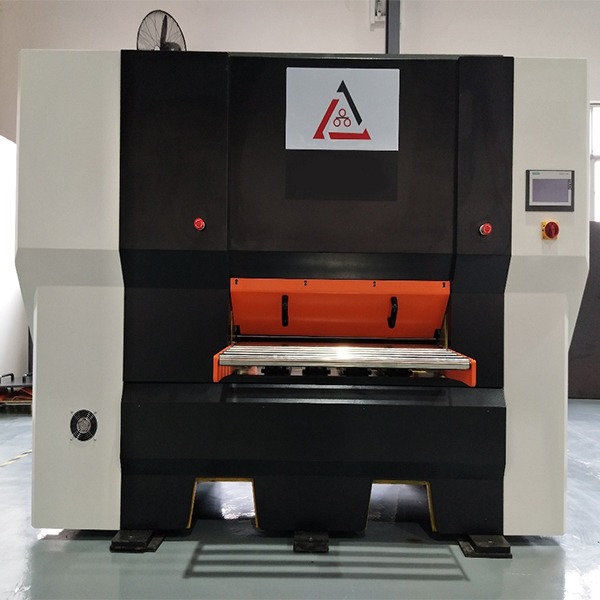
When selecting a machine, the roller configuration is paramount. A 4-high leveler machine utilizes work rolls and back-up rolls, while a 6-high configuration adds intermediate rolls to prevent marking on sensitive surfaces. This is a critical consideration for stainless steel or aluminum materials where surface aesthetics are as important as flatness.
Comprehensive Technology Comparison: CNC vs. Manual vs. Hydraulic
Choosing the right drive and control system for your Leveling Machine depends on your operational complexity and precision requirements.
1. High-Precision CNC Leveling Machines
For industries requiring micron-level accuracy, such as aerospace or automotive, a high precision CNC leveling machine is the gold standard. These machines feature automated gap adjustment, material databases, and programmable logic controllers (PLC).
- Key Advantage: Repeatability. Once a material profile is saved, the operator can recall the settings instantly, reducing setup time by up to 80%.
- Smart Integration: Easily integrates into a decoiler straightener feeder system for full automation.
2. Hydraulic Leveling Systems
Hydraulic machines are the workhorses of the heavy plate industry. If your facility processes materials exceeding 10mm in thickness, hydraulic force is necessary to overcome the high yield strength of the metal. These systems provide constant pressure and overload protection, ensuring the machine frame remains rigid under extreme stress.
3. Manual Leveling Machines
Ideal for smaller workshops or specialized production runs, manual levelers rely on hand-wheel adjustments. While they require more operator skill to "feel" the material, they offer a lower entry cost and simpler maintenance for non-continuous production environments.
Why XINLIJIN Leads the Metal Straightening Industry
At XINLIJIN, we have spent decades perfecting the science of sheet metal flattening. Our machines are engineered to handle a diverse range of thicknesses, ensuring every manufacturer finds their perfect fit:
20 Series
Thickness: 0.3-1.5mm
View Details
50 Series
Thickness: 1.0-4.0mm
View Details
80 Series
Thickness: 2.0-8.0mm
View Details
120 Series
Thickness: 5.0-15.0mm
View Details
Our Commitment to Quality
Every XINLIJIN Leveling Machine undergoes rigorous testing. We specialize in internal stress released technology, ensuring that your parts remain stable throughout their lifecycle. Our manufacturing process follows ISO standards, and we provide comprehensive technical support from installation to maintenance.
Frequently Asked Questions
Q: How do I know if I need a 4-high or 6-high leveling machine?
A: If you are processing heavy structural steel where surface marks are not a concern, a 4-high machine is efficient. However, for polished stainless steel or high-gloss aluminum, a 6-high configuration is recommended to prevent the back-up rolls from leaving visible pressure marks on the material.
Q: Can your machines handle high-strength steel?
A: Yes. XINLIJIN offers specialized metal straightener machine solutions designed specifically for high-yield materials, utilizing reinforced roller frames and advanced hydraulic control.
Q: What is the typical lead time for a custom CNC Leveling Machine?
A: Standard series are often in stock, while customized CNC solutions typically range from 8 to 12 weeks depending on the complexity of the integration requirements.
Achieve Perfect Flatness Today
Contact the experts at XINLIJIN for a free material test and machine consultation.
Or email us directly: sales@xinlijinleveling.com
© 2026 XINLIJIN Leveling Machine Technology Co., Ltd. All Rights Reserved. | About Our Expertise
Recent News