

The Importance of Internal Stress Released for Precision Stamping and Welding
The Importance of Internal Stress Released for Precision Stamping and Welding
Mastering material stability through advanced leveling technology to ensure flawless manufacturing outcomes.
The Invisible Challenge in Metal Fabrication
In the high-precision world of metalworking, manufacturers often encounter a frustrating phenomenon: a sheet of metal appears perfectly flat upon arrival, yet after laser cutting, stamping, or welding, it begins to warp, twist, or "oil-can." This unpredictable behavior is rarely a result of poor handling; rather, it is the manifestation of latent energy trapped within the material. This is where the concept of Internal Stress Released becomes the defining factor between a high-quality component and a scrapped part.
For industries relying on tight tolerances, such as automotive stamping and structural welding, ignoring these hidden forces leads to increased production costs, failed quality inspections, and compromised structural integrity. At XINLIJIN, we specialize in providing the technical solutions necessary to ensure every workpiece achieves a state where Internal Stress Released is fully realized, providing a stable foundation for all subsequent processing steps.
Understanding the Science: What is Internal Stress?
The Origin of Stress
Internal stresses are forces that exist within a solid material without any external load being applied. In sheet metal, these stresses are typically introduced during the primary production processes, such as hot rolling, cold rolling, or cooling. The uneven distribution of temperature and mechanical pressure causes the crystalline structure of the metal to become "locked" in a state of tension or compression.
The Bauschinger Effect
To effectively manage these forces, one must understand the Bauschinger effect. This mechanical property describes how the yield strength of a metal changes when the direction of plastic deformation is reversed. By utilizing a precision leveling machine, we subject the material to alternating bends, effectively "working" the fibers to ensure the Internal Stress Released process is uniform across the entire cross-section.
Critical Applications: Why Precision Demands Stress Relief
1. Precision Stamping and Fine Blanking
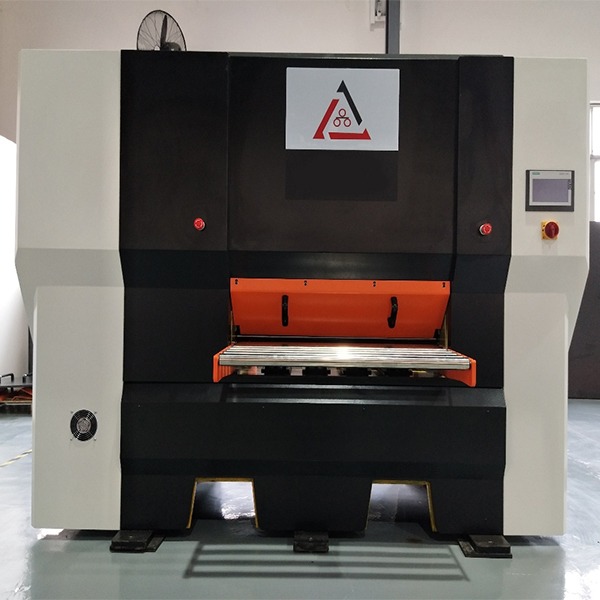
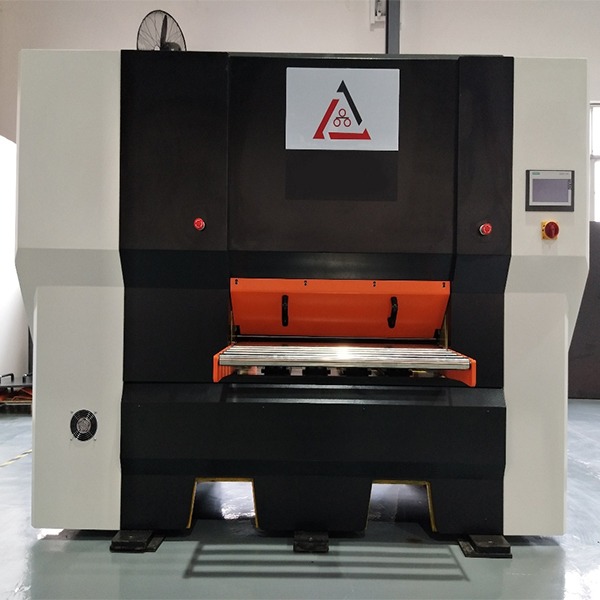
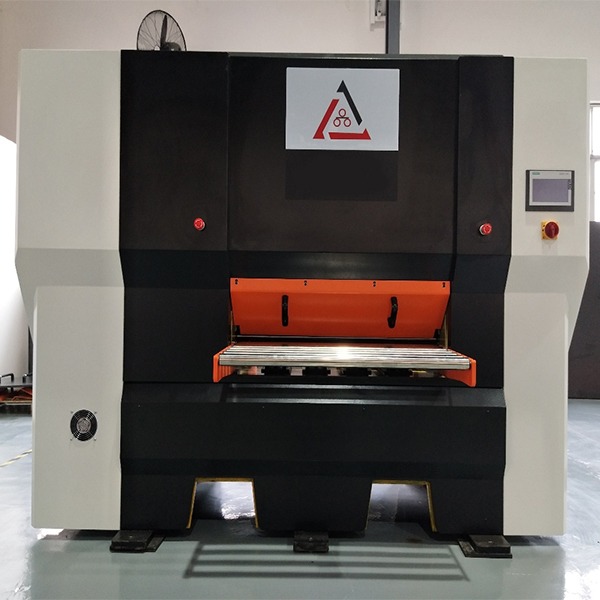
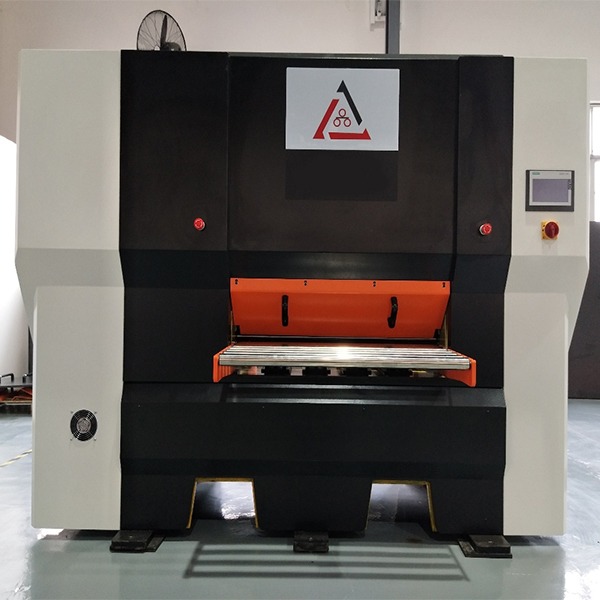
In stamping operations, especially for complex geometries used in electronics or aerospace, material stability is paramount. If the material has not had its Internal Stress Released, the act of punching or forming will trigger a release of energy, resulting in "springback." This makes it nearly impossible to maintain dimensional accuracy across large production runs. By using a high-precision CNC leveling machine, manufacturers can ensure the metal stays flat within microns after the die exits.
2. Automated Welding and Structural Assembly
Welding introduces intense localized heat. When a material with high residual stress is welded, the heat acts as a catalyst, causing the metal to distort violently as the internal forces seek equilibrium. This often results in the "banana effect" or warping of the entire assembly. Ensuring that the Internal Stress Released phase is completed prior to welding via a roller leveler is essential for automated robotic welding cells where fit-up tolerances are extremely tight.
XINLIJIN Technical Solutions for Global Industry
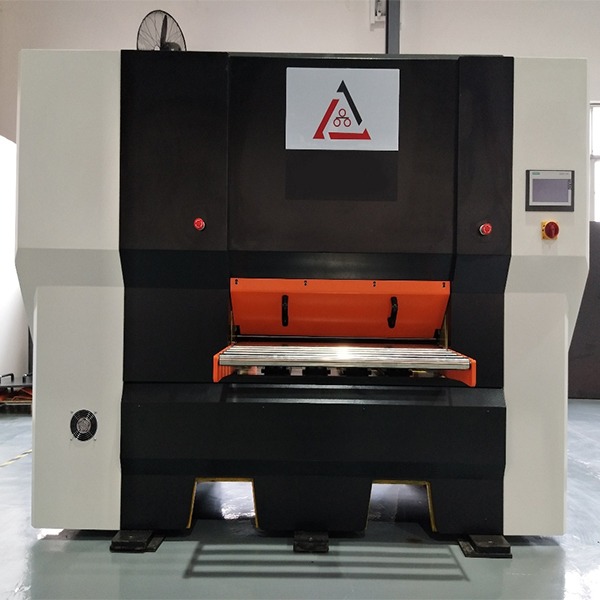
As a leading Internal Stress Released machine exporter, we provide a range of equipment tailored to specific material thicknesses and industrial requirements.
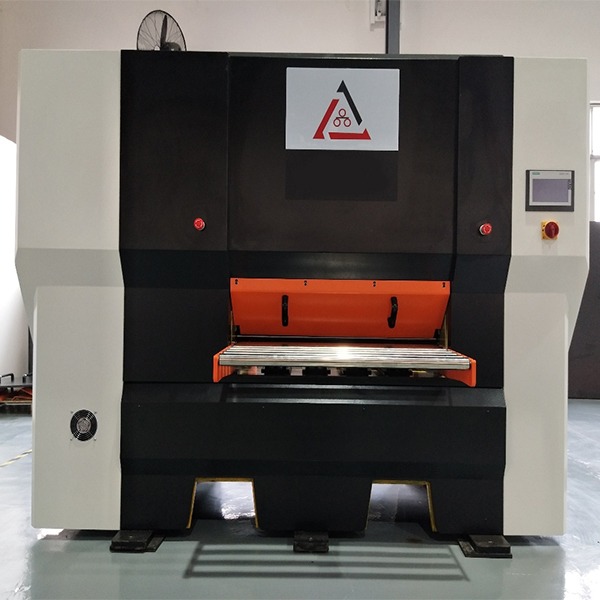
Thin Material Series
Designed for 0.3mm to 3.0mm materials, ideal for the electronics and medical device sectors where precision is non-negotiable.
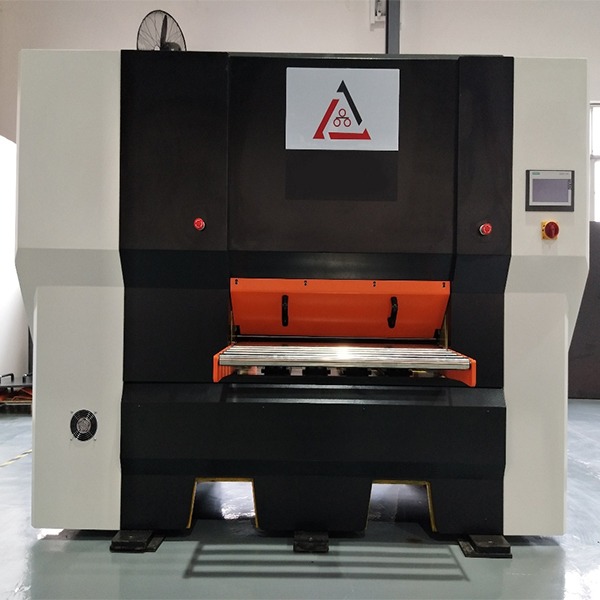
Medium Thickness Series
Handling 1.0mm to 8.0mm, these machines are the workhorses of the automotive stamping and machinery industries.
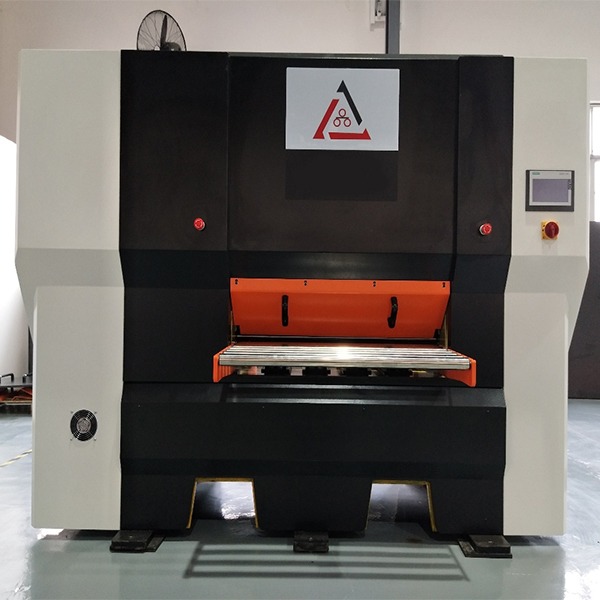
Heavy Duty Series
Capable of processing materials up to 15.0mm, ensuring Internal Stress Released in heavy construction and shipbuilding plates.
Leveling Methods Comparison: 4-High vs. 6-High
Choosing the right architecture is critical for achieving optimal flatness and stress relief. Below is a strategic comparison based on our extensive field experience.
| Feature | 4-High Leveler | 6-High Leveler |
|---|---|---|
| Best Use Case | Standard flat parts, thicker materials | High-surface quality, thin polished metals |
| Stress Relief Depth | Excellent for structural stability | Maximum precision and surface protection |
| Maintenance | Simple and robust | Requires precision calibration |
Detailed analysis of these structures can be found in our technical guide on the difference between 4-high and 6-high machines.
Frequently Asked Questions
 How do I know if my material needs the internal stress released?
If your parts warp after laser cutting or show inconsistent springback after bending, your material likely contains high residual stress. A leveling test is the best way to confirm this.
Can XINLIJIN machines handle high-tensile strength steel?
Yes, our advanced roller levelers are engineered with high-stiffness frames and powerful hydraulic systems specifically designed to overcome the high yield points of modern high-tensile materials.
What is the lead time for a custom leveling solution?
Standard series machines are often available for quick delivery, while customized lines typically range from 8 to 12 weeks depending on the level of automation required.
Elevate Your Production Quality Today
Don't let hidden stresses undermine your manufacturing precision. Partner with XINLIJIN to implement a robust Internal Stress Released strategy that guarantees flatness and reduces waste.
© 2026 XINLIJIN Leveling Technology. All Rights Reserved. Precision engineering for a flatter world.
Recent News