
Understanding the Bauschinger Effect in Metal and How a Precision Leveling Machine Counteracts It.
Mastering material science to achieve perfect flatness in modern sheet metal fabrication.
The Hidden Challenge in Metal Processing
In the world of high-precision metal fabrication, manufacturers often face a frustrating phenomenon: a metal sheet that appears flat after initial processing suddenly warps or bows during laser cutting or welding. This "material memory" or rebound is not a mystery of physics but a direct result of internal stresses and the Bauschinger Effect. For engineers and production managers, failing to account for these microscopic changes in yield strength leads to high scrap rates, delayed production, and compromised final product quality.
Are you struggling with inconsistent flatness in your cold-rolled steel or aluminum alloys? Do your components fail to meet the tight tolerances required for automated assembly? This article serves as a comprehensive guide to understanding the Bauschinger Effect and how advanced leveling technology from XINLIJIN provides the definitive solution for stress-free material.
What is the Bauschinger Effect?
The Bauschinger Effect refers to a property of materials where the yield strength of a metal decreases when the direction of plastic deformation is reversed. Named after the German engineer Johann Bauschinger, this effect occurs because of the movement and accumulation of dislocations within the metal's crystalline structure during initial loading.
When you bend a piece of metal, you create a "back stress" at the microscopic level. If you then attempt to bend it in the opposite direction, this internal stress actually assists the new deformation, causing the metal to yield at a lower stress level than it did initially. In the context of sheet metal processing, this means that simple stretching or single-pass bending is insufficient to stabilize the material.
Understanding the Bauschinger Effect is critical because it dictates how much energy and force are required to "reset" the metal's internal state. Without a machine designed to handle this reversal of stress, your material will always retain a tendency to return to its original, deformed shape.
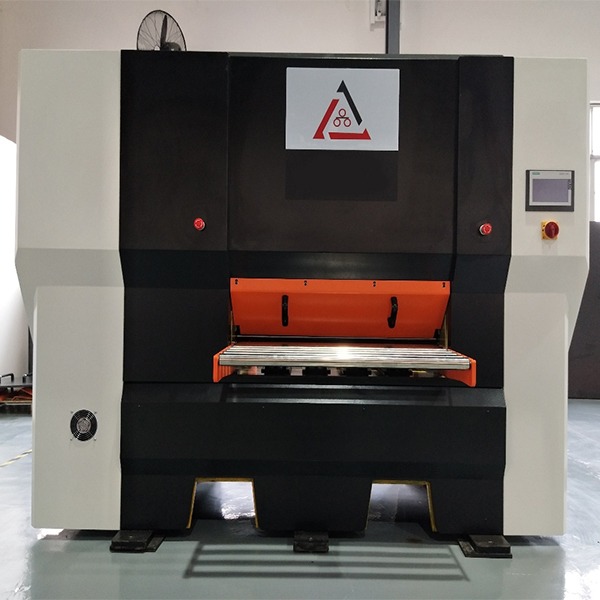
Fig 1: Microscopic dislocation movement during stress reversal.
How XINLIJIN Precision Leveling Machines Solve the Problem
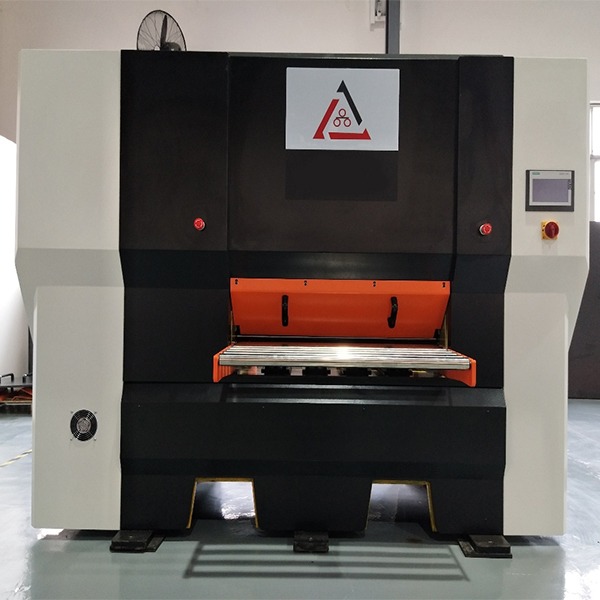
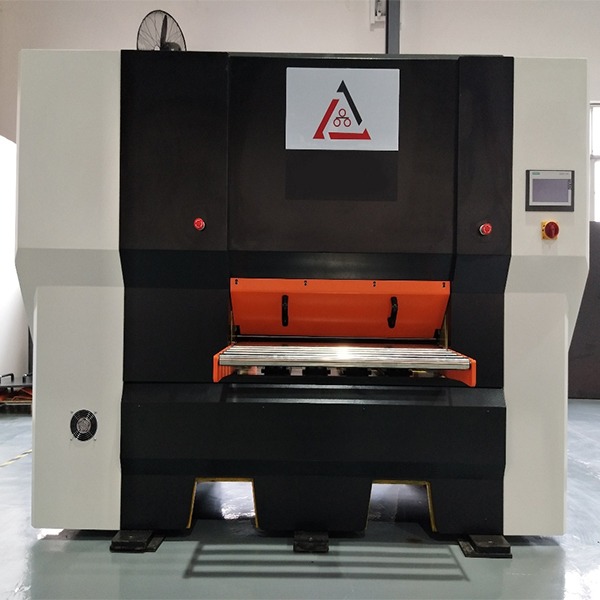
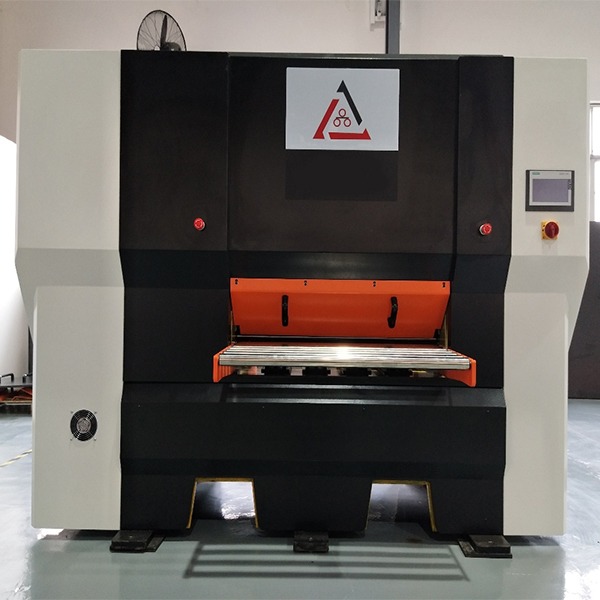
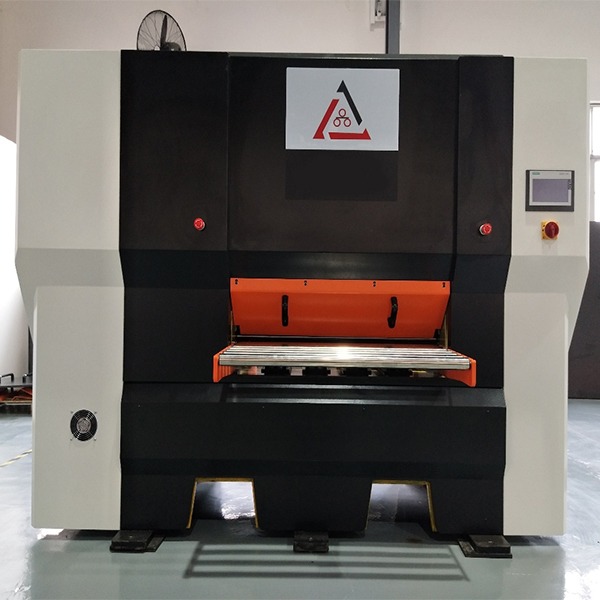
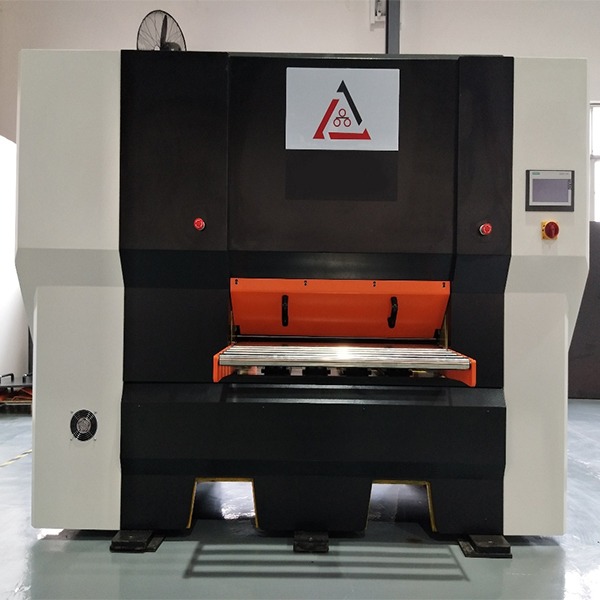
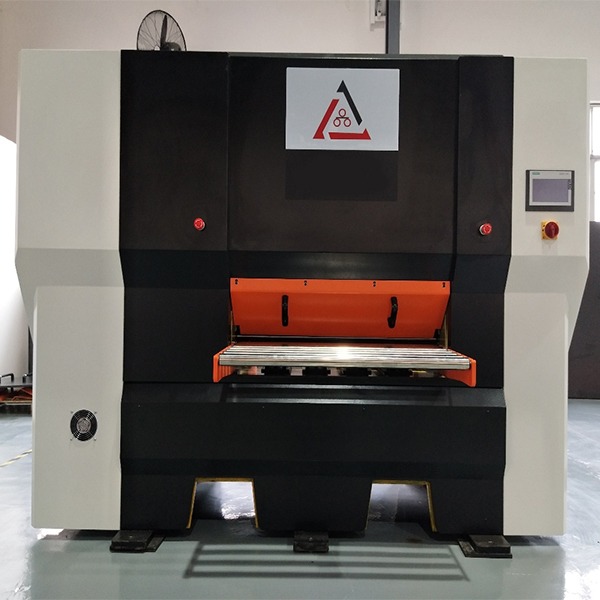
At XINLIJIN, we have engineered our Precision Leveling Machines to specifically counteract the Bauschinger Effect through a process known as alternating bending. Here is the technical breakdown of how we achieve superior flatness:
1. The Alternating Bending Principle
Our machines utilize a series of rollers that subject the metal to a sequence of decreasingly intense bends. By forcing the material through multiple cycles of tension and compression, we effectively "exhaust" the dislocations and neutralize the internal back-stress. This systematic reversal of strain is the only way to overcome the yield strength variations caused by the Bauschinger Effect.
2. High-Density Roller Configurations
Unlike standard straighteners, XINLIJIN precision levelers, such as our 40 Series or 60 Series, feature small-diameter rollers with very close centers. This high-density arrangement ensures that the material is bent past its elastic limit multiple times, ensuring that the entire cross-section of the metal reaches a uniform state of plastic deformation.
3. Precision Hydraulic Support
To maintain consistent pressure across the entire width of the sheet, our machines incorporate advanced backup rollers. This prevents roller deflection, ensuring that the Bauschinger Effect is managed uniformly from edge to edge, eliminating "center buckle" or "wavy edges."
Choosing the Right XINLIJIN Series for Your Needs
| Model Series | Thickness Range | Primary Application |
|---|---|---|
| 20 Series | 0.3 – 1.5mm | Electronic parts, thin foils, battery connectors. |
| 50 Series | 1.0 – 4.0mm | Automotive stamping, construction hardware. |
| 80 Series | 2.0 – 8.0mm | Heavy machinery, thick plate processing. |
| 120 Series | 5.0 – 15.0mm | Structural steel, heavy industrial baseplates. |
Why Trust XINLIJIN for Internal Stress Relief?
With over a decade of specialization in sheet metal flattening, XINLIJIN has provided solutions for hundreds of international clients across the aerospace, automotive, and medical industries. Our expertise in managing the Bauschinger Effect is supported by:
- Rigorous Quality Standards: Every machine undergoes 72 hours of continuous stress testing before shipment.
- Global Certifications: Our products are CE certified and meet all international safety and performance benchmarks.
- Proven Success: We offer free material testing and leveling samples to demonstrate the precision of our equipment before you invest.
Frequently Asked Questions
How often should the leveling rollers be maintained?
To ensure consistent counteraction of the Bauschinger Effect, rollers should be cleaned daily to remove metal dust and inspected weekly for wear. XINLIJIN machines are designed with easy-access cleaning systems to minimize downtime.
Can the machine handle high-strength alloys?
Yes. Our high-precision levelers are specifically engineered to handle materials with high yield strength. By adjusting the bending triangle and roller pressure, we can effectively manage the increased back-stress inherent in specialized alloys.
Do you provide on-site installation and training?
Absolutely. We provide comprehensive technical support, including installation, commissioning, and operator training, to ensure your team can maximize the performance of your XINLIJIN leveling solution.
Ready to Eliminate Material Warpage?
Download our technical brochure or contact our engineers for a free consultation on how to manage the Bauschinger Effect in your production line.
© 2026 XINLIJIN Precision Leveling Technology. All Rights Reserved. Specializing in Stress Relief and Flatness Excellence.
Recent News