
An Overview of Modern Straightening Machine Types and Their Applications
In industrial metal processing, achieving precise straightness and flatness is a prerequisite for quality fabrication. A wide range of straightening machines has been developed to address diverse material forms, thicknesses, and production volumes. Selecting the correct type is crucial for efficiency and final product integrity. This overview details the primary modern straightener types and their optimal applications.
1. Roller Levelers and Precision Leveling Machines
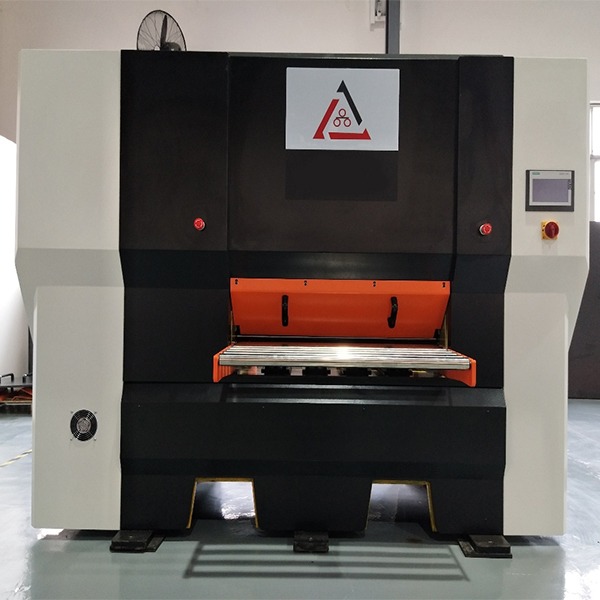
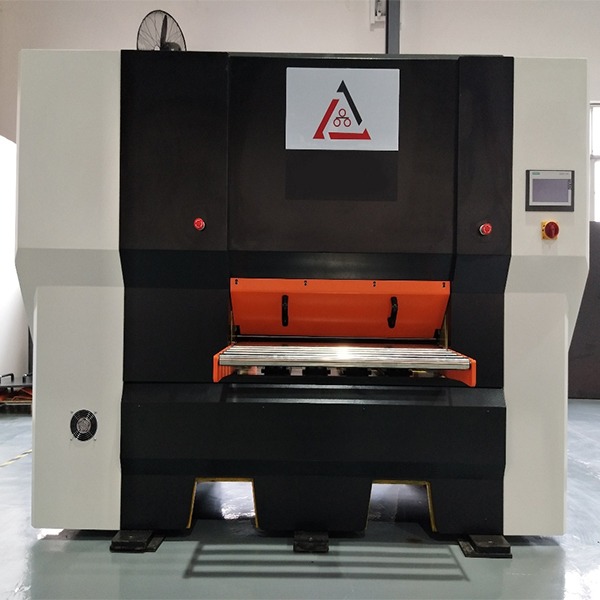
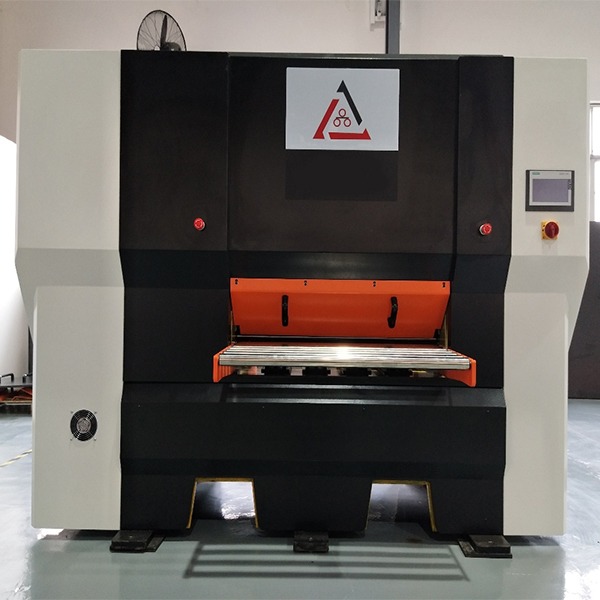
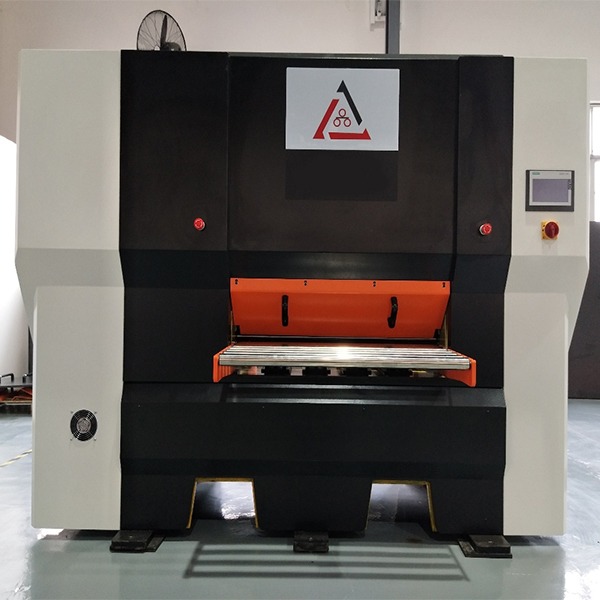
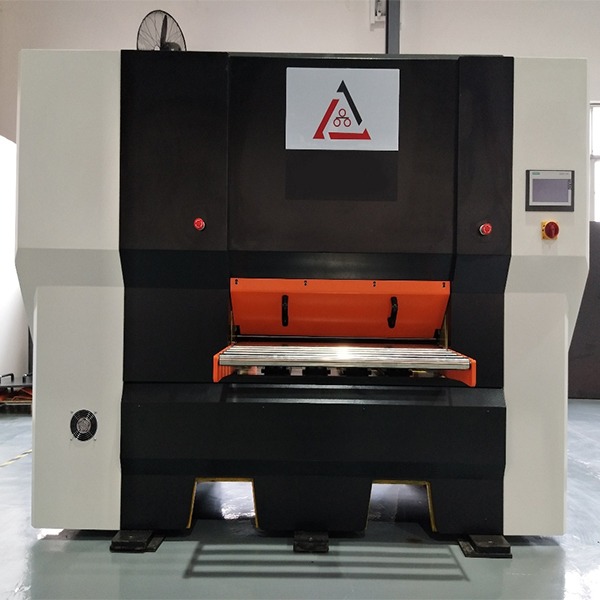
The most common and versatile type, the roller leveler, is designed for sheet metal, plates, and strips. These machines use a series of intermeshing top and bottom rolls to apply a controlled bending sequence, effectively neutralizing internal stress. They are categorized by roll configuration (like Four Fold Or Four High) and control type. A standard manual leveling machine is suitable for workshops with diverse, low-volume jobs, while a CNC leveling machine offers automated, repeatable precision for high-volume production of sensitive or high-strength materials. Their primary application is preparing flat blanks for stamping, laser cutting, and assembly.
2. Precision Straightener Machines for Bars, Tubes, and Profiles
For long products like rods, bars, tubes, and extruded profiles, a different straightener machine design is used. These typically employ a set of staggered rollers or rotary straightening heads arranged in a multi-plane configuration. The material passes through while being rotated and incrementally bent, correcting curvature along its entire length. These are essential in industries like automotive, aerospace, and construction, where straight shafts, actuator rods, or structural components are required.
3. Combined Decoiler and Straightener Feeder Lines
In coil processing, the decoiler straightener feeder represents an integrated system. It combines a decoiler to pay off the metal coil, a roller leveling unit to flatten the material, and a servo feeder to precisely advance the straightened sheet into a press or cutter. This type is a complete solution for automated stamping and blanking lines, ensuring a continuous flow of perfectly flat material directly from the coil, maximizing productivity for high-volume manufacturing.
4. Specialized Hydraulic Leveling Machines
For thick plates or where extremely high leveling force is required, a hydraulic leveling machine is employed. Instead of a full roll stack, it may use fewer, larger-diameter rolls powered by hydraulic cylinders to apply immense, concentrated pressure. This type is capable of correcting severe distortions in heavy-duty applications, such as shipbuilding, pressure vessel manufacturing, and structural steel preparation.
Choosing the Right Machine for the Application
The selection depends on several factors:
-
Material Form: Sheet/plate vs. bar/tube.
-
Material Thickness and Strength: Dictates required machine rigidity and power.
-
Production Volume and Automation Needs: Manual operation vs. CNC automation vs. full in-line integration.
-
Required Precision Level: Standard commercial flatness vs. high-tolerance aerospace specifications.
Conclusion
Modern straightening machine technology offers a specialized solution for nearly every industrial straightening challenge. From versatile roller levelers for sheet metal to precision bar straighteners and integrated decoiler straightener feeder lines, understanding the types and their core applications allows manufacturers to invest in the right technology. The correct machine not only ensures superior product quality through effective sheet metal flattening and stress relief but also optimizes overall production workflow and efficiency.
Recent News