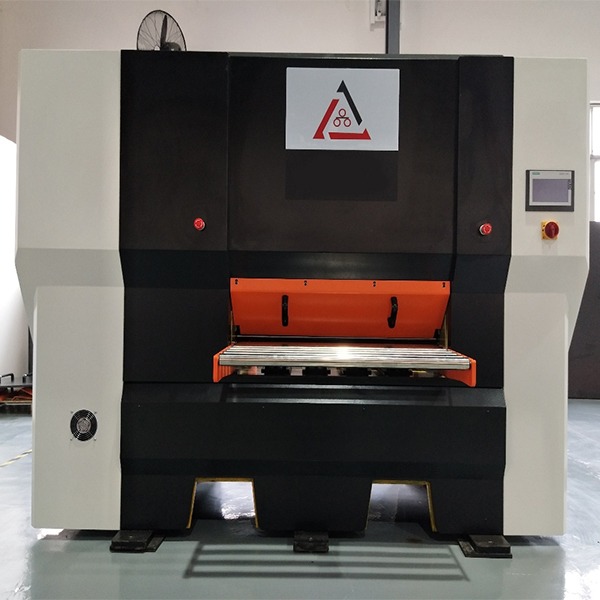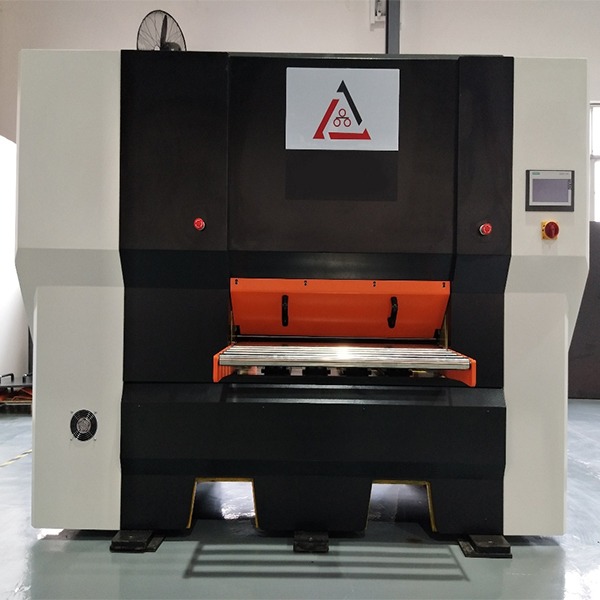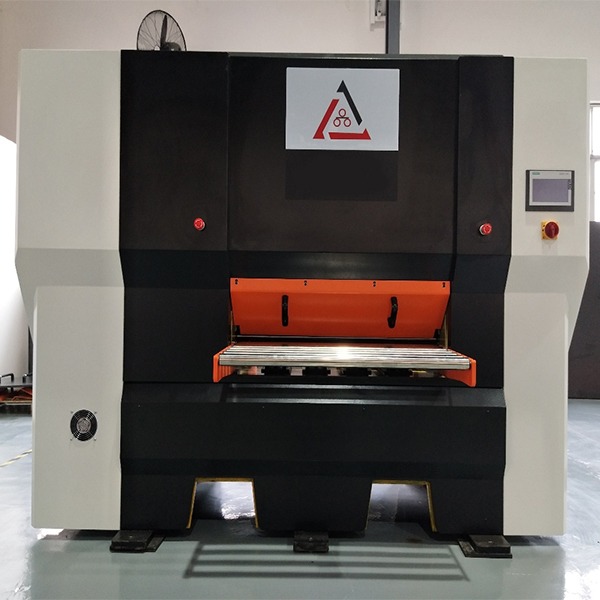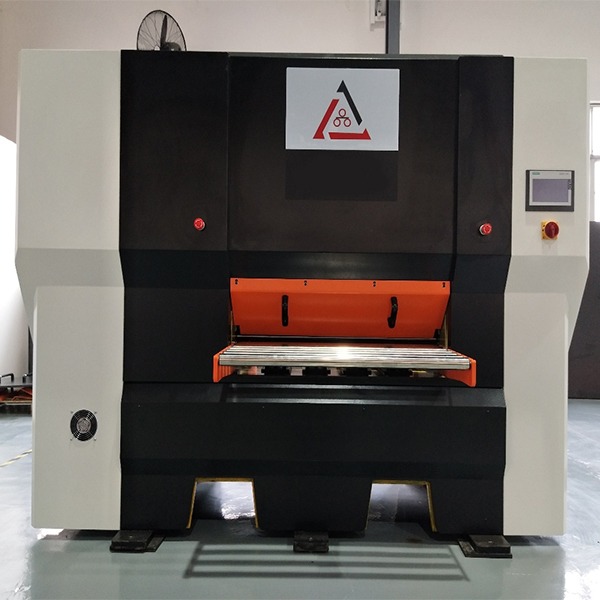

Exploring the Four Fold Or Four High Configuration in Leveling Equipment
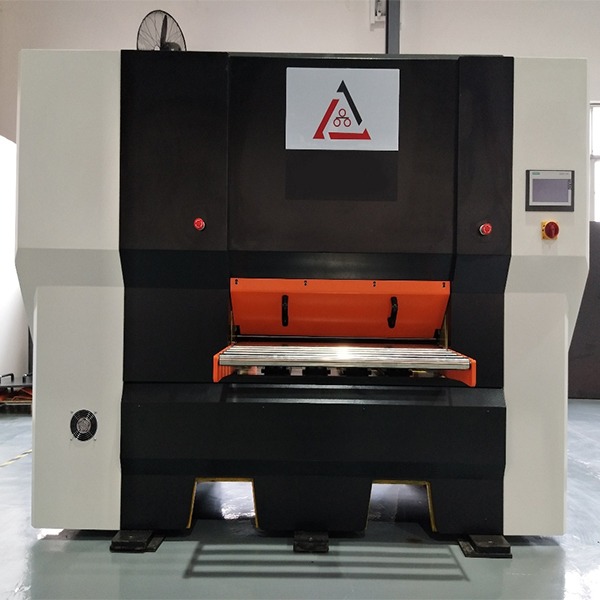
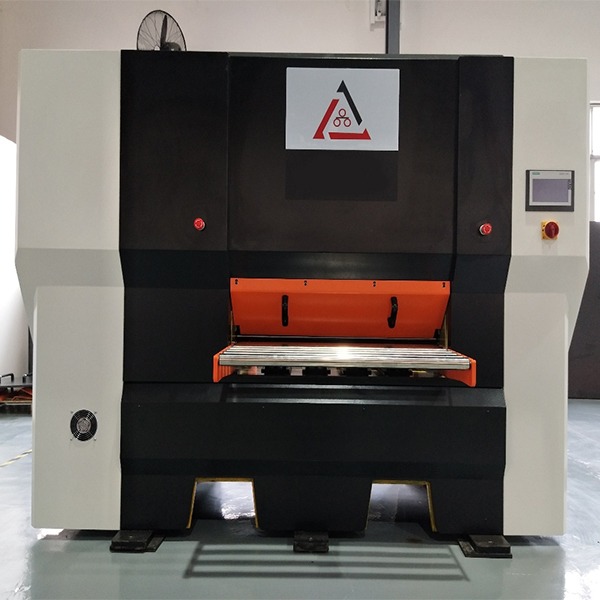
Within the realm of precision metalworking, the specific engineering of a machine's core components determines its capability. In sheet and plate leveling, the Four Fold Or Four High roll configuration stands as a critical design principle for high-performance roller leveler equipment. Understanding this configuration is key to appreciating how modern machines achieve superior flatness and handle a diverse material range.
Defining the Configuration: A Layered Approach
The term "Four Fold Or Four High" refers to the vertical arrangement of rolls within the leveling machine's work stack. Specifically, it describes a setup with two small-diameter work rolls (one top, one bottom) directly in contact with the material, each supported by a larger-diameter backup roll. This creates four rolls in a single vertical column—hence "Four High."
This layered structure is fundamental. The small work rolls are responsible for applying the precise bending force to the metal sheet. Their reduced diameter allows them to induce a tighter bend radius, which is essential for effectively processing thinner materials and achieving the necessary plastic deformation to eliminate internal stress.
The Mechanical Advantage: Why This Design Prevails
The primary reason for this configuration is to overcome a fundamental physical limitation: roll deflection. Under the high forces required for leveling, a small-diameter roll acting alone would bend or flex across its length. This deflection would cause uneven pressure, resulting in poor flatness (such as a crowned center) and inconsistent results.
The larger backup roll provides critical support directly behind each work roll. It acts as a rigid bolster, absorbing the reaction forces and preventing the work roll from deflecting. This ensures that the leveling force is applied uniformly across the entire width of the material, from edge to edge. The result is consistent, high-quality sheet metal flattening without mid-span weakness.
Operational Impact and Material Considerations
The Four Fold Or Four High design directly influences machine performance and application scope:
-
Precision for Thin Gauges: The supported small work rolls can process thin, sensitive materials without causing marks or distortions that larger, unsupported rolls might create.
-
Handling High Strength: The rigid structure allows the machine to apply the significant force needed to level high-strength steels and alloys, as the force is effectively transferred through the backup rolls to the machine frame.
-
Reduced Power Consumption: By minimizing energy lost to flexing and deflection, the configuration leads to more efficient power transfer and operation.
This configuration is particularly effective in CNC leveling machine systems, where precise, automated control of each roll set's position can be fully leveraged thanks to the inherent stability of the design.
Conclusion
The Four Fold Or Four High configuration is not merely a technical specification; it is an engineered solution to a core challenge in metal leveling. By pairing small, agile work rolls with robust backup support, this design provides the rigidity, precision, and versatility required for modern industrial straightening machine applications. For manufacturers seeking reliable and precise sheet metal flattening, understanding this fundamental mechanical advantage is a crucial step in selecting equipment capable of delivering consistent, high-tolerance results across a broad spectrum of materials.
Recent News