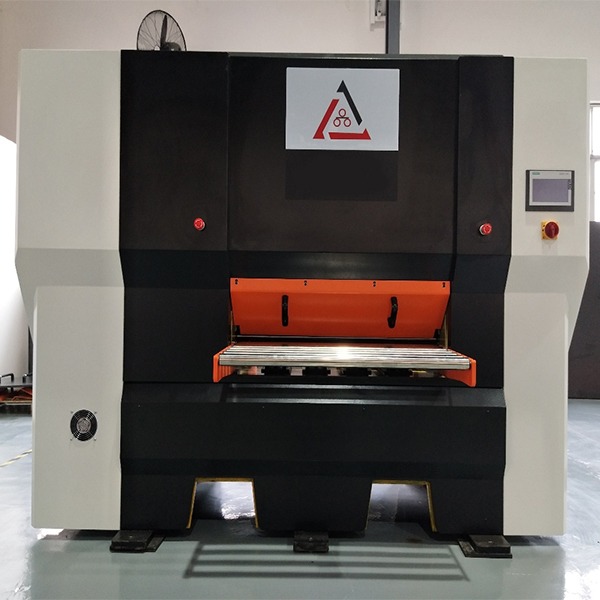
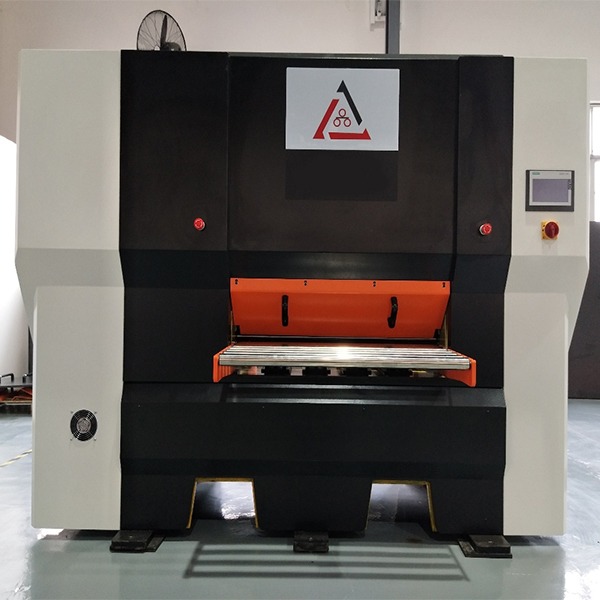
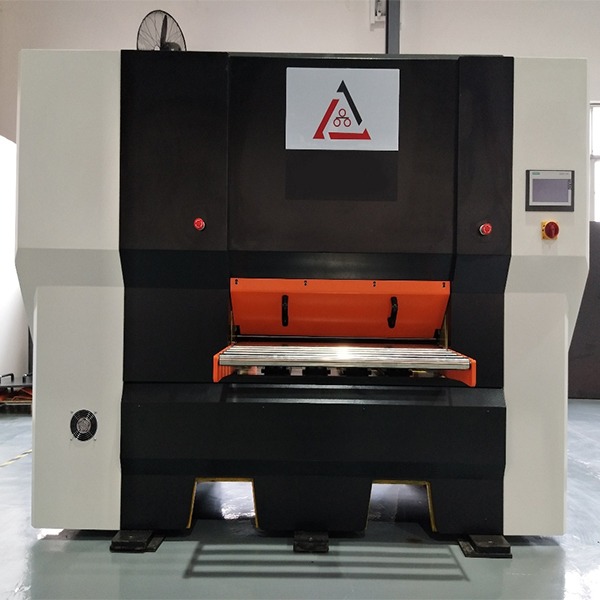
Achieving perfect flatness in sheet metal is a critical requirement for high-quality fabrication, yet it is a complex engineering challenge. Effective sheet metal flattening relies on more than just heavy-duty machinery; it is the result of several integrated key technologies working in harmony. Understanding these core technologies reveals why modern systems deliver superior, consistent results compared to rudimentary flattening methods.
1. Precision Roll Configuration and Geometry
The heart of any flattening system is its roll stack. The specific arrangement—most notably the Four Fold Or Four High configuration—is a foundational technology. This setup features small-diameter work rolls supported by larger backup rolls. The small work rolls apply the precise bending force needed for thin sheet metal, while the backup rolls prevent deflection under load, ensuring uniform pressure across the entire sheet width. This geometry is essential for processing a wide range of thicknesses without marking the material.
2. Advanced Roll Adjustment and Control Systems
Precise control over the leveling process separates basic machines from high-performance systems. Modern leveling machines feature independent, computer-aided adjustment of individual roll sets. Operators can finely tune the entrance, center, and exit gaps to create a specific bending curve tailored to the material's gauge, width, and yield strength. This targeted approach ensures the internal stress is effectively neutralized, preventing springback and ensuring lasting flatness.
3. Integration of CNC and Automation
The most significant technological leap in recent years is the integration of Computer Numerical Control (CNC). A CNc Leveling Machine stores recipes for different materials, allowing for rapid, repeatable setup. The CNC system automatically positions the rolls and adjusts pressures based on input parameters, eliminating human error and drastically reducing setup time. This automation ensures consistent, batch-to-batch repeatability and is a cornerstone of modern, efficient production cells.
4. Modular and In-Line System Design
Effective flattening is often part of a continuous process. Technologies enabling modular design allow a decoiler straightener feeder to be integrated seamlessly with the leveling machine. This creates a streamlined, automated material handling line from coil to flat blank, minimizing handling, improving throughput, and maintaining material consistency from start to finish.
5. Application-Specific Engineering
Finally, the technology is not one-size-fits-all. Systems are engineered with specific applications in mind. For instance, equipment designed for high-strength alloys may incorporate heavier-duty frames and higher horsepower drives, while machines for delicate surfaces may feature polished or coated rolls to prevent marking. This application-focused design ensures the technology is correctly applied to solve specific sheet metal flattening challenges.
Conclusion
The effectiveness of a sheet metal flattening system is a direct result of its integrated technologies. From the fundamental mechanical advantage of the Four Fold Or Four High roll stack to the precision and repeatability offered by CNC leveling machine controls, each component plays a vital role. By leveraging these key technologies, manufacturers can achieve the level of flatness, stability, and efficiency required for today's demanding metal fabrication applications, ensuring that every sheet is perfectly prepared for subsequent manufacturing processes.