
Essential Features to Look for in a Durable Leveling Machine
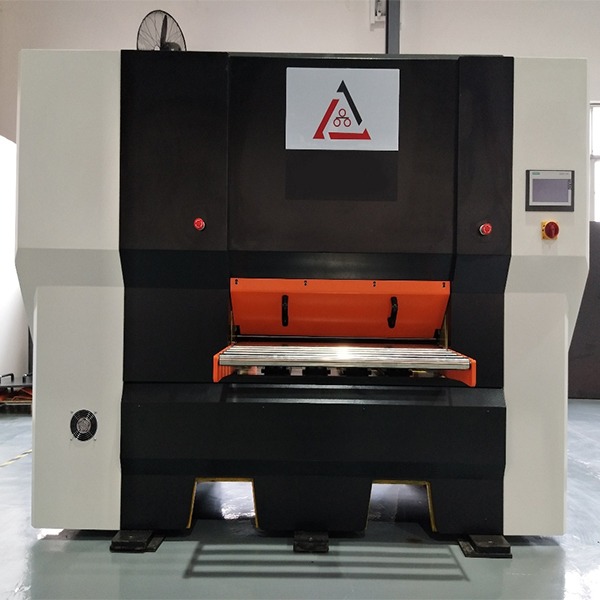
Investing in a leveling machine is a significant capital decision for any metal fabrication operation. Beyond initial performance, long-term durability is paramount to ensure a strong return on investment, minimize downtime, and maintain consistent product quality over years of service. When evaluating equipment, several essential design and construction features are non-negotiable indicators of a truly durable machine.
1. Robust Frame and Housing Construction
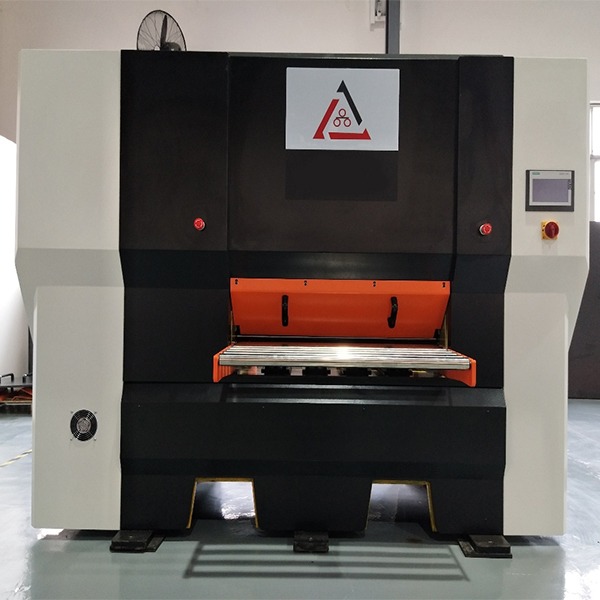
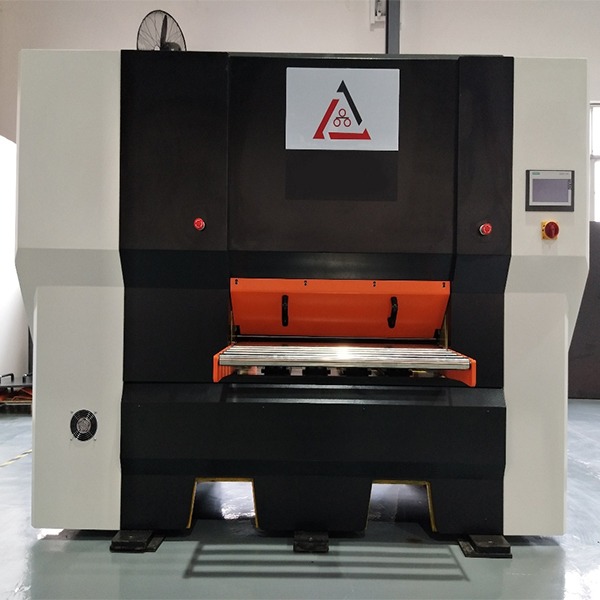
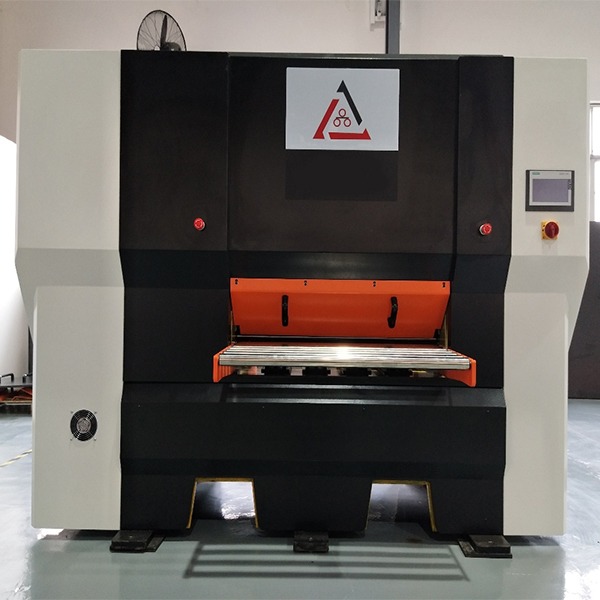
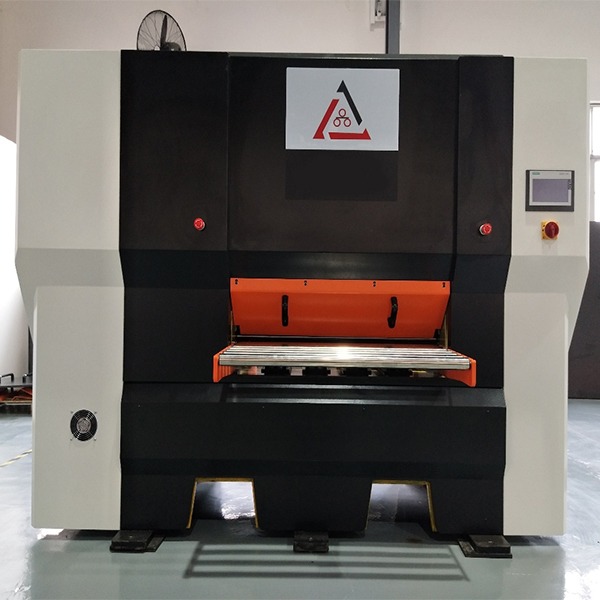
The machine frame is its backbone. Look for a frame constructed from high-grade, stress-relieved steel plates, not light-duty castings or welded sections of inadequate mass. A rigid, box-type or welded housing design is critical. This massive structure must absorb the tremendous, cyclical forces generated during the internal stress released process without flexing or twisting. Any frame deflection translates directly into inconsistent roll gap alignment and poor flatness results. A durable frame is the foundation upon which all other precision components depend.
2. High-Precision, Supported Roll Assemblies
The roll stack is the heart of the machine, and its construction defines durability. Seek out machines with a Four Fold Or Four High configuration where smaller work rolls are fully supported along their entire length by larger backup rolls. These rolls should be manufactured from alloy tool steels, hardened, ground, and often coated (e.g., with chrome or specialized coatings) for wear resistance and to prevent material marking. Crucially, the roll bearings must be heavy-duty, preloaded precision bearings housed in robust, adjustable bearing blocks. This design prevents roll deflection under load, ensuring uniform pressure and dramatically extending the service life of the costly work rolls.
3. Advanced, Protected Adjustment Mechanisms
The systems that adjust roll intermesh and penetration are under constant mechanical stress. Durable machines feature adjustment mechanisms—such as eccentric spindles or wedges—made from hardened steel and driven by large, industrial-grade servomotors or AC motors through high-capacity reduction gearboxes. These critical components should be fully enclosed and protected from dust and metal particulate by effective sealing systems. Exposed screw mechanisms or light-duty drives will wear quickly, losing precision and leading to frequent maintenance.
4. Powerful, Efficient Drive System
The main drive system provides the torque to pull material through the rolls against significant resistance. Durability here means an adequately sized motor (considering both power and duty cycle) coupled with a high-quality gear reducer or a direct-drive system. The system should be designed to handle peak loads without overheating or stalling. A robust drive train ensures smooth operation, prevents shuddering or jerking that can damage rolls or the material, and guarantees consistent performance even under continuous, high-throughput operation.
5. Comprehensive Lubrication and Cooling Systems
Continuous operation generates heat from friction in bearings and gearboxes. A durable leveling machine will feature an automatic, centralized recirculating lubrication system. This system proactively delivers clean oil to all critical points, reducing wear, dissipating heat, and flushing out contaminants. Similarly, for the rolls processing thicker materials, an internal roll cooling system may be essential to prevent thermal expansion from altering the precise roll gap geometry during long runs.
Conclusion
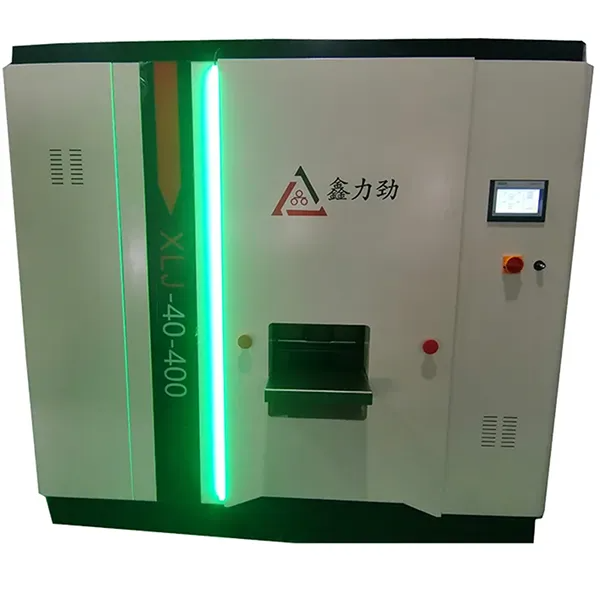
A durable leveling machine is defined by over-engineered core components that prioritize longevity over initial cost savings. The synergy between a massive, rigid frame, a precision-built and fully supported roll assembly, protected adjustment drives, a powerful main drive, and proactive lubrication systems creates a machine built for decades of reliable service. When sourcing equipment, close scrutiny of these essential features will identify a roller leveler capable of delivering consistent, high-quality sheet metal flattening while minimizing total cost of ownership through reduced maintenance and extended operational life.
Recent News