
Comparing Operational Benefits of a Straightener Machine for Various Materials
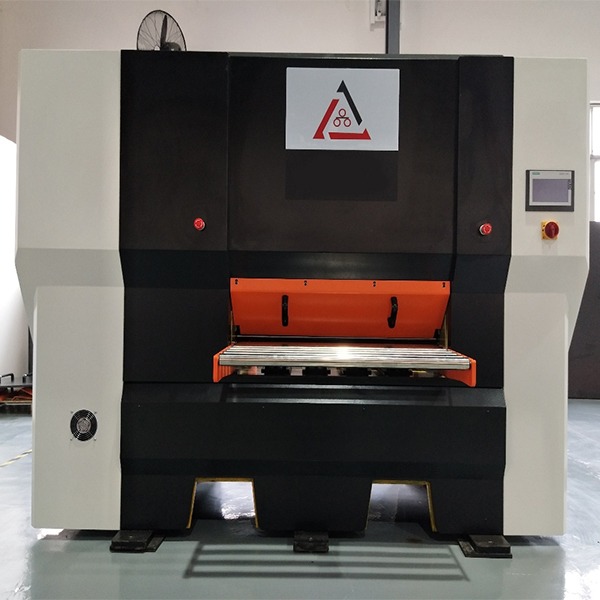
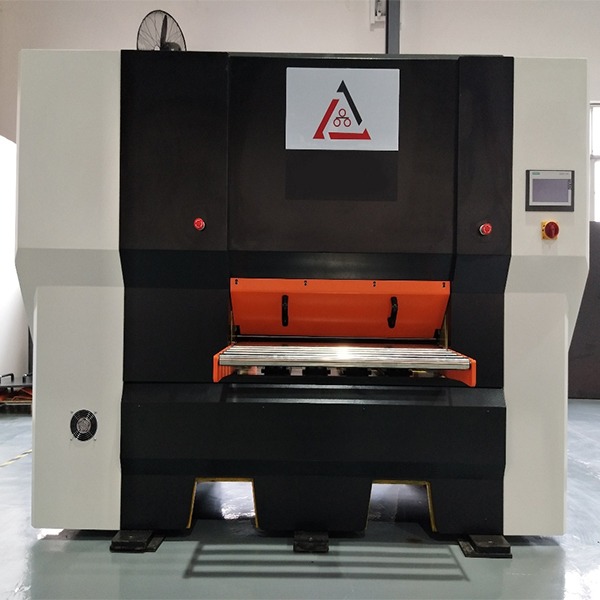
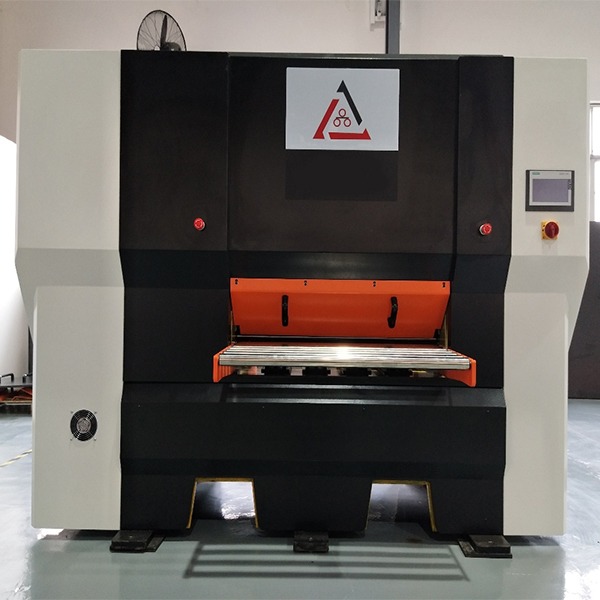
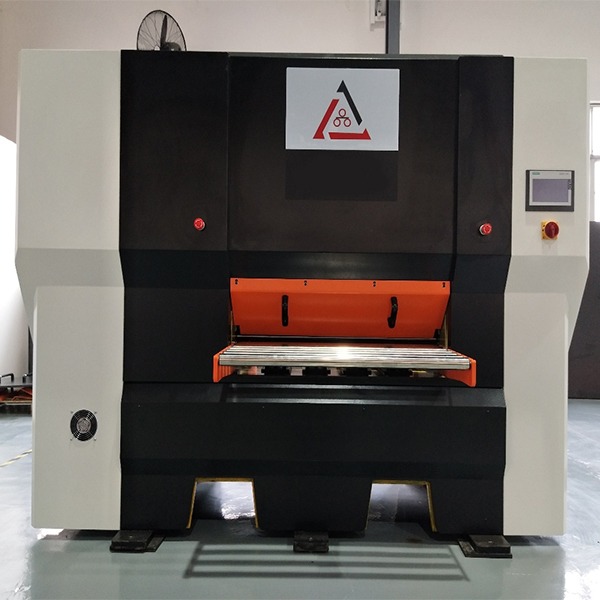
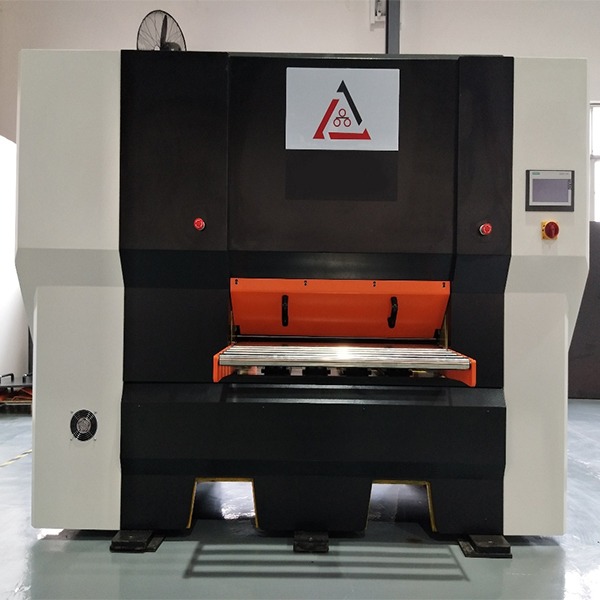
In a diverse manufacturing environment, a single piece of equipment may need to process multiple metal types, each with unique physical properties. A modern straightener machine is not a one-size-fits-all tool; its operational benefits manifest differently depending on the material being processed. Understanding these material-specific advantages is crucial for maximizing productivity and achieving optimal results across a varied production schedule.
Processing Mild and Carbon Steel
For common mild and carbon steels, the primary operational benefit of a straightener machine is high-throughput consistency and reliable internal stress released. These materials respond predictably to the alternating bending process. The machine's ability to apply controlled, repetitive plastic deformation efficiently neutralizes the coil set and residual stresses from rolling. The benefit here is robust, uninterrupted production of flat, stable blanks ready for stamping or fabrication, with minimal springback and high geometric accuracy.
Handling Aluminum and Non-Ferrous Alloys
Aluminum and softer non-ferrous metals present a different challenge: surface marking and sensitivity to overworking. For these materials, the operational benefit shifts to precision control and gentle handling. A well-designed machine, particularly a CNC leveling machine, allows for precise adjustment of roll penetration and intermesh pressure. This prevents excessive work hardening and minimizes the risk of impression marks from the rolls. The benefit is achieving perfect flatness while preserving the critical surface finish and metallurgical integrity of the softer material, which is essential for applications in aerospace or consumer goods.
Leveling High-Strength and Advanced Alloys
High-strength low-alloy (HSLA) steels, stainless steels, and other advanced materials demand significant force to induce plastic deformation. The operational benefit for these materials lies in the machine's structural power and control stability. A durable straightener machine with a rigid frame and a Four Fold Or Four High roll configuration can apply the necessary high tonnage without frame deflection. The precise, incremental adjustment capabilities ensure that even these resistant materials can be leveled without creating new stress concentrations or edge cracking. The benefit is the ability to process stronger, thinner materials to a high flatness standard, enabling lightweight design without compromising part stability.
Managing Pre-Coated or Painted Materials
For materials with painted, galvanized, or laminated surfaces, the primary concern is preserving the coating integrity. The operational benefit is derived from features like polished or specially coated work rolls and precisely controlled line speed. A machine that operates smoothly without slippage or jerking prevents surface abrasion. The ability to fine-tune the leveling curve to the exact material gauge ensures effective flattening without applying excessive localized pressure that could crack or delaminate the coating.
Conclusion
The true value of a versatile straightener machine is measured by its ability to deliver tailored operational benefits for each material type. From the high-volume reliability needed for carbon steel to the precision finesse required for aluminum, and the powerful control essential for high-strength alloys, the right machine transforms material-specific challenges into consistent quality. By matching the machine's capabilities—such as precise adjustability, structural rigidity, and gentle handling—to the material's properties, manufacturers can ensure efficient processing, reduce scrap, and achieve flawless flatness across their entire product range.
Recent News