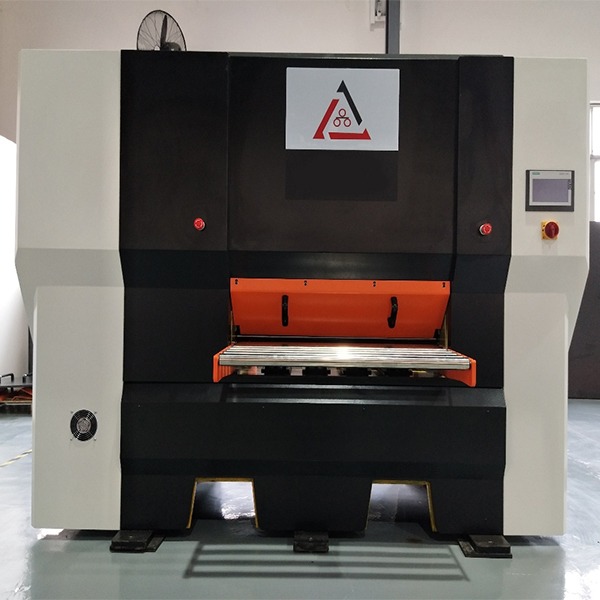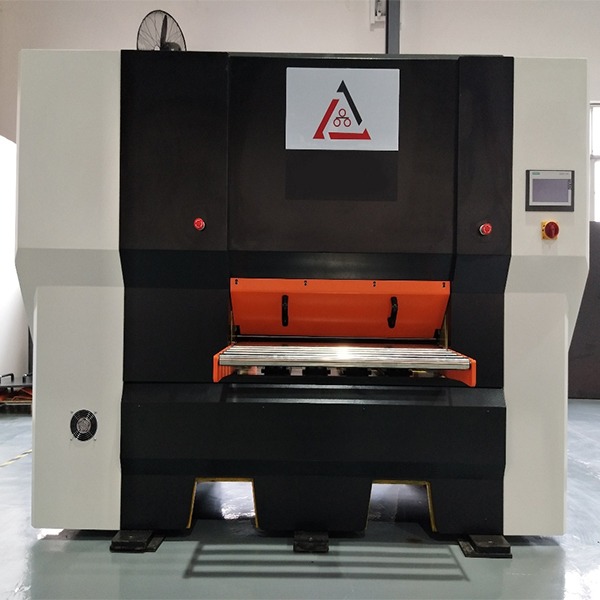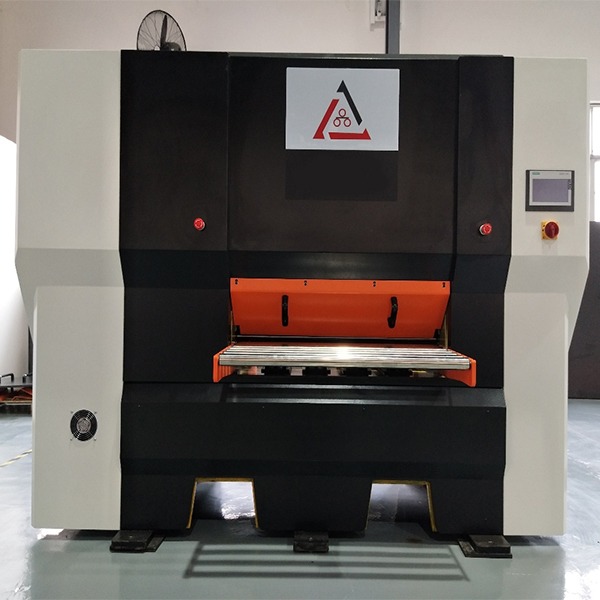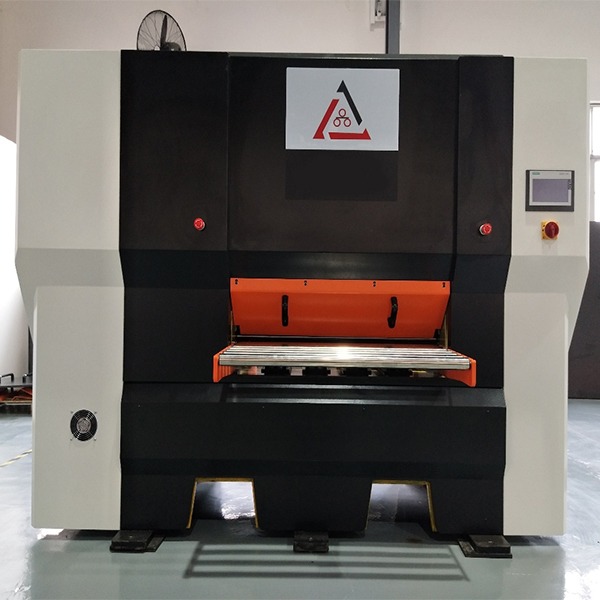

Integrating CNC Leveling Machine for High Precision Flatness Control
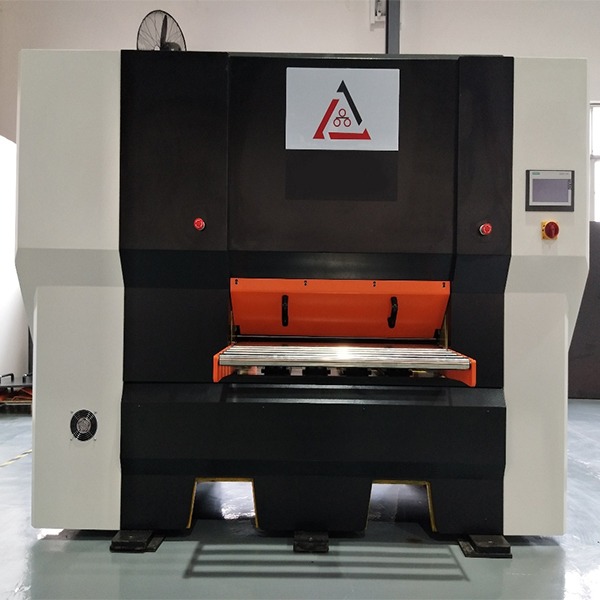
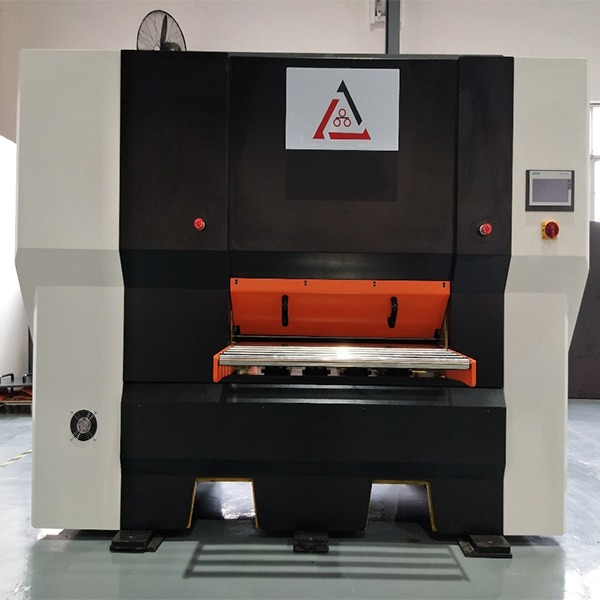
In the competitive landscape of precision metal fabrication, achieving consistent, high-tolerance flatness is a benchmark of quality and efficiency. The integration of a CNC leveling machine into a modern production line represents a transformative step beyond manual adjustment, offering unparalleled control over the sheet metal flattening process. This automation directly translates to superior product quality, repeatability, and streamlined operations.
The Core Advantage: Automated, Data-Driven Precision
The defining feature of a CNC leveling machine is its computer numerical control system. This technology replaces manual hand wheels and guesswork with programmed, servo-driven adjustments. Operators input key material parameters—such as yield strength, thickness, width, and the desired flatness tolerance—into the control panel. The CNC system then automatically calculates and positions each individual work roll and backup roll to the exact optimal setting.
This process ensures that every sheet or coil, from the first to the thousandth, is processed with identical machine geometry. It eliminates the variability introduced by human operators, guaranteeing that the complex bending sequence required for effective internal stress released is applied with absolute consistency. The result is high precision flatness that meets the most demanding specifications, batch after batch.
Seamless Integration into Automated Production Cells
A modern CNC leveling machine is designed for connectivity. It can be seamlessly integrated into automated lines, such as those featuring a decoiler straightener feeder, creating a continuous flow from coil to flat blank.
-
Communication with Upstream/Downstream Equipment: The CNC can receive job data from a central factory system (MES/ERP) and send status updates, enabling lights-out production planning.
-
Sync with Feed Lines: It can synchronize its speed with an upstream decoiler and a downstream servo feeder or conveyor, ensuring smooth, jam-free material handling and optimized cycle times.
-
Quick Changeover: Storing hundreds of leveling programs for different materials allows for instant changeover between jobs. This drastically reduces setup time and is ideal for high-mix, low-volume production environments.
Direct Impact on Manufacturing Quality and Cost
The integration of this technology delivers measurable benefits:
-
Elimination of Springback: By precisely controlling the diminishing bend pattern, the CNC system ensures complete neutralization of stresses, producing a metallurgically stable sheet that will not distort after cutting.
-
Reduced Scrap and Rework: Consistent, first-pass accuracy minimizes material wasted due to out-of-tolerance flatness.
-
Lower Skill Dependency: The complex knowledge of adjusting a Four Fold Or Four High roll stack is encoded in the machine’s programs, allowing less experienced operators to produce perfect results.
-
Predictable Outcomes: The ability to achieve and document specific flatness metrics (e.g., I-Units) provides certainty for downstream processes like precision laser cutting or automated welding.
Conclusion
Integrating a CNC leveling machine is a strategic investment in manufacturing excellence. It moves the leveling process from a skilled craft to a controlled, repeatable science. By delivering automated, high precision flatness control, it not only enhances the geometric quality of the metal but also elevates overall production efficiency, reduces waste, and provides the consistency required for advanced fabrication and just-in-time manufacturing. For operations seeking to future-proof their capabilities and deliver superior product quality, CNC integration is the definitive path forward.
Recent News