
How to Select the Right Manual Leveling Machine for Your Workshop Needs
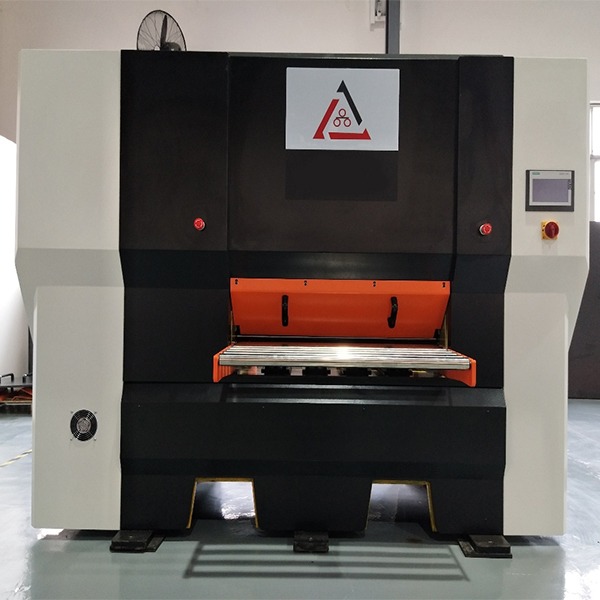
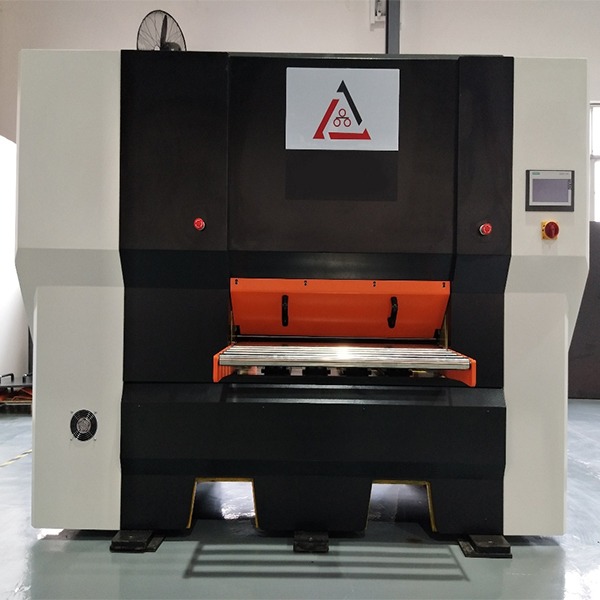
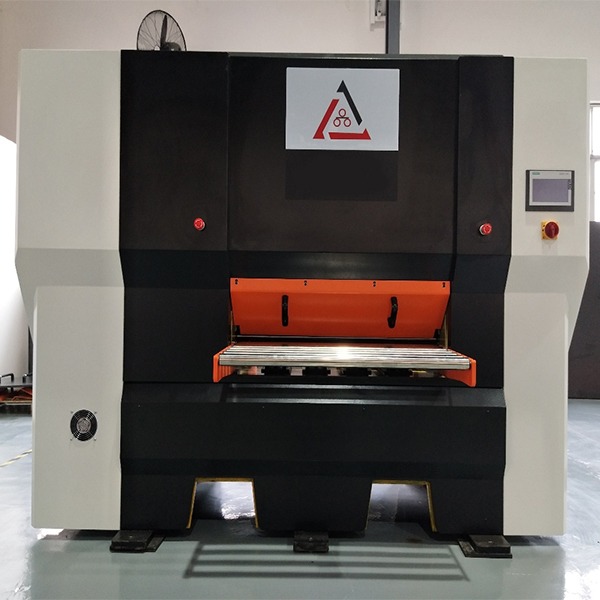
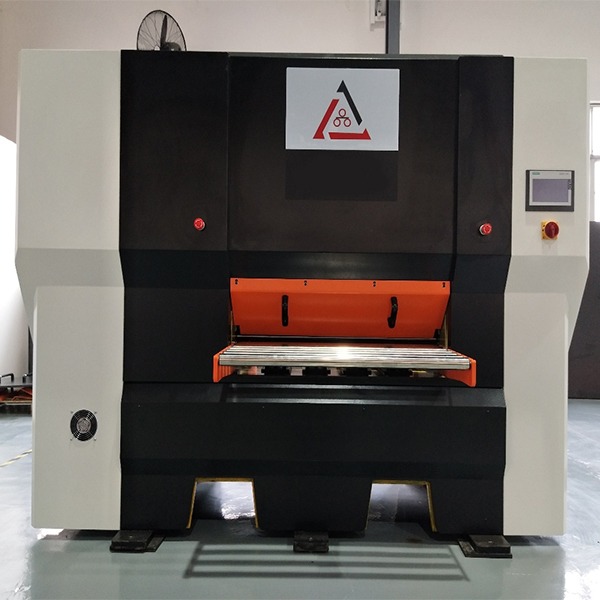
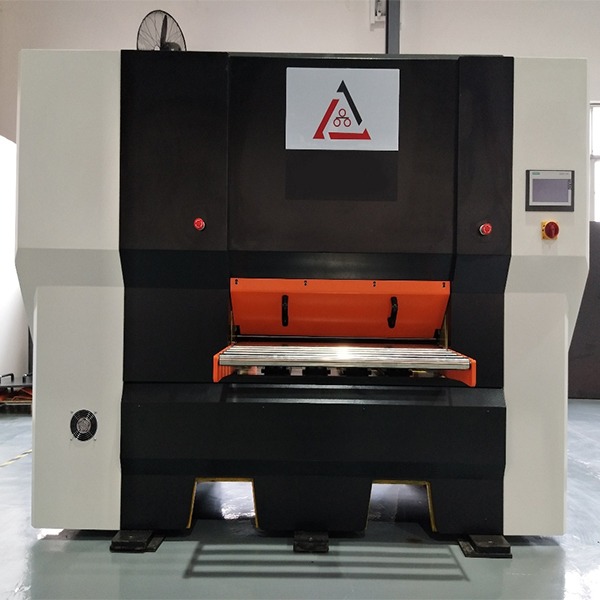
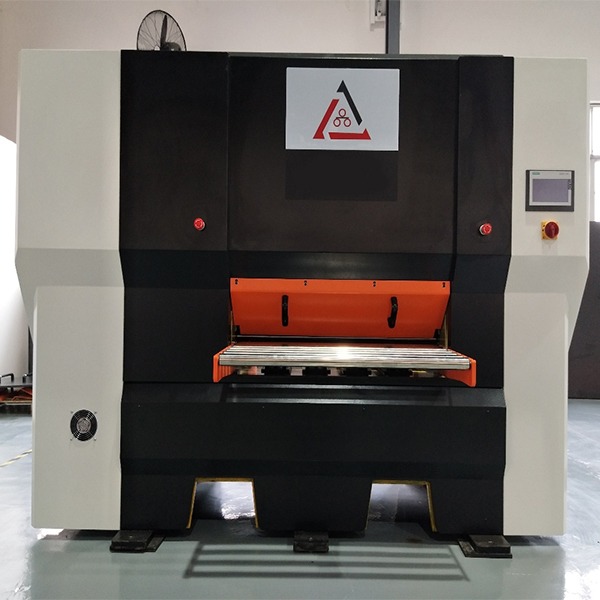
For many small to medium fabrication shops, job shops, and maintenance departments, a manual leveling machine represents the ideal balance of capability, affordability, and direct operator control. Without the complexity of CNC systems, selecting the right machine hinges on matching its core mechanical specifications to your workshop's specific demands. A thoughtful selection ensures you invest in a tool that delivers reliable sheet metal flattening for years to come.
1. Define Your Primary Material Scope
The first and most critical step is to clearly define the materials you will process most frequently.
-
Material Type: Are you primarily working with mild steel, aluminum, or stainless steel? Each has different yield strengths, which directly affect the machine power required.
-
Thickness Range: Determine your minimum and maximum material thickness (gauge). A machine must have sufficient roll gap adjustment to accept your thickest material and enough rigidity to apply effective bending force to it.
-
Width Requirement: The machine must physically accommodate the widest sheet or plate you need to flatten. Ensure the usable roll width (working width) meets this need with a small margin for safety.
2. Assess Machine Construction and Power
Once your material scope is defined, evaluate the machine's build to ensure it is fit for purpose.
-
Frame Rigidity: Look for a heavy, stress-relieved steel frame. In a manual leveling machine, operator feel is key, and a rigid frame ensures adjustments translate directly to the material without being absorbed by frame flex.
-
Roll Configuration & Diameter: A Four Fold Or Four High configuration with backup rolls is essential for processing a range of thicknesses with consistent quality, preventing roll deflection. The work roll diameter should be suitable for your thin materials to achieve the necessary bend radius.
-
Drive System: Evaluate the motor power (HP/kW) and gear drive. It must provide enough torque to pull your thickest, strongest material through the rolls without stalling. A robust drive ensures smooth operation and long service life.
3. Evaluate Adjustment Mechanisms and Usability
The quality of the manual controls defines the operator experience and result precision.
-
Adjustment Handles: Controls should be ergonomically placed and operate smoothly. Look for large, calibrated hand wheels for making fine adjustments to the roll intermesh (penetration). Stiff or imprecise controls make it difficult to achieve the desired internal stress released.
-
Independent Adjustments: The ability to independently adjust the entrance, center, and exit roll sections is crucial. This allows the operator to set the correct bending curve for different materials and correct specific defects like edge wave or center buckle.
-
Workspace Footprint: Measure your available floor space, including the area needed for feeding and receiving long sheets. Ensure the machine's dimensions and required operational clearance fit comfortably within your shop layout.
4. Consider Versatility and Future Needs
Think beyond your immediate jobs to ensure the machine remains useful.
-
Material Versatility: Can the selected machine handle both your delicate aluminum sheets and your heavier mild steel plates effectively? A machine sized for your heaviest work may still need fine enough adjustments for thin gauge material.
-
Accessibility for Maintenance: Check that routine maintenance points like lubrication fittings and drive chains are accessible. A durable manual leveling machine is designed for easy upkeep.
Conclusion
Selecting the right manual leveling machine is a process of aligning mechanical capability with practical workshop reality. By rigorously defining your material parameters, scrutinizing the machine's construction and power, testing the usability of its controls, and considering future flexibility, you can make a confident investment. The correct machine will become a dependable cornerstone of your shop, enabling you to deliver flat, stable, and professional-quality workpieces through hands-on, precise sheet metal flattening.
Recent News