
The Complete Guide to the Sheet Metal Flattening Process for Industrial Applications
The industrial process of Sheet Metal Flattening is a cornerstone of modern manufacturing, essential for transforming coiled or warped metal into perfectly flat, workable material. Achieving true flatness through precision Sheet Metal Flattening is a critical step that impacts the quality, efficiency, and success of all subsequent fabrication stages. For companies like XINLIJIN, specializing in industrial automation equipment, advancing the science of Sheet Metal Flattening is our core mission. This comprehensive guide explores the intricacies of the Sheet Metal Flattening process, the technology that drives it, and the significant benefits it delivers to metalworking operations worldwide.
Understanding the Critical Need for Sheet Metal Flattening
Why is the Sheet Metal Flattening process so non-negotiable in metal fabrication? Raw sheet metal, especially from coils, often contains inherent internal stresses and imperfections like camber, coil set, edge wave, and center buckle. These flaws make the material unsuitable for high-precision manufacturing. The primary objective of Sheet Metal Flattening is to eliminate these defects, creating a dimensionally stable and perfectly flat sheet. A robust Sheet Metal Flattening procedure ensures that the metal behaves predictably during cutting, stamping, and welding, preventing costly issues like misalignment, spring-back, and assembly inaccuracies. Without effective Sheet Metal Flattening, achieving consistency and quality in mass production is nearly impossible.
How Roller Leveling Technology Executes Sheet Metal Flattening
The most prevalent and effective method for industrial-scale Sheet Metal Flattening is roller leveling. This process involves passing the sheet metal through a series of alternating upper and lower work rolls. The fundamental principle behind this Sheet Metal Flattening technique is the application of alternating bending stresses. As the metal travels through the offset rolls, its fibers are stretched and compressed in a controlled cycle. The shorter, compressed fibers in wavy areas are elongated, while the longer fibers remain relatively unchanged. This precise mechanical action is the heart of modern Sheet Metal Flattening, systematically neutralizing internal stresses and correcting geometric imperfections to produce a uniformly flat product.
Key Factors That Influence the Sheet Metal Flattening Outcome
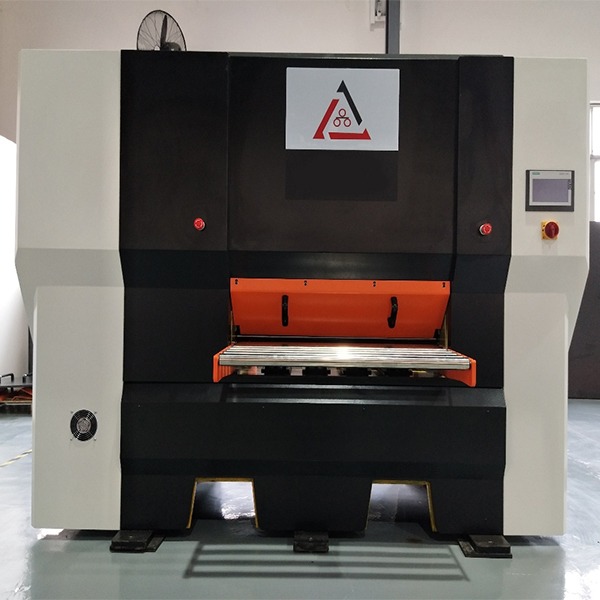
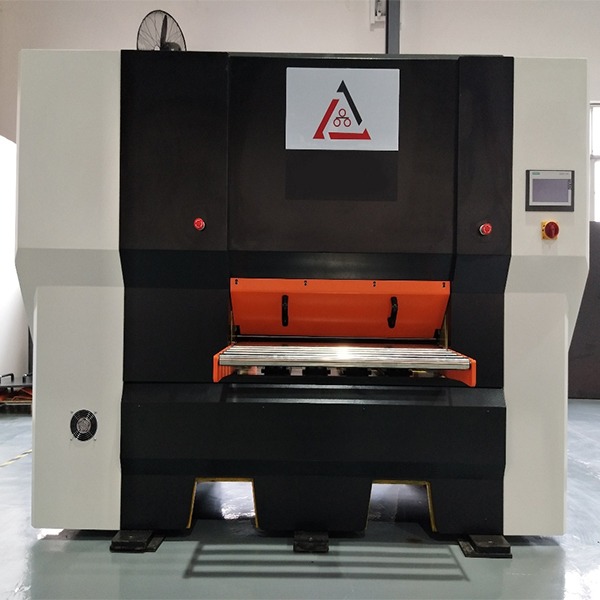
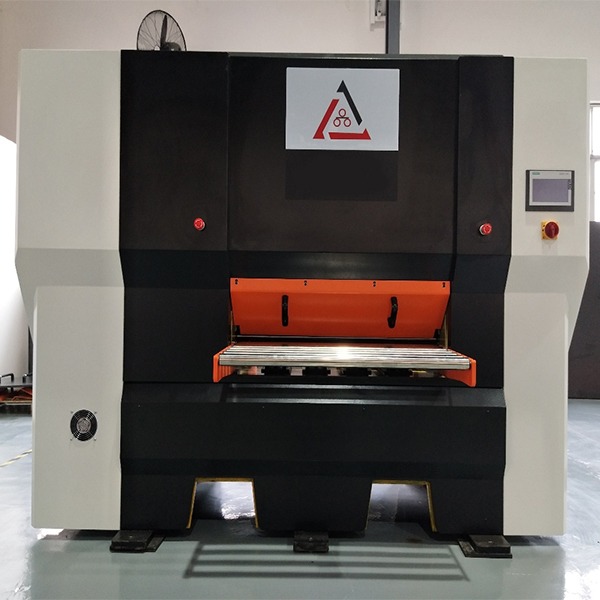
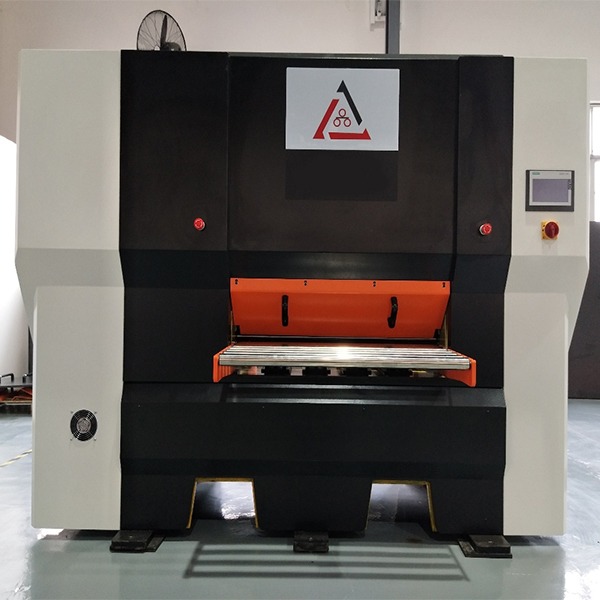
A successful Sheet Metal Flattening result depends on several interconnected factors. The material's properties, including its yield strength, thickness, and temper, directly influence the required leveling intensity. The machine's capabilities are equally crucial; a high-performance Sheet Metal Flattening machine must feature a rigid frame to resist deflection, precision-ground rolls for consistent contact, and sophisticated adjustment mechanisms for fine-tuning the process. The operator's expertise in setting parameters like roll penetration and intermesh distance for the specific material is what separates adequate Sheet Metal Flattening from exceptional Sheet Metal Flattening. Understanding this interplay is key to mastering the process.
The Direct Benefits of Precision Sheet Metal Flattening
Investing in high-quality Sheet Metal Flattening equipment yields a substantial return by enhancing nearly every aspect of production. The most immediate benefit is a dramatic improvement in product quality, with parts that are flat, stable, and free from distortions. This leads to significantly higher efficiency in downstream operations, as flat sheets feed smoothly through laser cutters, press brakes, and automated assembly lines without jams or misfeeds. Furthermore, effective Sheet Metal Flattening reduces material waste and scrap rates, lowering overall production costs. By ensuring a perfect starting canvas, the Sheet Metal Flattening process empowers manufacturers to deliver superior final products that meet the most demanding specifications.
Choosing the Right Equipment for Your Sheet Metal Flattening Needs
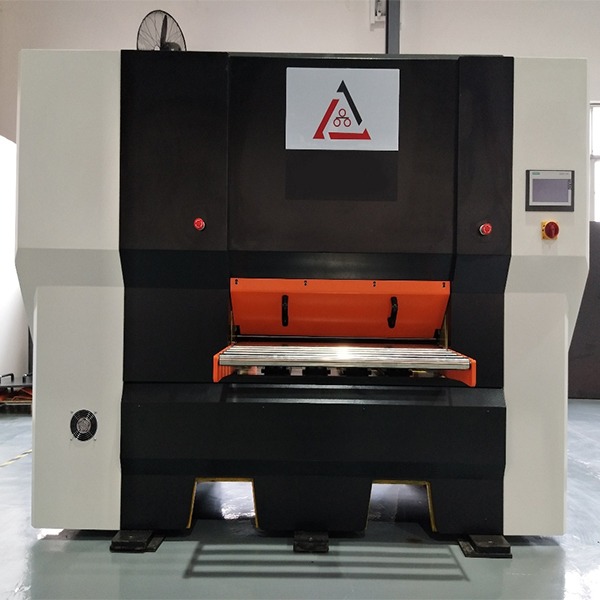
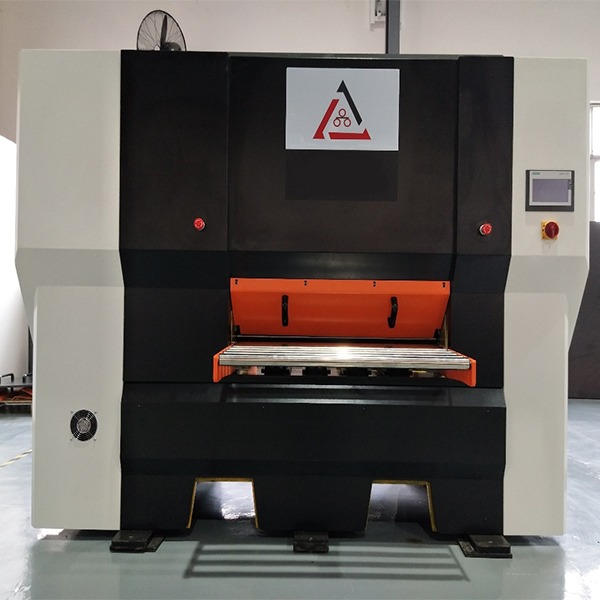
Selecting the appropriate machine is paramount for achieving your Sheet Metal Flattening goals. The choice depends on your specific application requirements, including the type of metals you process, their thickness range, and the required production throughput. For high-volume, consistent materials, a standard roller leveler may suffice. However, for applications demanding extreme precision or handling high-strength materials, a CNC-controlled leveler like those from XINLIJIN is indispensable. These advanced machines offer programmable settings, automated adjustments, and real-time monitoring, ensuring repeatable and flawless Sheet Metal Flattening results batch after batch.
The XINLIJIN Standard in Sheet Metal Flattening Solutions
At XINLIJIN, we engineer our equipment to set the industry benchmark for the Sheet Metal Flattening process. Our roller levelers and precision leveling machines are built with robust construction, advanced control systems, and user-centric design. We understand that reliable Sheet Metal Flattening is the foundation of your manufacturing quality. Therefore, every XINLIJIN machine is crafted to deliver not just flatness, but also durability, ease of use, and seamless integration into automated production lines. Trust XINLIJIN to provide the technological edge you need in your Sheet Metal Flattening operations, turning material challenges into your competitive advantage.
Recent News