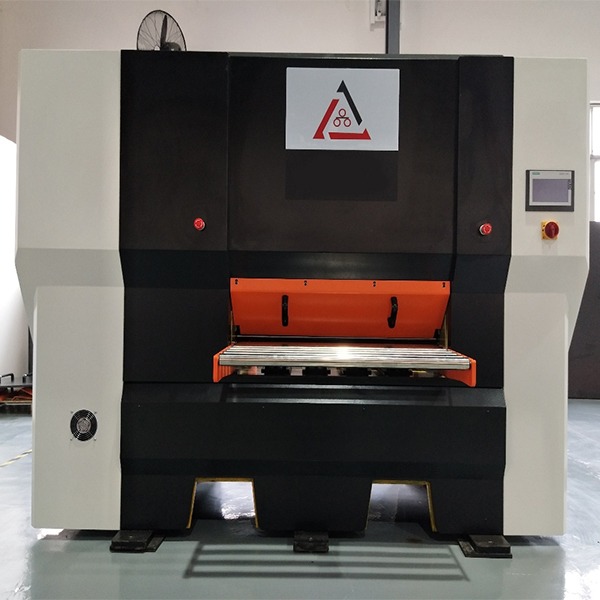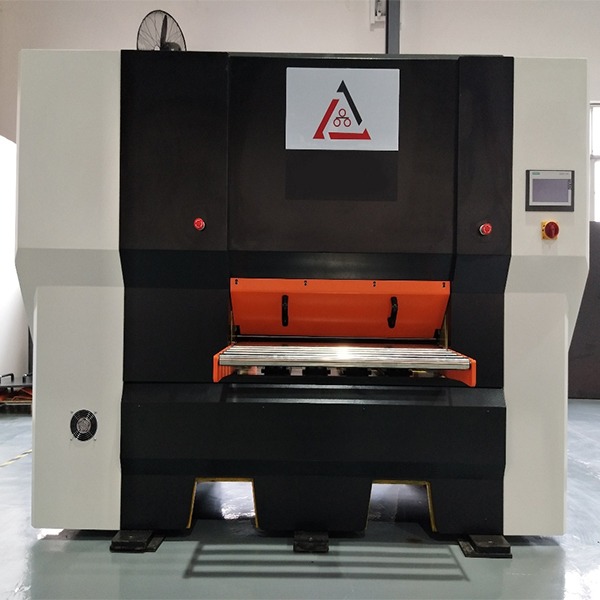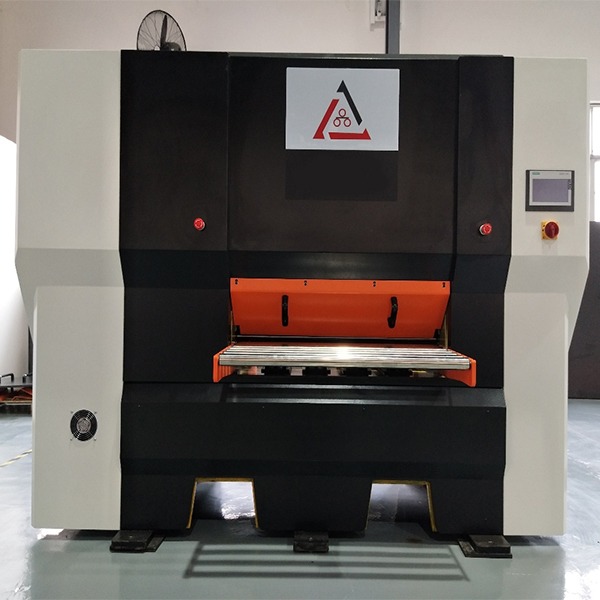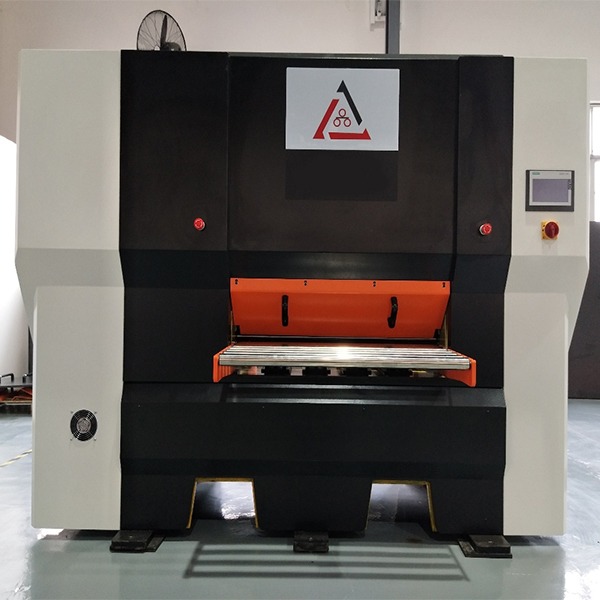

The Comprehensive Guide to Industrial Straightening Machine Technology
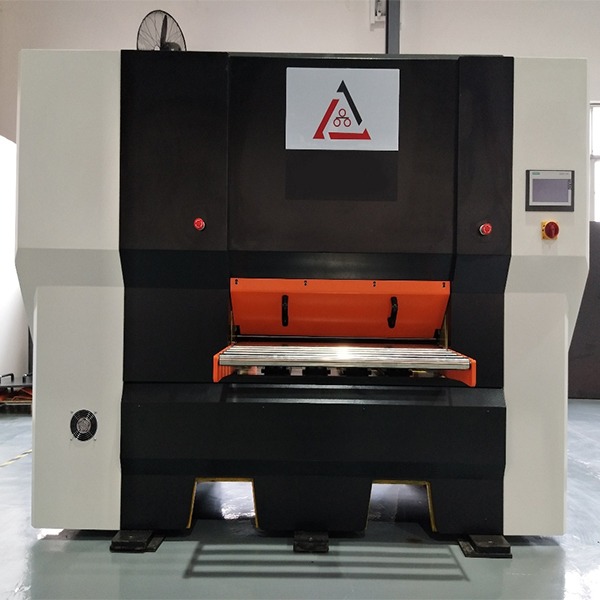
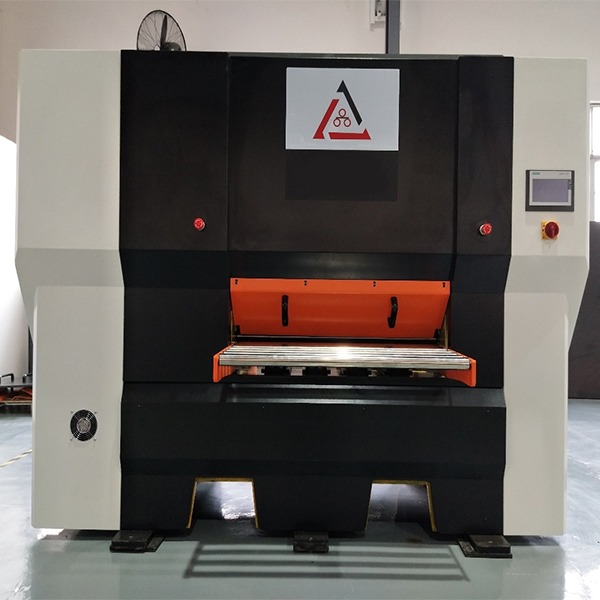
In the realm of metal fabrication and processing, the pursuit of perfection is relentless. Achieving perfectly straight, flat, and stress-free metal is a fundamental requirement, and this is where the indispensable role of a Straightening Machine comes into focus. An industrial-grade Straightening Machine is engineered to correct a variety of material imperfections, from coil set and camber in sheets to bow and twist in bars and profiles. For a specialist manufacturer like XINLIJIN, advancing the technology behind every Straightening Machine is our commitment to enhancing global manufacturing standards. This guide delves into the workings, types, and critical benefits of integrating a advanced Straightening Machine into your production line.
Understanding the Core Function of a Straightening Machine
At its essence, a Straightening Machine is designed to apply controlled mechanical forces to eliminate distortions and internal stresses within metal. The primary goal of any Straightening Machine is to bring the material as close as possible to its ideal geometric form. This is achieved through precise processes that vary depending on the machine type. A roller-based Straightening Machine, for instance, works by passing the material through multiple sets of offset rolls that induce alternating bending stresses. This action effectively stretches the shorter, compressed fibers in the material to match the longer ones, resulting in a flat and straight product. The sophistication of a modern Straightening Machine lies in its ability to perform this correction without damaging the material's surface or mechanical properties.
Different Types of Straightening Machine for Various Applications
The term Straightening Machine encompasses a family of equipment, each tailored for specific materials and forms. Understanding the right type of Straightening Machine for your application is crucial for optimal results.
-
Roller Leveler Straightening Machine: This is the most common type of Straightening Machine used for sheets and plates. It utilizes a series of small-diameter work rolls supported by larger backup rolls to apply the corrective bending across a wide surface area. This Straightening Machine is ideal for achieving full-surface flatness.
-
Bar and Section Straightening Machine: Designed for long products like rods, tubes, and beams, this Straightening Machine typically uses a set of skewed rolls or rotary dies. As the bar rotates and passes through, the rolls apply pressure at specific points to correct straightness deviations along its entire length.
-
Precision Leveler Straightening Machine: Often equipped with CNC controls, this high-precision Straightening Machine is used for demanding applications where superior surface quality and exacting flatness tolerances are required, such as in the automotive or aerospace industries.
Key Benefits of Integrating an Advanced Straightening Machine
Investing in a high-performance Straightening Machine from a reputable brand like XINLIJIN delivers transformative benefits that ripple through your entire operation.
-
Uncompromised Product Quality: A reliable Straightening Machine guarantees that your raw material is perfectly prepared for subsequent manufacturing steps. This leads to fewer defects in stamped parts, better welds, and higher-quality final assemblies.
-
Enhanced Production Efficiency: By ensuring material is flat and straight, a Straightening Machine prevents jams, misfeeds, and misalignments in automated production lines. This minimizes unplanned downtime and maximizes overall equipment effectiveness (OEE).
-
Reduction of Internal Stresses: One of the most critical functions of a Straightening Machine is its ability to neutralize locked-in internal stresses from previous rolling or processing. This prevents finished parts from warping or distorting over time, ensuring long-term dimensional stability.
-
Material Versatility: A well-engineered Straightening Machine can be configured to handle a diverse range of materials, including mild steel, high-strength steel, aluminum, copper, and various alloys, across different thicknesses and profiles.
Essential Features of a Modern Industrial Straightening Machine
When selecting a Straightening Machine, several features are non-negotiable for achieving consistent, high-quality results. Look for a machine with a massively rigid frame construction to withstand leveling forces without flexing. The quality of the work rolls is paramount; they must be made from high-grade materials, hardened, and precision-ground to maintain their integrity. Furthermore, an advanced Straightening Machine should offer independent and micrometric adjustments for the rolls, allowing operators to fine-tune the straightening action for different materials and imperfection types. For the highest level of control, a CNC-equipped Straightening Machine provides repeatable, programmable settings for complex production runs.
The XINLIJIN Advantage in Straightening Machine Solutions
At XINLIJIN, we pride ourselves on designing and manufacturing Straightening Machine units that embody durability, precision, and innovation. Our product range, from robust roller levelers to sophisticated CNC precision levelers, is built to meet the rigorous demands of modern industry. We understand that a Straightening Machine is not just a piece of equipment but a foundational component of your quality assurance system. Therefore, every XINLIJIN Straightening Machine is backed by engineering excellence and a commitment to providing solutions that boost our clients' productivity and competitiveness. To explore how our Straightening Machine technology can elevate your manufacturing process, consult with the XINLIJIN experts today.
Recent News